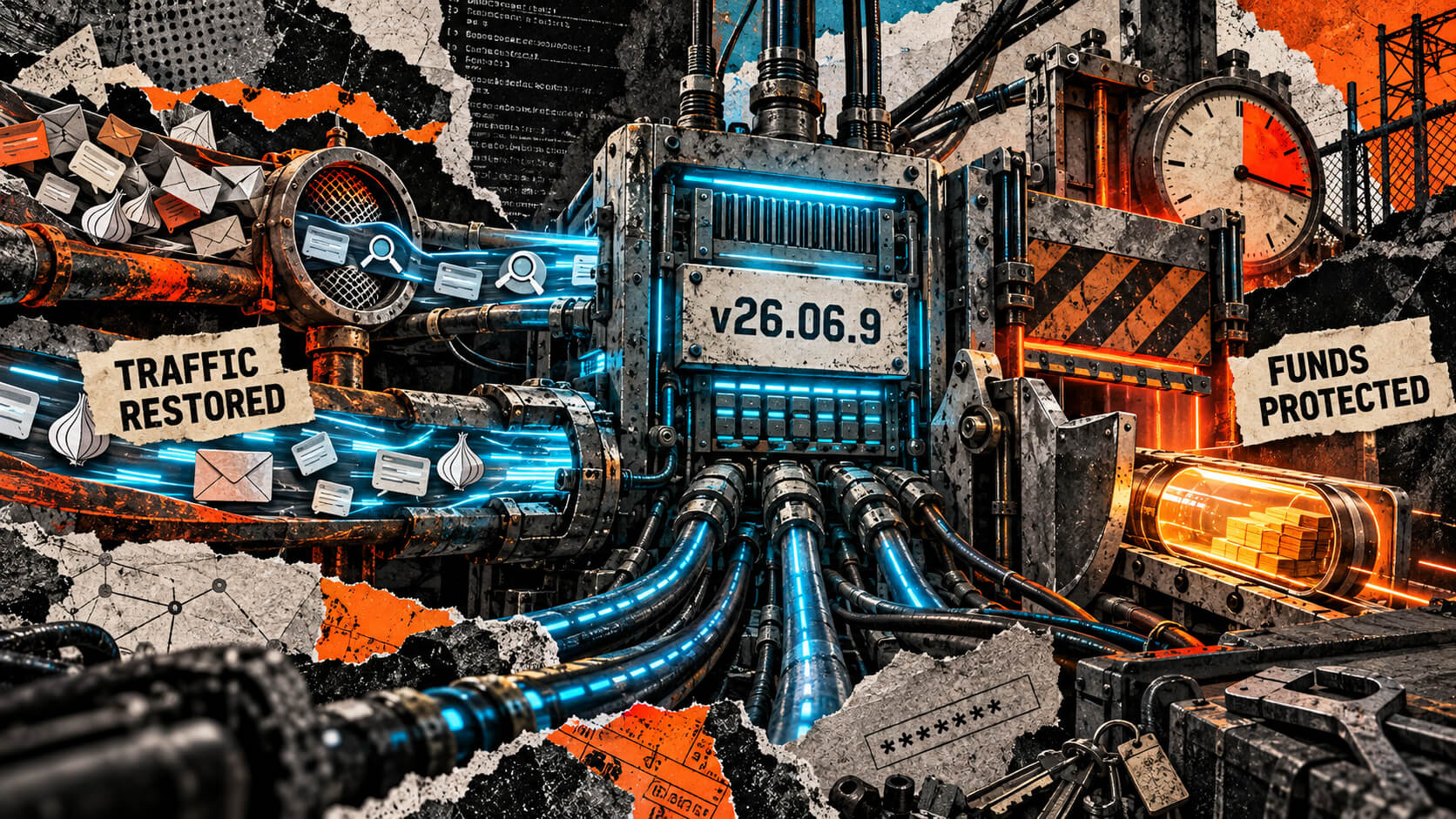
For years, the tension between decentralized finance and institutional banking has been stuck in a stalemate. Banks want the speed and cost-savings of a ledger, but their compliance departments literally cannot function in an environment where a single private key holds the power of life and death over an entire treasury. The XRP Ledger is trying to break that deadlock with a new suite of permission controls designed for the folks wearing suits.
The Multi-Sig Problem vs. Real-World Operations
If you have been building in this space long enough, you know the headache of multi-sig setups. While they are great for security, they are often a nightmare for daily operations. In a traditional bank, the person who approves a KYC check isn't the same person who signs off on a ten-million-dollar wire transfer. In the crypto world, we have historically tried to force these distinct roles into a one-size-fits-all wallet structure.
Ripple is introducing a way to separate these powers. The core idea is simple: let businesses give specific accounts limited authority—like white-listing a customer or moving small amounts of liquidity—without giving those accounts access to the master keys. It is basically the digital equivalent of giving a store manager the keys to the front door but keeping the combination to the main vault in the corporate office.
Why Builders Should Care
If you are building a stablecoin or a tokenized fund, your biggest hurdle isn't the code; it is the regulatory overhead. You need to be able to freeze assets if a hack occurs, or restrict who can hold your token based on geographic laws. Doing this on-chain has traditionally been clunky or required centralized backdoors that make users nervous.
By baking these controls into the ledger layer, Ripple is making a play to be the default infrastructure for Real World Assets (RWAs). For founders, this means less time spent building custom compliance modules and more time focusing on the actual utility of the asset. If the ledger handles the permissions, you can spend your engineering budget elsewhere.
The Offline Key Strategy
One of the most interesting aspects of this update is how it handles cold storage. Most institutions keep their primary holdings in deep cold storage—offline, disconnected, and hard to access. The problem is that many on-chain actions require the master key to sign off. This creates a friction point where a bank has to choose between being secure or being fast.
The new XRPL features allow the main treasury keys to stay offline while delegated accounts handle the day-to-day administrative tasks. This is a pragmatic shift. It acknowledges that "be your own bank" is a terrifying concept for actual banks. They want to be their own bank, but they want to do it with the same tiered permissions they have used for the last fifty years.
A Dose of Skepticism
Now, let's be honest. This doesn't magically make the XRP Ledger the winner of the RWA race. Ethereum and its Layer 2 ecosystem are still the heavyweights when it comes to developer mindshare. Ripple’s approach is very top-down. They are building tools specifically for the gatekeepers. While this is great for institutional adoption, it moves further away from the original ethos of permissionless innovation.
We also have to consider the "walled garden" effect. When you build on these specific permission sets, you are tying your project’s fate to the long-term viability of the XRPL. If you are a founder, you have to ask yourself if you want to be in the Ripple ecosystem or the broader EVM world where tools are more fragmented but arguably more flexible.
The Institutional Reality Check
Banks are not going to move trillions of dollars onto a public ledger just because a new permissioning feature exists. They move slowly. They wait for legal precedents. They wait for their competitors to go first. However, by removing the technical excuse—the lack of granular control—Ripple is forcing the conversation toward the regulatory side.
We are seeing a trend where every major L1 is trying to court the "tokenization of everything" trend. From BlackRock on Ethereum to Franklin Templeton on Stellar and Polygon, the race is on. Ripple’s advantage here is that they have been talking to these institutions for a decade. They know exactly which checkboxes a compliance officer needs to tick.
What This Means for the Future of Stablecoins
Stablecoins are the lifeblood of the current crypto economy, but the next generation of stablecoins won't just be for retail traders. They will be for interbank settlements and corporate supply chains. In those use cases, you cannot have a "oops, I lost the key" moment. You need redundant, tiered, and revocable permissions.
If you are a developer looking at the stablecoin space, the ability to delegate specific tasks—like minting or burning—without compromising the entire treasury is a massive security upgrade. It reduces the attack surface for internal bad actors and external hackers alike.
The Founder's Takeaway
If you are building in the RWA or institutional space, this update is worth a look, even if you aren't a Ripple fan. It represents a shift in how we think about on-chain governance. We are moving away from the "one key to rule them all" era and into an era of functional delegation.
The takeaway for builders is clear: Don't just build for the degens. If you want the big money to move into your ecosystem, you have to build the guardrails that make them feel safe. Ripple just laid down a new set of tracks, and while they aren't the only ones in the game, they are making it much harder for banks to say "no" based on technical limitations.
Keep an eye on how these controls are actually implemented in the wild. The theory is great, but the execution—especially when it comes to the user interface for these banks—will determine if this actually moves the needle or just becomes another unused feature in a github repo.
- Institutions need granular control to meet compliance standards.
- Delegated authority allows main treasury keys to stay safely offline.
- The XRPL is positioning itself as the specialized chain for regulated assets.
- Founders should weigh the benefits of built-in compliance against the trade-offs of a more centralized ecosystem.
Read the original at CoinDesk →