The Identity Crisis of Modern Banking
For a long time, the crypto industry has been defined by a binary choice. You could either play in the sandbox of traditional finance, dealing with legacy banks that look at your ledger with suspicion, or you could go full rogue into self-custody. One offered security and legal protection but hated your assets; the other offered freedom but placed the entire weight of security on your shoulders. Xapo Bank is trying to occupy the middle ground, and as someone who spends most of his time thinking about how we actually build a sustainable ecosystem, I find their approach both necessary and frustratingly niche.
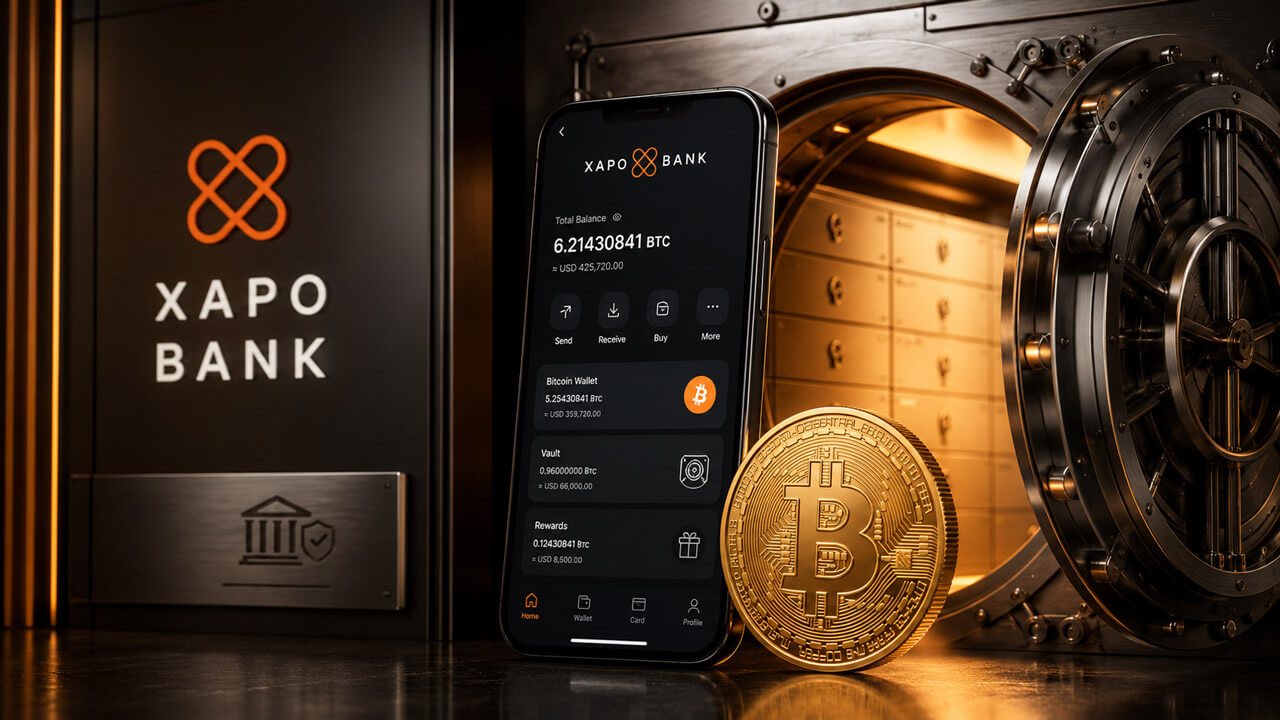
Xapo isn't some new-age fintech startup that popped up during the last bull run. They started as a vault service—literally keeping physical servers in decommissioned Swiss military bunkers. That DNA matters. It tells you their priority isn't high-frequency trading or flashy UI; it's about not losing the money. Now that they have shifted into a fully licensed bank based in Gibraltar, they are trying to answer the question: Can you treat Bitcoin like a tier-one reserve asset while still being able to buy a coffee with a debit card?
The Value Proposition for Builders
If you are building in this space, you know the "off-ramp" problem is the single biggest headache. You can have the most decentralized protocol in the world, but if your team can't pay their rent because a legacy bank froze their account for receiving a wire from an exchange, the project dies. Xapo's primary hook is that they are a regulated bank that doesn't just tolerate Bitcoin; they use it as their foundation.
They offer a USD bank account that integrates directly with a Bitcoin wallet. For a founder, this means you can hold your capital in BTC but transact in USD. They use a 1:1 ratio for their Bitcoin custody, which is a claim that carries more weight when you are a regulated bank subject to actual audits, rather than a Caribbean-based exchange operating in a legal gray area. For the builders looking for a place to park operational funds without the constant fear of a sudden de-banking event, this is a compelling argument.
Security vs. Velocity
The biggest friction point for heavy crypto users is going to be Xapo's security philosophy. They utilize Multi-Party Computation (MPC) to secure assets, but the real talking point is their Vault. If you want to move your BTC out of the cold storage vault and into your spendable account, there is a mandatory 48-hour delay. In a world of instant swaps and lightning-fast DeFi, this feels like an eternity.
From a founder's perspective, I actually appreciate this. We have seen too many stories of SIM swaps and stolen private keys wiping out years of work in seconds. The 48-hour delay is a feature, not a bug, for people who are managing significant wealth rather than gambling on the latest memecoin. It forces a level of intentionality that the current "move fast and break things" meta lacks. However, if you are a builder who needs to move capital quickly to cover a margin call or an emergency liquidity event, this platform will fail you. It is a fortress, not a gateway.
The Cost of Entry
Xapo is very clear about who they want as a customer, and it isn't the retail user trying to buy $50 worth of Satoshis. They have an annual membership fee that sits around $150. In a market where every exchange is fighting for zero-fee trades, charging for the privilege of banking is a bold move. It signals that they aren't selling you as the product; they are selling a service.
What this means for the global founder
- Regulatory Clarity: Operating under Gibraltar's jurisdiction provides a level of protection that many US-based users are currently losing as domestic regulations tighten.
- USD Integration: Having a real IBAN and the ability to send and receive USD via traditional rails while sitting on a BTC base is a massive efficiency gain.
- Custody Peace of Mind: The 48-hour delay and MPC tech are designed for those with more to lose than they have to gain from speed.
The Skeptics Corner
Here is where I get a bit cynical. While the bridge between BTC and USD is great, Xapo is still a centralized entity. You are trusting their auditors, their jurisdiction, and their tech stack. For the hardcore "not your keys" crowd, Xapo is just another pretty cage. Furthermore, their support for other assets is limited. This is a Bitcoin and USD shop. If your project involves a diverse treasury of various altcoins or complex on-chain assets, Xapo isn't going to be your primary dashboard.
There is also the matter of the global reach. While they market themselves to a global audience, the reality of international banking means their "global" footprint often has caveats depending on where your entity is actually registered. For founders in emerging markets, Xapo is a godsend, but the onboarding process is rigorous. They are a bank first, which means KYC is not a suggestion—it is a wall.
The Reality Check
Xapo is building for the person who has already won the game or the founder who is tired of fighting with Chase or HSBC. It's for the person who wants Bitcoin's upside but needs a Visa card to function in the real world. They aren't trying to be the next Binance; they are trying to be the Coutts of the crypto world.
For builders, the takeaway is simple: as the industry matures, we are seeing a split. One side is going deeper into the decentralized abyss—permissionless, risky, and fast. The other side is professionalizing—regulated, slower, and stable. Xapo is the flag-bearer for the latter. If you value your sleep more than your trade velocity, it’s worth a look. If you are still in the trenches of day-to-day on-chain activity, you will find it too restrictive.
The future of crypto banking isn't just about making things faster; it's about making them survivable.
We need more institutions that treat Bitcoin with the respect of a reserve asset while maintaining the boring, necessary guardrails of traditional banking. Xapo isn't perfect, and the fees will annoy the frugal, but it represents a maturation of the space that we desperately need if we want the next billion dollars of institutional capital to feel safe coming in.
Read the original at CryptoSlate →