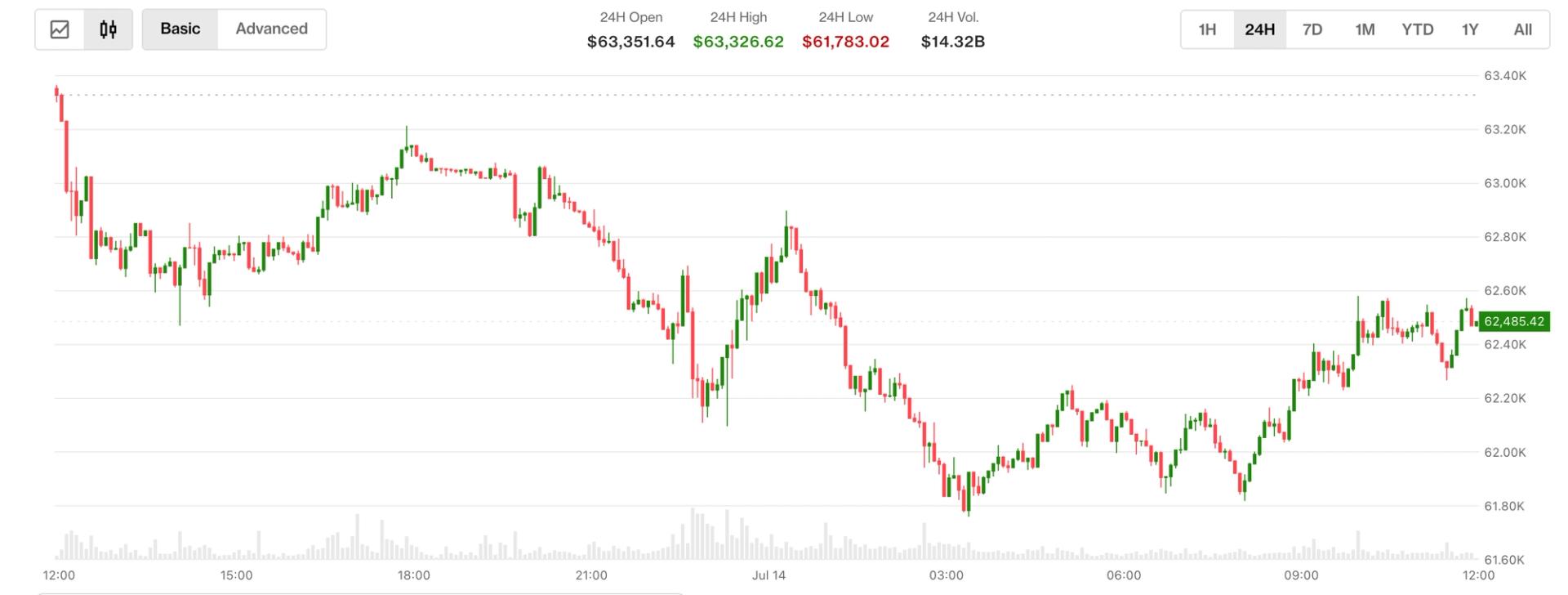
The United States government is moving money again, and the timing couldn't be more awkward for the political narrative. On-chain data recently flagged a transfer of roughly 297 million dollars in seized Bitcoin and Ether from an administrative wallet to Coinbase Prime. For anyone building in this space, these movements are a recurring headache that reminds us how much control the state still exerts over the market's psychological health.
The Mechanics of a Government Transfer
When the Department of Justice or the Marshals Service decides to mobilize assets, they don't just dump them on a retail exchange. They use institutional desks like Coinbase Prime to manage the liquidity. While a transfer to an exchange wallet is often seen as a precursor to a sell-off, it isn't always a guarantee of an immediate dump. Sometimes it is about custody management or preparing for a structured liquidation that happens over weeks.
However, the optics here are the real story. We are talking about nearly 300 million dollars in assets that were originally seized from criminal enterprises, including historical cases like the Silk Road or more recent hacks. For the developers and founders trying to build stable protocols, these sudden movements represent a massive, centralized 'sell' button held by an entity that doesn't care about your floor price.
The Strategic Reserve Conflict
This move happens in the shadow of Donald Trump's recent public pledges at Bitcoin 2024. During his campaign stops, Trump promised that if he took office, the United States would stop selling its seized Bitcoin and instead transition it into a strategic national reserve. He framed it as a way to ensure the U.S. remains the crypto capital of the world.
The current administration, however, is not bound by those campaign promises. By moving these assets now, the current executive branch is essentially clearing the books. For a builder, this creates a bizarre period of regulatory and fiscal uncertainty. Do you build around the assumption of a government-backed reserve, or do you prepare for a government that views crypto solely as a confiscated asset to be liquidated for the general fund?
Why Coinbase Prime?
The choice of Coinbase Prime is notable. As the primary custodian for many of the leading spot Bitcoin ETFs, Coinbase has become the de facto plumbing for the U.S. financial system's entry into crypto. When the government uses this infrastructure, it validates the platform but also puts Coinbase in a weird spot. They are the gateway for both the institutional adoption we want and the government liquidations we fear.
For those of us in the trenches, it’s a reminder that the 'decentralized' dream often runs through very centralized bottlenecks. If the government moves three hundred million in assets, they aren't using a DEX. They are using the same tools as billionaire hedge fund managers. This creates a feedback loop where the largest player in the room is also the one with the least incentive to see long-term price appreciation.
What This Means for Founders
If you are running a startup or managing a treasury, these headlines are noise, but they are loud noise. Large government transfers usually lead to short-term volatility. The market sees a transfer and expects a price drop, so traders front-run the expected sale. This makes the cost of capital more expensive and makes it harder to pitch stability to traditional investors.
The real takeaway for builders is the realization that the 'Strategic Reserve' is currently just a talking point. Until there is actual legislation or a signed executive order, the government is just another whale with a finger on the trigger. You cannot build a five-year roadmap based on a political candidate's speech. You have to build for a reality where the U.S. government is actively offloading its holdings.
The Ether Narrative
Interestingly, this transfer included a significant portion of Ether. Historically, the U.S. government has been much more aggressive about liquidating Bitcoin, as that's what they've held the longest. Seeing large sums of Ether move suggests a broader cleaning of the digital evidence locker. For the Ethereum ecosystem, which is already struggling with a narrative crisis compared to Bitcoin's 'digital gold' status, this added sell pressure isn't helpful.
It highlights the vulnerability of the entire asset class to administrative decisions. When a legacy institution moves 300 million dollars in gold, the world barely notices because the market is massive. When it happens in crypto, it’s a front-page story because the liquidity is still relatively thin. We are building on a foundation that can be shaken by a single clerk at the Department of Justice hitting a 'send' button.
The Long-Term Outlook
I’ve seen these transfers dozens of times over the last decade. Every time, the community panics, the price dips, and then the market absorbs the supply. The builders who survive are the ones who stop checking the price every time a whale wallet wakes up. The U.S. government will eventually run out of seized coins to sell, or they will decide to hold them. Either way, the underlying technology doesn't change.
The danger is getting caught up in the hype of a 'national reserve' before it exists. We should treat the government as a motivated seller until they prove otherwise. Don't let the political theater distract you from shipping product. The government might have millions in seized assets, but they don't have the builders. That's the one thing they can't seize or liquidate.
Keep your eyes on the code, not the government's wallet. The market can absorb 300 million dollars; what it can't absorb is a lack of actual utility.
We are in a transition phase where crypto is becoming a geopolitical tool. This transfer is just a symptom of that transition. Whether it's a sale or just a move for custody, it proves that the government finally realizes what these assets are worth. Now it's our job to make them worth even more by building things people actually use, regardless of who holds the private keys to the seized funds.
Read the original at Cointelegraph →