I have spent a lot of time talking to founders who are obsessed with scale. In the world of Bitcoin mining, scale usually means massive warehouses in Texas or Iceland, filled with thousands of whirring machines and cooling systems that cost more than most small-town budgets. But every once in a while, the math breaks in favor of the little guy, and it reminds us why this system was built in the first place.
The Lightning Strike in the Mempool
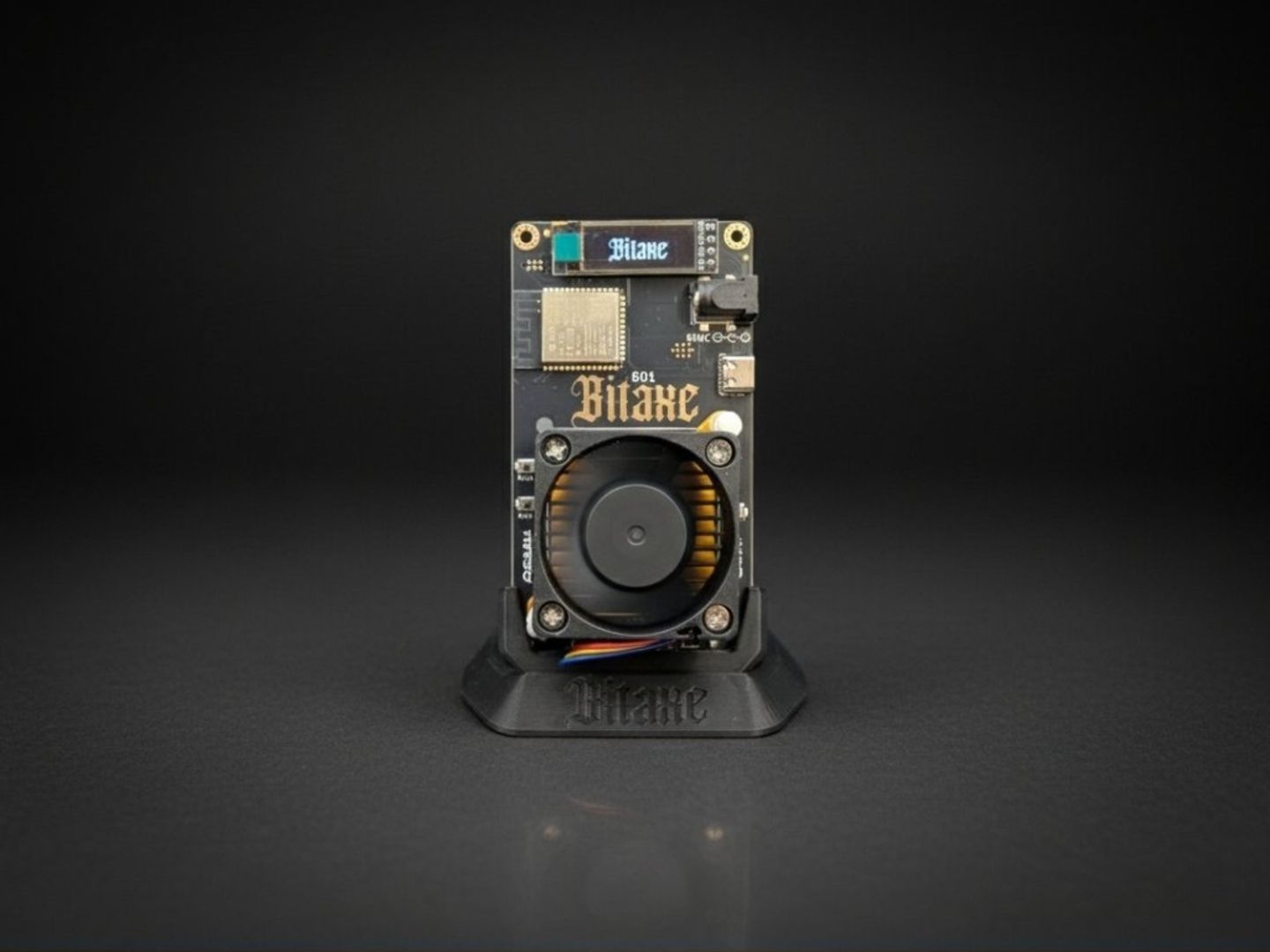
Recently, a solo miner running a setup that probably cost less than a decent pair of noise-canceling headphones managed to beat the odds. They successfully mined a Bitcoin block independently, securing a reward worth roughly $200,000. It is the crypto equivalent of finding a winning lottery ticket on the sidewalk, except the sidewalk is a global network of hyper-competitive computational power.
This is not just a feel-good story for the weekend. It is a statistical anomaly that is becoming slightly less anomalous. Over the last year, solo miners have successfully processed about 24 blocks. That is a 41% jump compared to the previous twelve months. Even as the network hash rate climbs and the big mining pools tighten their grip on the supply, individual actors are finding ways to slip through the cracks.
The Geometry of Luck
When you are mining solo with a single piece of hardware, you are essentially guessing a number. The massive pools like Foundry or AntPool are guessing billions of times more often than you are. In a perfectly efficient world, a solo miner with a $150 rig should never win. Mathematically, it might take that single machine hundreds of years to find a valid hash.
But Bitcoin does not care about your feelings or your corporate infrastructure. Each block is a fresh start. While the probability is microscopic, it is never zero. For builders, this is a lesson in the difference between probability and possibility. Most of us are building for the 99% probability, but the decentralized nature of the protocol ensures the 1% possibility remains protected.
The Hardware Paradox
What fascinates me most about this specific win is the price of entry. We are looking at a $150 piece of equipment. In an era where AI startups are burning through million-dollar H100 clusters just to train a chatbot to summarize emails, Bitcoin mining remains one of the few places where a cheap, specialized chip can still strike gold.
This tells us something important about the resilience of the hardware layer. We often hear that Bitcoin has become too centralized among the big pools. While that is true for the daily flow of rewards, the entry point for participation is still remarkably low. You do not need a venture capital round to join the network. You just need a connection and a bit of luck.
Why the Increase Matters
A 41% year-over-year increase in solo blocks found is not a coincidence. It is likely a combination of better software for solo mining and a slight shift in how people view the risk-reward profile of mining. If you join a pool, you get small, consistent payouts. It is like a salary. Solo mining is purely entrepreneurial; it is all or nothing.
- Individual sovereignty: Solo mining is the purest expression of the Bitcoin whitepaper.
- Network Health: Every independent node and miner adds a layer of resistance against censorship.
- Capital Efficiency: For some, the $150 entry fee is worth the "infinite" upside, even if the expected value is technically negative.
From a founder's perspective, this should change how you think about decentralization. If a single person with a cheap tool can still impact a multi-trillion dollar network, the system is working. It means the "barriers to entry" we complain about in traditional finance are actually being dismantled here, even if the path is difficult.
The Skeptic's Corner
I have to be honest: do not go out and spend your rent money on a solo mining rig. For every one person who hits a $200,000 block, there are hundreds of thousands of people burning electricity for zero return. This is not a business plan; it is a hobby with a massive ceiling. The 24 blocks found by solo miners in the last year represent a tiny fraction of the total blocks produced. You are still betting against the house, and the house has a lot more chips than you do.
The real value here is the proof of concept. It proves that the network is not yet fully captured by the giants. It proves that a lone actor can still participate without asking for permission from a pool operator or a centralized entity.
Building for the Long Tail
For those of us building in this space, we should be looking at the "long tail" of Bitcoin users. These are the people who are not looking for a 5% yield or a stable corporate job. They are the ones testing the limits of the protocol. If your product or service only works for the top 1% of institutional miners, you are missing the spirit of the technology.
We need more tools that make solo participation easier. Not because everyone will win, but because the option to win is what keeps the decentralization narrative honest. If only the big players can participate, we have just rebuilt the banking system with faster settlement times. That is not why we are here.
Takeaway for Builders
The lesson isn't that you should become a solo miner. The lesson is that decentralized protocols provide opportunities that traditional systems actively block. In a legacy financial system, a $150 investment doesn't get you a seat at the table with the big banks. In Bitcoin, it gives you a non-zero chance to beat them at their own game.
Build things that empower the individual. Even in a world dominated by giants, the math still allows for the occasional David to take down Goliath. That is the only reason this industry is worth our time.
Read the original at CoinDesk →