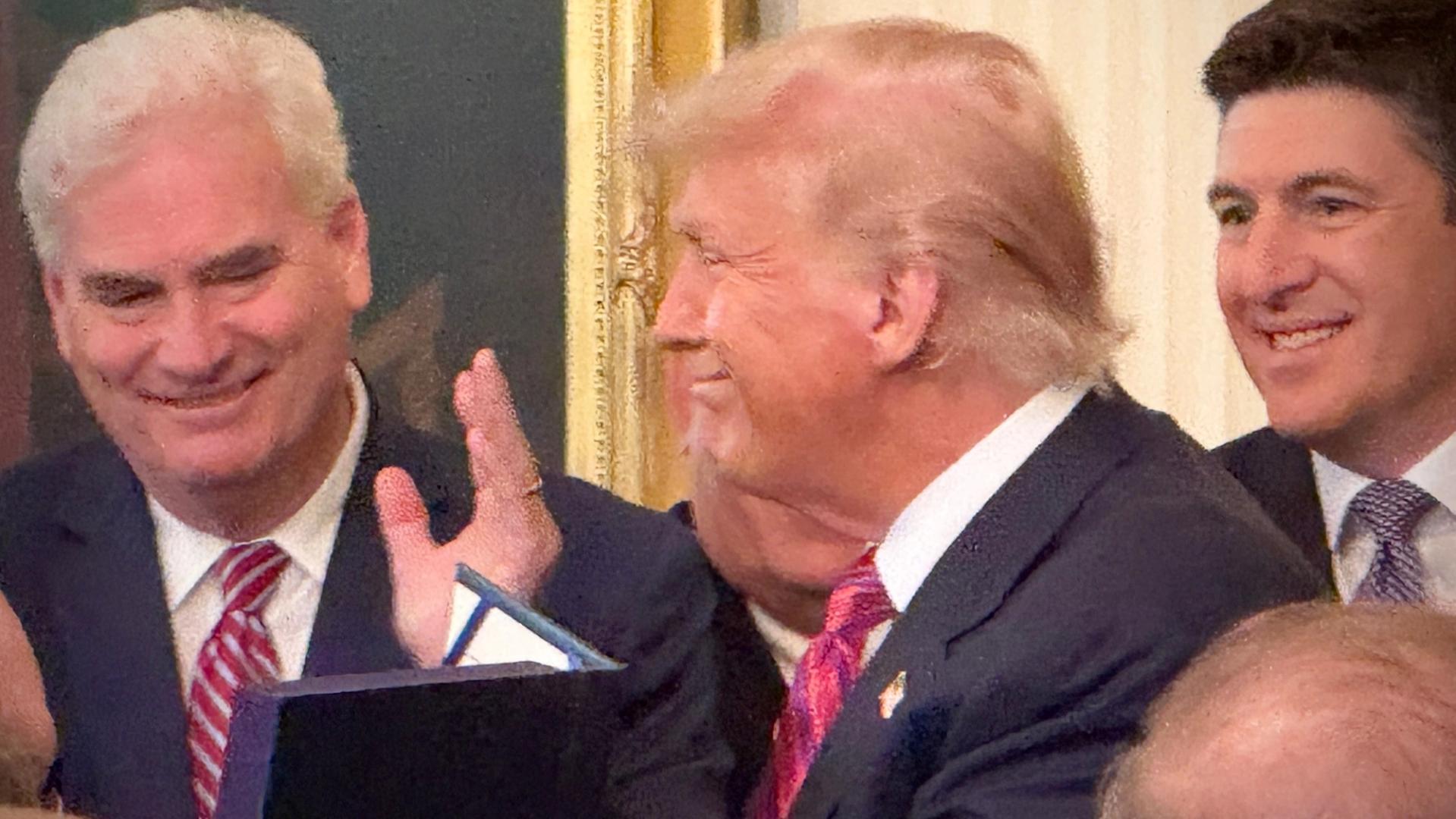
We have spent years asking for regulatory clarity. Now that we are finally sitting at the table to hammer out the details of the Clarity Act, the conversation has shifted. It is no longer just about defining commodities versus securities or setting reserve requirements for stablecoins. It is about a specific individual's portfolio.
Donald Trump has become the poster child for the conflict of interest debate in Washington. As he negotiates the future of the crypto market structure bill, his own reported holdings are looming over every meeting. For those of us building in this space, this is a double-edged sword. On one hand, having a pro-crypto executive is a relief. On the other, the optics are creating a legislative deadlock that might actually delay the progress we need.
The Multi-Million Dollar Conflict
The core of the current friction centers on the ethics provision within the Clarity Act. Democratic lawmakers are pushing for strict bans that would prevent high-ranking U.S. officials from holding or trading digital assets that could be influenced by their policy decisions. It sounds like standard government transparency, but in the context of the current administration, it is a direct shot at the President.
Trump isn't just a casual observer of crypto anymore. Between his NFT collections, his reported Ethereum holdings, and his family's involvement in World Liberty Financial, his personal net worth is tied to the health of the very market he is trying to deregulate. To the skeptical observer, every pro-crypto executive order looks less like a move for innovation and more like a move for the bottom line of the Trump Organization.
Why Builders Should Care About Ethics Clauses
You might think that political bickering over ethics doesn't affect your codebase or your go-to-market strategy. You would be wrong. When legislation gets bogged down in personal politics, the "clarity" we are looking for gets replaced by vague compromises.
If the Clarity Act passes with a watered-down ethics provision, the entire regulatory framework could be branded as "captured" by the next administration. We don't want a legal framework that only lasts four years. Founders need rules that survive political cycles. If the foundation of this bill is perceived as a handout to the people writing it, the pendulum will eventually swing back, and the subsequent crackdown will be twice as hard.
The Transparency Trap
The irony here is that crypto was built for transparency. The blockchain is a public ledger. We know exactly what is in these wallets. In a traditional financial setting, a politician might hide behind a complex web of offshore accounts or blind trusts. In crypto, the scrutiny is real-time and unavoidable.
However, transparency doesn't solve the conflict of interest; it only highlights it. The current debate in the House and Senate is focused on whether a "blind trust" is even possible for digital assets. If the President’s assets are staked or tied up in governance tokens for a specific protocol, his policy decisions could directly affect his voting power or yield. That is a hard pill for the opposition to swallow, and frankly, it should give founders pause too.
The Founder's Perspective
From where I sit, we are seeing the professionalization of the industry meet the messiness of legacy politics. As a founder, you want the government to stay out of your way, but you also want a fair playing field. If the rules are written to favor a specific group of insiders, it hurts the permissionless nature of what we are building.
- Regulatory risk isn't just about bans: It is also about the legitimacy of the laws themselves.
- Personal bags matter: When leaders have skin in the game, every move they make is viewed through a lens of suspicion.
- Long-term stability: We need a bill that provides a 10-year runway, not a temporary reprieve that gets litigated in the next election cycle.
What Happens Next?
Democrats are likely to hold the line on these ethics provisions. They know that this is one of the few pieces of leverage they have. By framing the Clarity Act as a potential vehicle for presidential enrichment, they can delay the vote or force concessions that might limit the bill's overall effectiveness.
Republicans, meanwhile, argue that these requirements are a targeted attack designed to stifle the growth of the industry. They see it as a double standard, pointing out that many members of Congress have historically traded stocks in industries they oversee. While they aren't wrong about the hypocrisy, two wrongs don't make a right for an industry trying to prove its maturity.
Takeaway for the Weekend
Don't be distracted by the headlines about the President's wealth. The real story is the legislative friction it creates. We are closer to regulatory clarity than we have ever been, but the final hurdle isn't technical or economic—it's personal. For builders, the best move remains the same: focus on utility and decentralization. The more your project relies on a specific political outcome, the more vulnerable you are to the theater currently unfolding in D.C.
We wanted crypto to be a mainstream political issue. Now it is. We just have to hope the industry doesn't become collateral damage in the process.
Read the original at CoinDesk →