The Private Market Paradox
For years, the dream of the retail investor has been to get a piece of the high-growth companies that stay private longer than they used to. SpaceX is the poster child for this. It is a company that has redefined aerospace and telecommunications while remaining entirely outside the grasp of the public stock market. Naturally, the crypto industry saw an opportunity here. If you cannot buy the stock on Robinhood, why not buy a tokenized representative of that stock on a decentralized exchange?
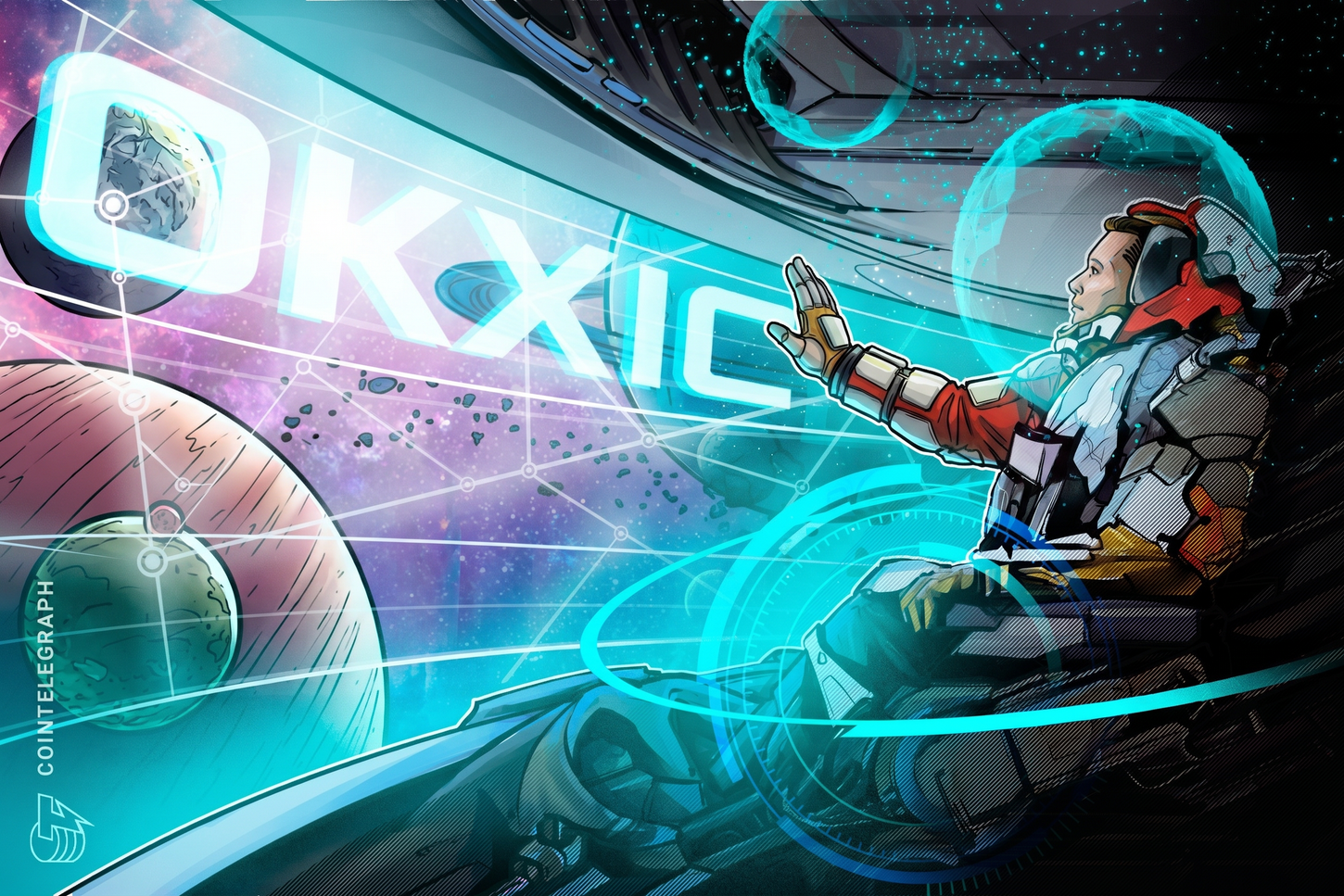
This week, that dream hit a very corporate wall. SpaceX has officially blocked the listing of its tokenized shares on OKXICE, the digital asset arm of a major global exchange. This follows a trend of other large issuers objecting to these synthetic or derivative products. It is a classic clash between the permissionless ethos of crypto and the tightly controlled compliance reality of multi-billion dollar private enterprises.
The Illusion of Accessibility
From a founder's perspective, I understand why platforms like OKXICE want to do this. They are trying to solve a liquidity problem. Right now, if you own SpaceX shares because you were an early employee or a venture capitalist, selling those shares is a nightmare. You usually need company approval, you have to deal with right-of-first-refusal clauses, and the legal fees alone can eat a chunk of your profit.
Tokenization promises to abstract all that away. The idea is simple: a third party holds the actual shares in a trust or a special purpose vehicle, then issues tokens that track the price of those shares. It looks like a win-win. Investors get exposure, and shareholders get an exit. But for a company like SpaceX, this is a nightmare. They do not want their cap table distributed across thousands of anonymous wallet addresses, even if it is happening through a synthetic layer.
Why Issuers Are Fighting Back
Elon Musk’s rocket company is not the only one throwing up red flags. We are seeing a broader pushback from private issuers who realize that these tokenized listings can mess with their valuation and their regulatory standing. When a crypto exchange lists a "tokenized stock," they are often doing so without a direct partnership with the company itself. They are using offshore structures to bypass the traditional gatekeepers.
For builders in the Real World Asset (RWA) space, this is a massive lesson. You can build the most elegant smart contract in the world, but if the underlying asset is a private security, the legal gravity of the situation will eventually pull you back down. SpaceX has enough legal firepower to make life very difficult for any exchange that tries to trade their brand without a license. They want to control who their owners are, and more importantly, they want to control the narrative around their internal valuation.
The Technical vs. Legal Reality
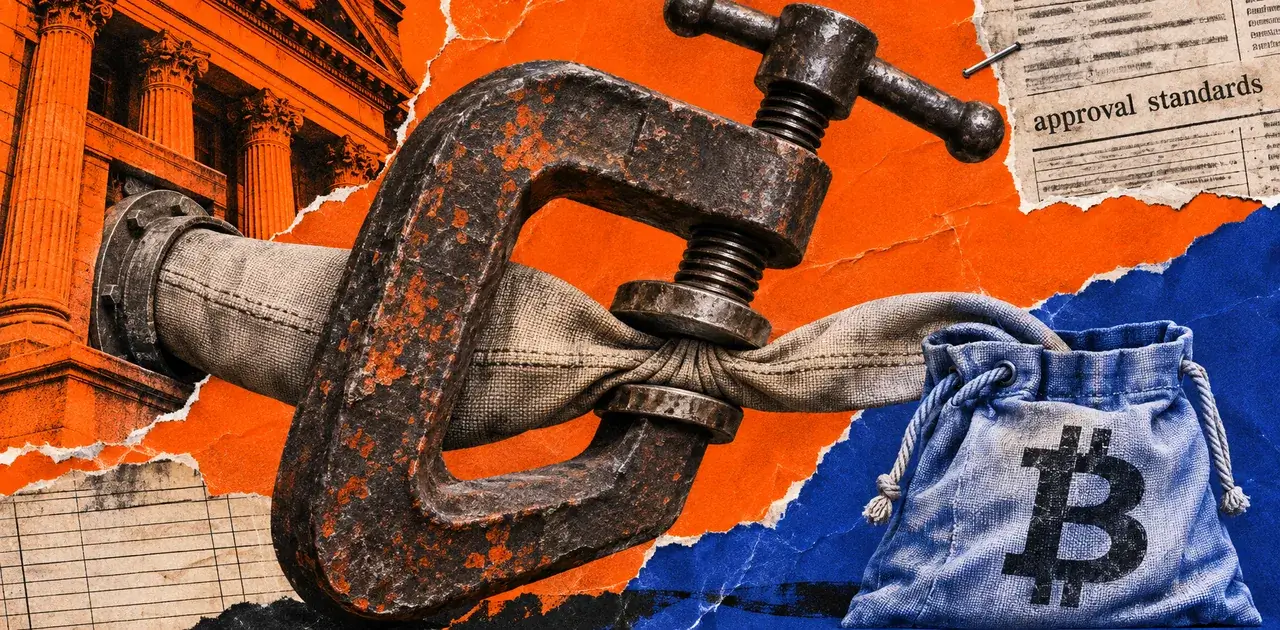
The friction here is not technical. We have the tech to tokenize anything. The friction is entirely legal and relational. When a company stays private, they are making a choice to avoid the scrutiny and volatility of public markets. By creating a liquid tokenized secondary market, crypto platforms are effectively forcing these companies into a "public" status without their consent. It creates a grey market that can lead to price discrepancies and regulatory headaches with the SEC or international equivalents.
As someone who tracks AI and crypto integration, I see a similar pattern emerging. We want to democratize access to high-value models and data, but the people who own those models—the OpenAIs of the world—are building moats. The moats are not just code; they are legal contracts. You cannot just wrap a proprietary asset in a token and expect the owner to be okay with it.
What This Means for RWA Builders
If you are building in the RWA or tokenization sector, you have to stop thinking about "permissionless" as a universal virtue. When it comes to real-world assets, permission is often the only thing that matters. The SpaceX situation shows that the "ask for forgiveness, not permission" strategy has reached its limit with high-value private equity.
- Respect the Cap Table: You cannot ignore the original issuer's rights. If the company has a right to block transfers, your tokenized version is inherently fragile.
- Transparency is Key: Many of these tokenized offerings are opaque about how the underlying shares are actually held. This creates systemic risk for the buyers.
- Regulatory Arbitrage is Fading: Using offshore exchanges to trade tokens of U.S.-based companies is a strategy with a very short shelf life.
The Long Road to Liquidity
We are still in the early, messy phase of bringing the world's assets on-chain. The SpaceX blockade is a setback, but it is also a necessary correction. It forces the industry to move away from these synthetic workarounds and toward actual partnerships with issuers. True decentralization will likely happen first in assets that don't have a single corporate master—like commodities or truly public equities.
For now, the message from Hawthorne is clear: if you want to own a piece of the stars, you have to play by their rules, not the rules of a crypto exchange. Builders should take note. The next wave of RWA success will not come from defying issuers, but from building systems that they actually want to use to manage their own liquidity.
The friction between private control and public liquidity is the defining challenge for the next decade of tokenization.
We need to stop treating private shares like they are just another volatile memecoin. They represent real ownership in a real entity with real legal obligations. Until the crypto industry respects that, companies like SpaceX will keep hitting the 'block' button.
Read the original at Cointelegraph →