We have reached the stage of the AI boom where the shiny newness is wearing off and the brutal math of unit economics is taking over. Anthropic, the darling of the safety-first AI crowd and the creator of Claude, is currently stuck between a rock and a hard place. They are cutting prices to keep users from jumping ship to OpenAI or Meta, but their bills from the server farm are growing faster than their bank account.
As a founder, I have seen this movie before. It is the classic race to the bottom. In the software-as-a-service world, you usually expect margins to improve as you scale. In the world of Large Language Models, the opposite seems to be happening. The more people use the tech, the more it costs to run, and the less people are willing to pay for it.
The Margin Trap
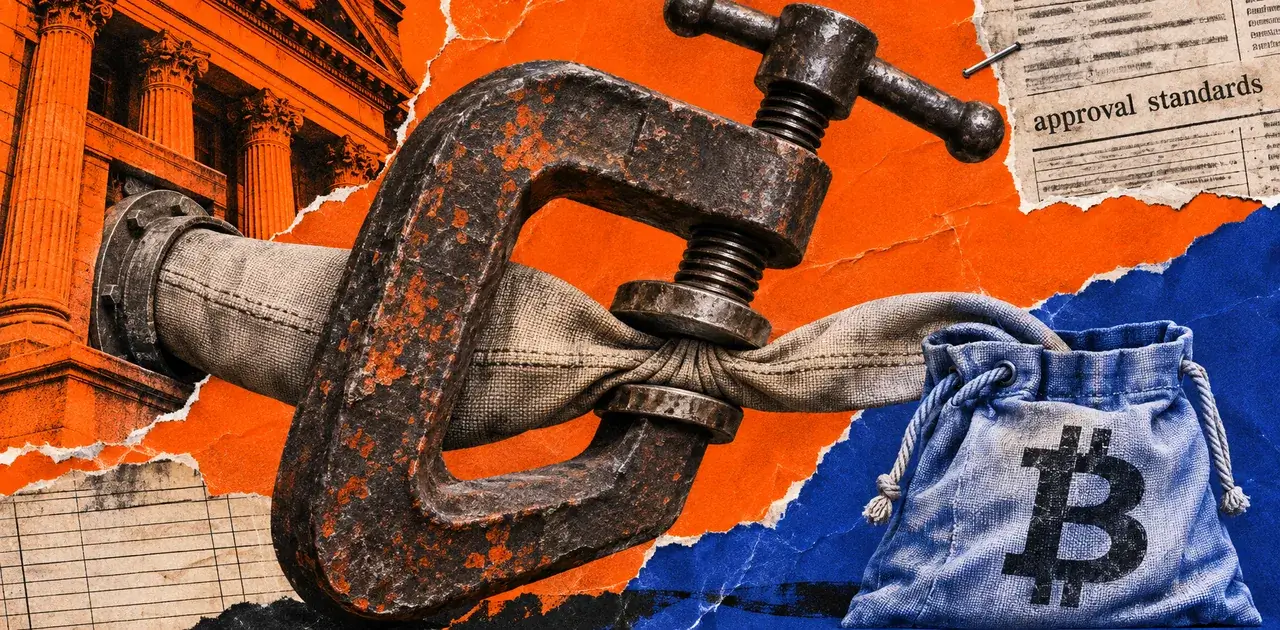
Recent reports indicate that Anthropic’s computing expenses grew at a faster clip than their actual sales in the most recent quarter. That is a terrifying sentence for any Chief Financial Officer to read, especially one looking toward an IPO. When your costs to deliver the product are rising faster than the revenue you get from selling it, you aren't building a scalable business; you're subsidizing your customers' compute habits with venture capital.
The problem is that AI is not like traditional software. When you build a website, the cost of serving the ten-thousandth user is effectively zero. With AI, every single prompt costs electricity, silicon wear-and-tear, and cooling. Anthropic is locked in a price war where the only way to win market share is to make their models cheaper for developers like us to use. But the hardware needed to run these models—mostly NVIDIA chips and massive cloud clusters—isn't getting cheaper at the same rate.
Why Builders Should Care
If you are building an app on top of Claude, this looks like a win in the short term. Lower API costs mean better margins for your startup. But there is a hidden risk here. If the provider’s business model is unsustainable, you are building your house on a foundation made of melting ice. We saw this with the early days of ride-sharing. Uber and Lyft were cheap because investors were paying for half your ride. Once the money dried up, prices spiked and the service quality changed.
For builders, this suggests a few things. First, do not get too attached to a single model provider. If Anthropic has to pivot their pricing mid-year to satisfy investors, your burn rate could double overnight. Second, this confirms that the real winners in this cycle aren't the model builders, but the infrastructure providers. The people selling the picks and shovels are getting paid upfront, while the miners are struggling to find enough gold to cover the cost of the dirt.
The IPO Pressure Cooker
Anthropic is reportedly eyeing an IPO, but Wall Street is notoriously cold toward companies that lose more money the more they grow. The narrative of "growth at all costs" worked in 2021, but in the current market, investors want to see a clear path to profitability. If Anthropic can't show that their models are becoming more efficient to run—not just cheaper to buy—they are going to have a hard time convincing the public markets to buy in.
This pressure to go public creates a weird incentive structure. They need to show massive user growth, which requires low prices. But they also need to show healthy margins, which requires high prices. They are trying to thread a needle while riding a rollercoaster.
The Technical Debt of Innovation
Part of why the costs are ballooning is that every new model generation requires an exponential increase in compute. Claude 3.5 is incredible, but the overhead to train and serve it makes its predecessors look like pocket calculators. We are hitting a point of diminishing returns where the incremental improvement in the AI's intelligence is costing significantly more in hardware than the previous jump.
For those of us in the trenches, this means we should be looking at "small" models more seriously. If the giants like Anthropic are struggling with the weight of their own compute costs, the future might belong to highly specialized, efficient models that don't require a small country's power grid to answer a customer support ticket.
The real test for Anthropic isn't whether they can build a smarter AI than GPT-4; it's whether they can build a business that doesn't evaporate once the venture capital subsidies stop.
The Takeaway for Founders
Don't be fooled by the falling API prices. Treat them as a temporary gift, not a permanent reality. Anthropic is in a fight for its life, trying to balance the demands of a capital-intensive tech stack with the reality of a commoditized market. As builders, our job is to stay agile. Use the cheap compute while it's here, but keep your code modular enough to switch providers if the economics shift.
The AI bubble isn't popping, but it is certainly leaking. The companies that survive the next two years will be the ones that figure out how to make their intelligence efficient, not just powerful. Right now, Anthropic is proving that being smart is easy, but being profitable is hard.
Read the original at Decrypt →