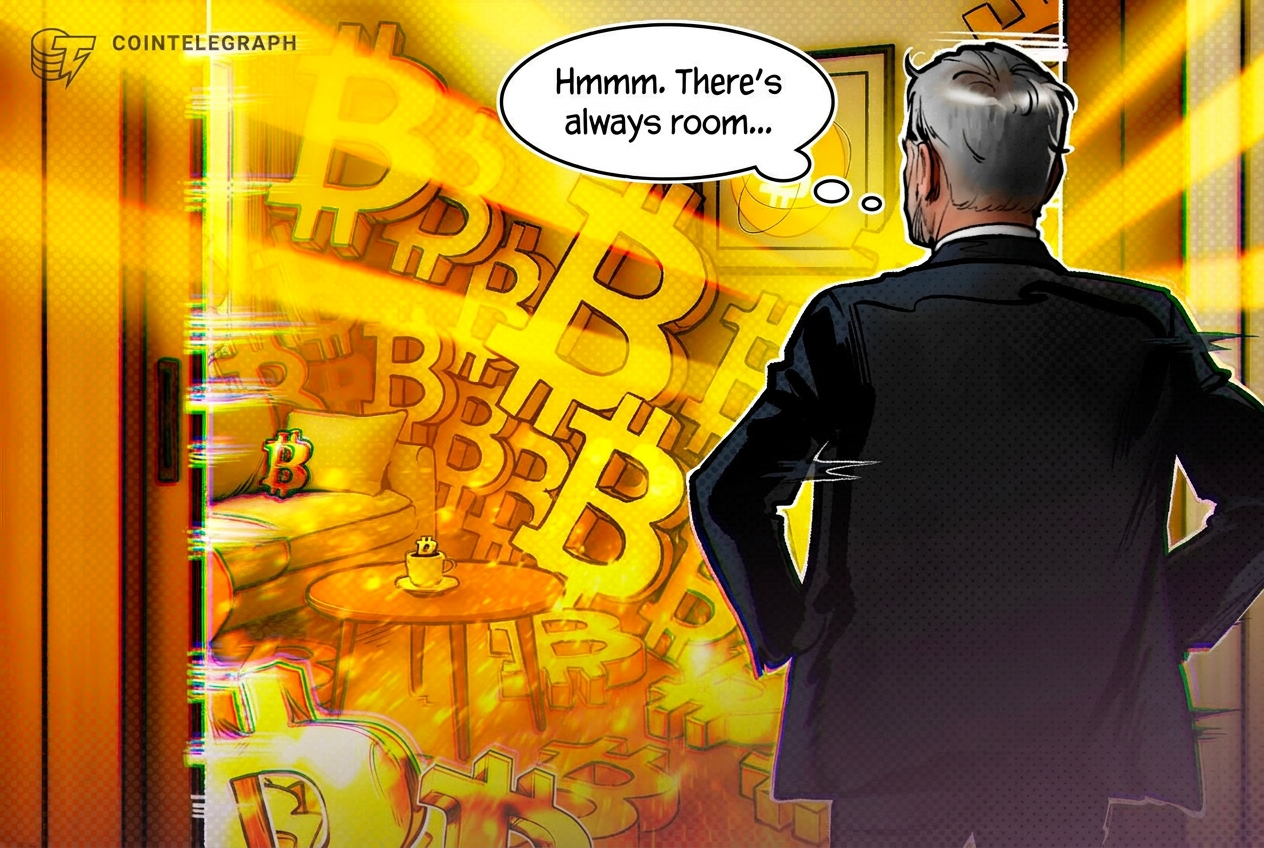
Michael Saylor is the closest thing the crypto world has to a singular force of nature. For years, the script at MicroStrategy has been predictable: raise debt, issue shares, and buy Bitcoin. Repeat until the market capsized or the treasury grew to mythic proportions. But late September offered a subtle shift in the playbook that every founder and builder should be watching closely.
Instead of the usual headline about a multi-thousand BTC purchase, we saw the company pivot toward share buybacks. It is a nuanced move that signals a transition from pure accumulation to a more sophisticated form of capital management. For those of us building in the trenches, it is a reminder that even the biggest bulls have to care about capital structure and shareholder value, not just raw token counts.
The Pivot from Pure Accumulation
For most of September, the market expected the usual aggressive buying spree. However, MicroStrategy focused on repurchasing its own stock. This is a classic corporate finance move, but it feels different when your company is essentially a proxy for the world’s largest digital asset. When a company buys back its own shares, it is usually saying one of two things: we think our stock is undervalued, or we have more cash than we know what to do with.
In Saylor’s case, it is likely a strategic hedge. By reducing the number of shares outstanding, he increases the Bitcoin-per-share ratio for every remaining investor. This is a "builder" move. It is about optimizing the vehicle, not just stacking the fuel. If you are running a startup, this is a lesson in leverage. Sometimes the best investment isn't the external asset; it is the equity you have already created.
Why the Timing Matters
The delay in reporting October’s numbers has the market on edge. We are waiting to see if the first week of October signaled a return to the BTC-only diet. This silence is intentional. In the world of high-stakes treasury management, information is a commodity. By staggering the buybacks and the Bitcoin purchases, Saylor is managing the optics of the company’s health alongside the volatility of the underlying asset.
Builders often get caught up in the "number go up" mentality. We want our TVL to grow, our user base to explode, and our token price to moon. But Saylor is playing a longer, slower game of financial engineering. He is treating Bitcoin as the foundational layer and the MicroStrategy stock as the application layer. When the application layer is cheap relative to the foundation, he buys back the app. When the foundation is cheap, he buys the asset.
The Founder’s Perspective on Treasury
If you are a founder holding a significant amount of crypto on your balance sheet, you have to look at the MicroStrategy model with a healthy dose of skepticism. Most of us don't have the luxury of issuing billions in convertible debt to buy more ETH or SOL. However, we can learn from the discipline of share management. A treasury isn't just a savings account; it is a tool for governance and stability.
The move to buy back shares suggests that MicroStrategy is becoming more than just a Bitcoin wrapper. It is becoming a company that understands how to manipulate its own equity to maximize the value of its holdings. For a builder, this means you should be thinking about how your native token or your equity interacts with your treasury. If your treasury is growing but your equity is diluting at a faster rate, you aren't actually building value—you are just moving it around.
Volatility as a Feature, Not a Bug
One thing Saylor has mastered is the art of ignoring the noise. The late September buybacks happened during a period of relative uncertainty. While the rest of the market was guessing which way the wind would blow, he was tightening the ship. This is the difference between a founder who reacts to the market and one who uses the market to their advantage.
We see too many AI and crypto projects pivot their entire strategy based on a two-week trend. Saylor hasn't changed his mind about Bitcoin; he has simply changed the way he acquires exposure to it. He is buying the shares that represent the Bitcoin, which, at certain price points, is more efficient than buying the Bitcoin directly on the open market. It is a level of sophistication that most crypto-native treasuries lack.
What This Means for the Builders
If you are building in the AI or Web3 space, your treasury is your lifeline. The takeaway from the September-to-October transition isn't that you should go out and buy MSTR stock. It is that you need to be a better steward of your own capital. Here are three things to consider:
- Dilution is a choice: Every time you issue new tokens or shares to fund operations, you are diluting your stake in the future. Are you getting enough value in return?
- Treasury diversity is tactical: Holding your own token is great for alignment, but holding assets that allow you to buy back your own equity when it’s cheap is a power move.
- Transparency is a weapon: The way MicroStrategy teases its moves keeps the market engaged. You don't have to show all your cards, but you should have a clear, communicated strategy for how you handle your reserves.
We are entering a phase where the "HODL" mentality is being replaced by institutional-grade management. It is not enough to just hold the assets; you have to know how to move them. Saylor is showing that even the most hardcore Bitcoin bull recognizes the value of a well-timed share buyback. It makes the company leaner, the shares more valuable, and the treasury more potent.
The goal of a builder isn't to have the most assets; it is to have the most efficient vehicle for those assets.
As we wait for the October numbers, the focus shouldn't just be on how many thousands of Bitcoin were added. We should be looking at the cost basis, the impact on the share price, and how the company is balancing its debt. That is where the real lessons for founders are hidden. The era of blind accumulation is giving way to the era of strategic optimization. If you aren't optimizing your treasury, you are just a spectator in your own business.
Read the original at Cointelegraph →