We have spent years hearing that Ripple is the bridge between the old guard of Wall Street and the new frontier of digital finance. The narrative is simple: XRP is the liquidity tool, Ripple is the infrastructure provider, and eventually, the institutional floodgates will open. But as Ripple prepares for its next phase of expansion, a boring, bureaucratic hurdle is standing in the way. It is not the SEC this time; it is the way their balance sheet actually works.
The Valuation Trap
For most retail investors, the math is straightforward. If the price of XRP goes up, Ripple—which holds a massive supply of the token—should theoretically be worth more. In a rational market, a rise in the underlying asset would translate to a stronger bottom line for the company managing it. However, the way Ripple has to report these holdings under current accounting standards creates a disconnect that most builders and founders need to pay attention to.
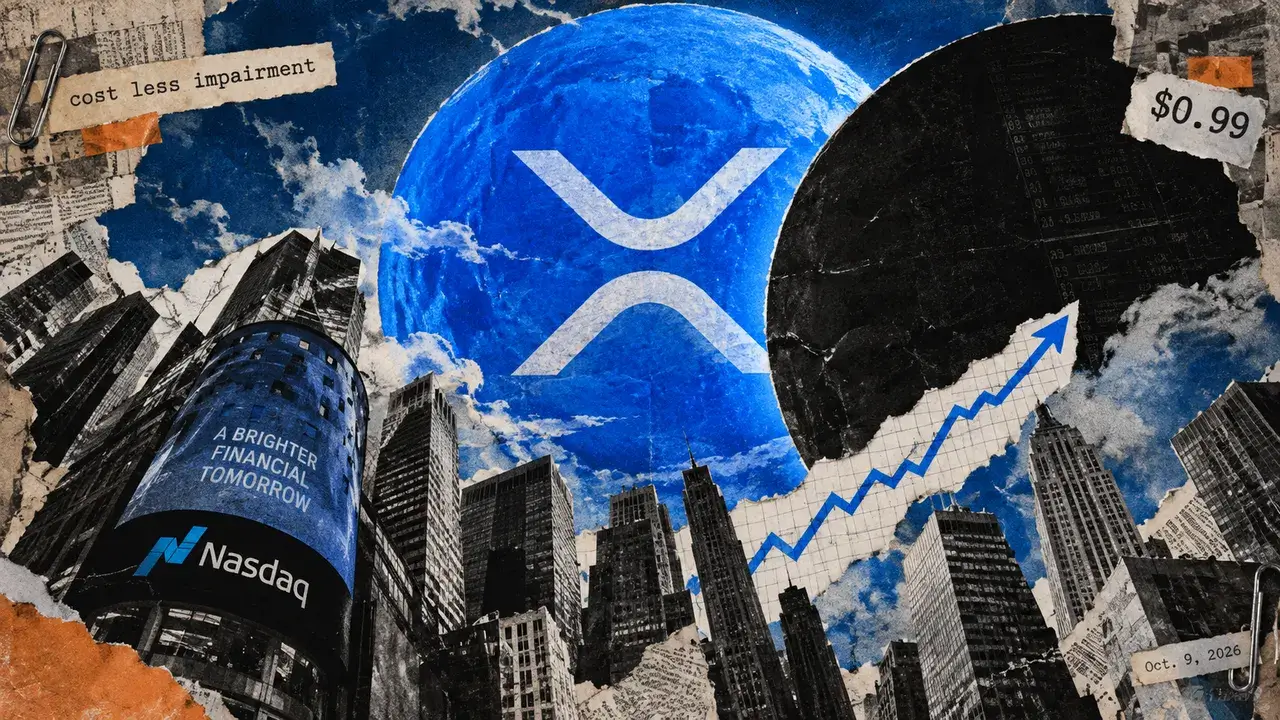
Management retains cost less impairment. That sounds like jargon, but it is a death sentence for hype-driven earnings. It means that an unrealized price spike in XRP does not automatically lift Ripple’s earnings. If the price goes up, the balance sheet stays flat. If the price goes down significantly, they have to mark it as a loss. It is a one-way street where you only feel the pain of the market, never the gain, at least on paper.
Why Builders Should Care About Accounting
If you are building a startup in the Web3 space, you might think accounting is something you hire a firm to handle once you have Series A funding. But the Ripple situation proves that how you categorize your treasury assets dictates your ability to scale. For Ripple, their massive XRP war chest is their greatest strength and their most complex complication.
When a company tries to enter the public markets or attract heavy-hitting institutional partners, those partners look at GAAP (Generally Accepted Accounting Principles) compliant reports. If your primary asset is volatile and your accounting methods do not allow you to recognize the upside of that volatility, your valuation stays suppressed. You end up looking less profitable than you actually are, which limits your ability to raise capital or acquire competitors.
The Institutional Friction
Wall Street loves predictability. They love assets they can model. Ripple has spent a decade trying to convince the world that XRP is the ultimate settlement tool, but the "unexpected complication" here is that the more successful the token becomes in terms of price, the more distorted Ripple’s financial health appears to outsiders who are used to traditional equity metrics.
This creates a friction point for expansion. If Ripple wants to acquire a traditional fintech firm, they often use their holdings or their valuation as leverage. But if that valuation is pinned to a cost-basis that does not reflect current market reality, they are fighting with one hand tied behind their back. It is a reminder that in the transition from a crypto startup to a global financial powerhouse, the rules of the old world still apply.
The Skeptic’s Perspective
I have seen plenty of founders get caught in the trap of thinking their token price is their company’s health. It is not. Ripple is the ultimate case study in this. They have a product that works, a network that is growing, and a legal team that has fought harder than almost anyone else in the industry. Yet, they are still tethered to legacy reporting structures that make their massive success look like a neutral event on an earnings call.
We should be asking if this accounting hurdle is actually a hidden risk for the ecosystem. If the company behind the asset cannot fully leverage the value of that asset to grow their infrastructure, the pace of adoption slows down. It becomes a game of attrition rather than a sprint.
- Asset Impairment: If the price drops, the company takes a hit on the books.
- Unrealized Gains: If the price rockets, the books stay the same.
- Market Perception: Institutions may see a stagnant balance sheet despite a thriving token ecosystem.
The Founder’s Takeaway
For those of us building in this space, the lesson is clear: your treasury strategy is just as important as your tech stack. If you are holding a significant portion of your own token, you need to understand how that will be viewed by a non-crypto auditor or a traditional bank. You cannot assume that a high token price equals a high company valuation.
Ripple is likely going to continue its expansion, but it will be doing so under a microscope. The complication isn't just about the numbers; it's about the narrative. How does a company convince Wall Street it is winning when the rules of the game prevent the scoreboard from showing the real score?
The biggest threat to crypto adoption isn't always a bad law; sometimes it is just an old rule that hasn't been updated for a new reality.
As we move forward, watch how Ripple handles this. If they can find a way to navigate these reporting requirements while still expanding their footprint, they will provide a blueprint for every other crypto firm trying to go legitimate. If they can't, it might be a signal that the bridge between crypto and Wall Street is much longer and more expensive to cross than we previously thought.
Read the original at CryptoSlate →