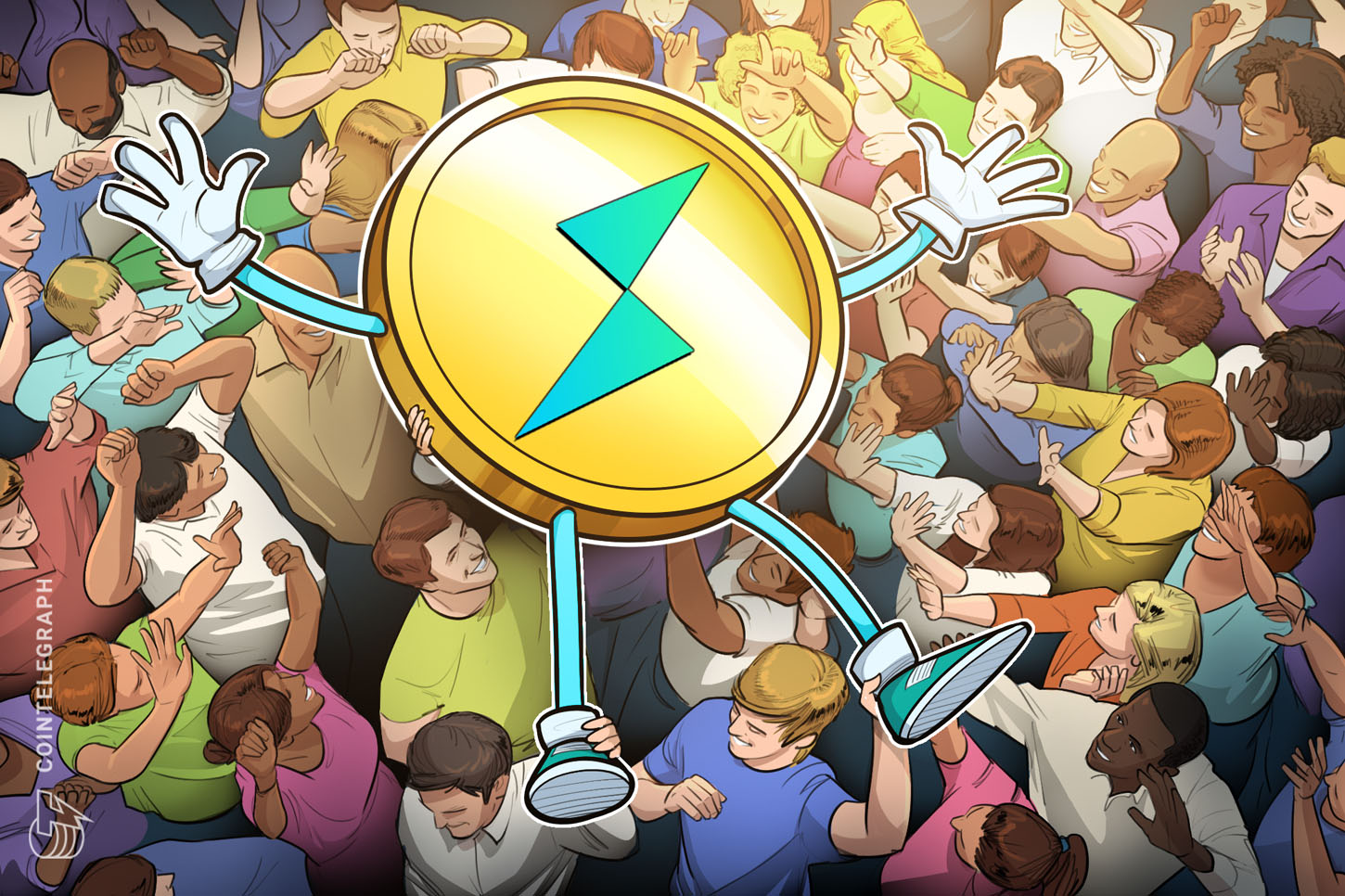
THORChain is back. Mostly. After a significant outage that saw cross-chain swaps grind to a halt, the protocol has restored functionality for the heavy hitters like Bitcoin and Ethereum. Naturally, the market responded with a 15% price bump for RUNE, but as builders, we need to look past the green candles and talk about what actually happened under the hood.
The Incident
The downtime wasn't a malicious hack in the traditional sense, but it was just as disruptive. A bug related to how the protocol handles refunds triggered a chain-wide pause. In the world of decentralized finance, a refund bug is a nightmare scenario because it touches the core logic of how assets move between sovereign blockchains. If the accounting is off by even a fraction, the automated market makers can lose parity or, worse, drain liquidity providers.
While Bitcoin, Ethereum, and a handful of other networks are back in action, three chains remain in a state of suspended animation. This staggered rollout is standard procedure for a team trying to avoid a secondary collapse. It shows a level of maturity in their dev-ops, but it also highlights the inherent fragility of trying to be the "universal translator" for crypto assets.
Why This Matters for Builders
If you are building in the cross-chain space, this event is a case study in state management. THORChain doesn't use wrapped tokens or centralized bridges; it uses native-to-native swaps. This is the holy grail of decentralization, but it carries immense technical debt. When one chain experiences a consensus hiccup or a protocol-level bug, the friction spreads across the entire ecosystem.
Builders should take note of how THORChain handles its circuit breakers. The fact that the system could be paused and restarted without losing the underlying collateral is a testament to their security architecture, even if the bug itself was an embarrassment. If your protocol can't withstand a partial failure, you are building a house of cards.
The RUNE Economic Flywheel
The 15% price rally for RUNE following the restart tells us something about investor psychology. In this niche, uptime is the only metric that truly matters for trust. The moment the swaps were green-lit, the liquidators and arbitrageurs jumped back in. RUNE’s tokenomics are uniquely tied to network volume. Because the token is used as a settlement asset, any increase in swap activity creates a direct buy-pressure loop.
However, relying on price action as a measure of technical health is a mistake many founders make. A 15% rally doesn't mean the bug is fixed forever; it means speculators are relieved. As a builder, your focus should be on the lag time between the crash and the fix. How long did it take the validators to coordinate? How transparent was the communication? In this instance, THORChain’s core team was vocal, which likely saved the token from a deeper sell-off.
The Risk of Complexity
The reality is that THORChain is one of the most complex pieces of infrastructure in the industry. It attempts to synchronize state across multiple disparate blockchains with different block times and finality rules. Every time they add a new chain, the attack surface grows exponentially.
For those of you looking to fork this or build competitive swap layers, ask yourself if you have the stomach for this level of maintenance. The “refund bug” is a classic example of an edge case that only appears under high stress or specific volume conditions. It's the kind of thing that doesn't show up in a local dev environment but wreaks havoc in production.
The Long Road to Resilience
We are still in the “move fast and break things” phase of cross-chain liquidity. THORChain has been broken multiple times over the last few years, and each time, it comes back a bit more rugged. To some, this is a sign of a failed project. To a founder, this is what progress looks like. You cannot build a decentralized Bitcoin-to-Ethereum exchange without hitting these walls.
The takeaway for the wider market is that native swaps are incredibly hard. While centralized exchanges offer a smoother experience, they don't offer the sovereignty that THORChain promises. The market is clearly willing to forgive these outages as long as the funds remain safe and the protocol eventually resumes operation.
Founder Perspective
If you're leading a team, look at your own “refund” logic today. Whether you're building an AI agent that triggers payments or a new L2, the points of exit are where you are most vulnerable. THORChain’s ability to survive this outage rests on their ability to pause the world, fix the leak, and restart. Does your stack have a panic button, or will you just watch the TVL vanish in real-time?
We need to stop pretending that these systems are bulletproof. They aren't. They are experiments running in a live production environment with millions of dollars at stake. The 15% rally is a nice headline, but the real story is the resilience of the validator set and the speed of the patch. That is what real building looks like.
Final Takeaway
Don't get blinded by the price recovery. Use this event to audit your own cross-chain dependencies. If your dApp relies on a protocol that can go dark for 24 hours, you need a contingency plan. THORChain proved they can recover, but they also reminded us that in the world of native swaps, nothing is ever truly "set it and forget it."
Read the original at Cointelegraph →