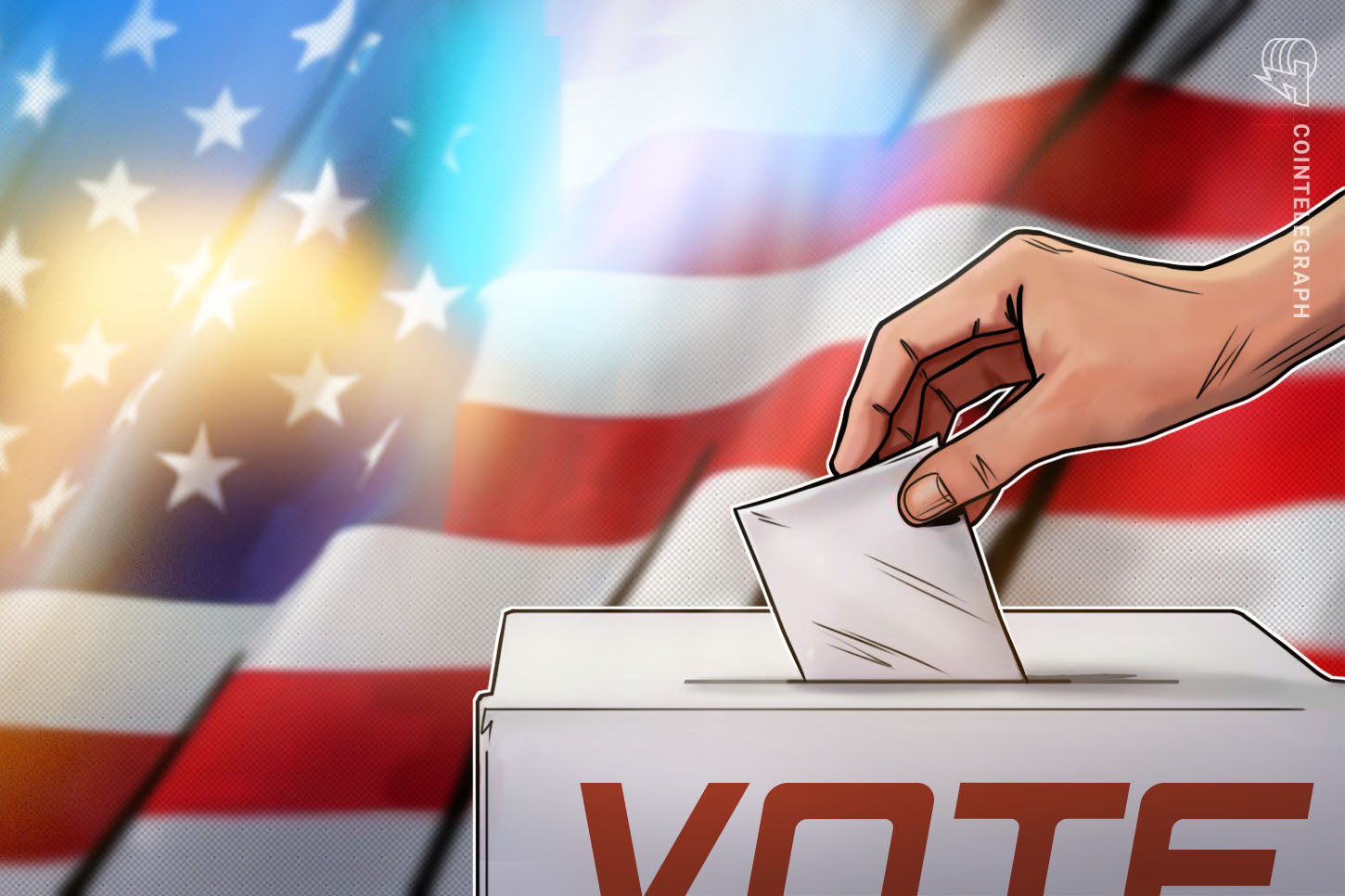
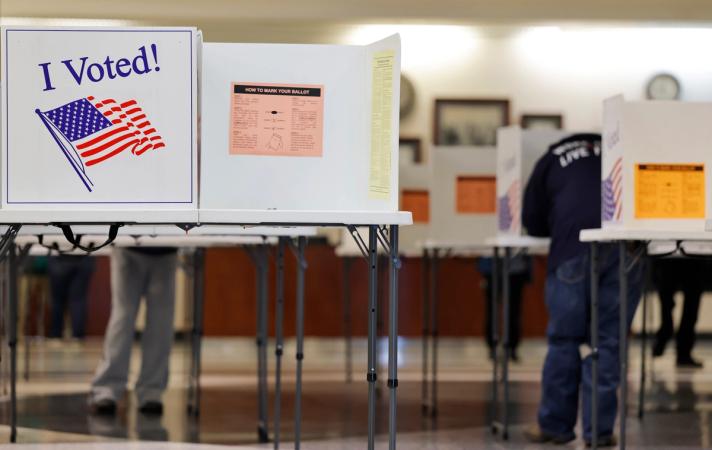
We have a habit in this industry of looking for a silver bullet. We want that one law, that one court ruling, or that one election cycle to finally give us the green light to build without fear of a random enforcement action. With the midterms unfolding, the chatter is all about which party takes the gavel and how that shifts the crypto agenda. But if you are actually building a product, you need to look past the political theater.
The reality is far less cinematic. Regardless of which way the wind blows in Washington, the regulatory pressure on crypto isn't going to vanish. We are moving into a phase where agencies, not legislators, are driving the bus. For founders, this means the rules of the game are being written in real-time through enforcement actions and administrative tweaks rather than clear, debated statutes.
The Illusion of Political Salvation
It is tempting to think that a shift in congressional leadership will result in a flood of pro-innovation bills. The logic usually goes: 'If Party X wins, we get the stablecoin bill; if Party Y wins, we get clarity on DeFi.' While the makeup of committees matters for the long-term vibe of the Hill, the immediate reality for a startup is governed by the SEC, the CFTC, and the Treasury.
These agencies operate on timelines that don't always align with two-year election cycles. They have mandates, they have career staff, and they have existing legal frameworks they are determined to stretch over new technology. A new committee chair might hold a spicy hearing, but they aren't going to stop an agency from sending out a Wells notice on a Tuesday afternoon.
The Agency-First Reality
If you look at the recent moves from the big regulators, they aren't waiting for permission from Congress. They are asserting jurisdiction through the courts. This 'regulation by enforcement' is frustrating, but it is the current operating environment. Legal experts, including those close to major protocols like 1inch, are increasingly signaling that the executive branch and independent agencies will maintain their grip on policy direction.
For a founder, this is the hardest environment to navigate. You can't just read a law and follow it, because the law hasn't been written yet. Instead, you have to read the tea leaves of every lawsuit the SEC files against a competitor. You have to parse every speech given at a banking conference. You are essentially building a house while the building inspectors are still arguing over whether wood is a legal material.
What This Means for the Builder
If you are in the trenches right now, your strategy needs to shift from 'waiting for clarity' to 'building for resilience.' Here is how you should be thinking about the agency-driven landscape:
- Compliance isn't a feature, it's a foundation: You can no longer launch now and figure out the legal side later. The agencies are looking for easy wins, and project leads who ignore basic KYC/AML or securities frameworks are low-hanging fruit.
- Decentralization must be real: If your 'DeFi' protocol has a multisig controlled by three guys in a Slack channel, the agencies will treat you like a centralized bank. The more control you retain, the bigger your target becomes.
- Budget for the long haul: Legal fees are now a primary operating expense. If you aren't prepared to defend your architecture, you might need to rethink your architecture.
The Myth of the 'Crypto Vote'
There is a lot of talk about the 'crypto voter' being a kingmaker in these elections. While it is true that more people own digital assets than ever before, crypto is rarely the top-of-mind issue at the ballot box when compared to inflation or healthcare. Politicians know this. They will take the donations and show up at the conferences, but they aren't going to risk their political capital to shield a decentralized exchange from a regulatory probe.
We have to stop expecting the political class to save us. Their job is to stay in office. Our job is to build systems that are so useful and so robust that they eventually become too integrated to be easily dismantled by a bureaucratic whim.
The Path Forward
Expect more of the same: more subpoenas, more vague guidance, and more debate over whether a token is a security or a commodity. The agencies feel empowered right now, and a change in the House or Senate won't immediately strip them of that confidence. They see themselves as the thin line protecting consumers from the 'wild west.'
Instead of watching the polls, watch the court filings. The real 'legislation' is happening in the Southern District of New York and in the internal meetings at the SEC. That is where the precedents are being set that will determine if your startup survives the next five years.
The regulatory environment isn't a weather pattern you can just wait out; it is the terrain you have to learn to navigate if you want to stay in the game.
The takeaway for founders is simple: stop betting on a political miracle. The agencies are in the driver's seat, and they aren't checking the election results before they decide how to regulate your smart contract. Build with the assumption that the rules will remain blurry and the regulators will remain aggressive. If you can survive that, you can survive anything.
Read the original at Cointelegraph →