The Patience Tax in a Moving Market
I have spent enough time around founders and devs to know that the hardest thing to do is nothing. We are wired to ship, to pivot, and to trade. But veteran analyst Peter Brandt is currently suggesting that for the Bitcoin market, the best move might be simply waiting for the clock to run out. Brandt’s latest outlook isn't the typical moon-math you see on social media; it is a sobering reminder that market cycles rarely care about our development roadmaps or our quarterly goals.
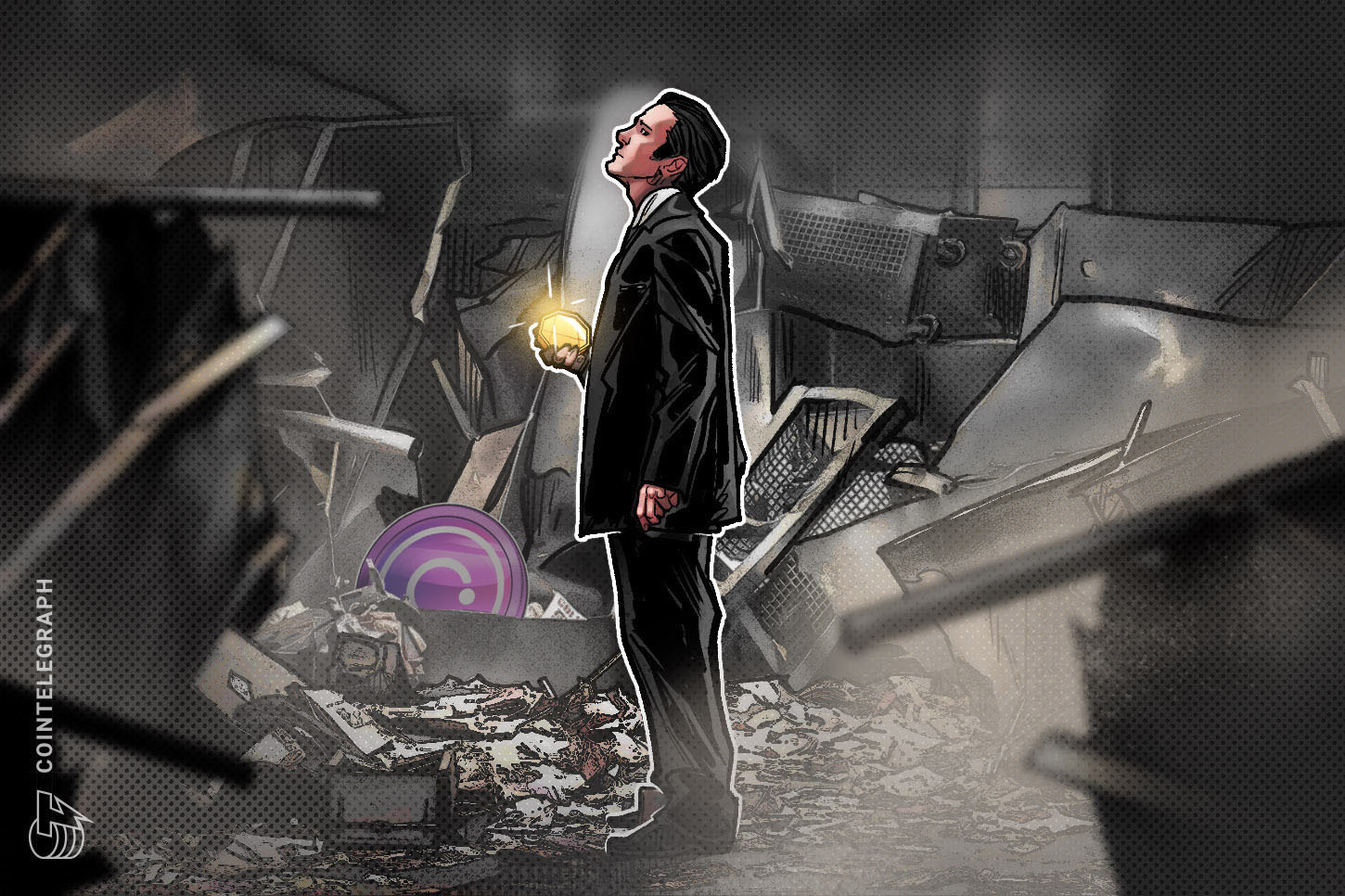
Brandt indicates that the current bear cycle for Bitcoin might not actually find its definitive floor until October. While the term bear market usually triggers panic, for those of us building in this space, it should be viewed as a period of necessary consolidation. We have been bouncing around the middle ground for a while, and the exhaustion among retail participants is palpable. Brandt’s perspective is that this sideways or downward grind is a part of a larger historical script that hasn't finished its current act.
The AI Hype Trap vs. The Digital Gold Reality
One of the more interesting aspects of Brandt’s recent commentary isn't just about price floors. It is about opportunity cost. He made a direct comparison that hits home for anyone working at the intersection of crypto and artificial intelligence: buying Bitcoin today is likely a better move over a two or three-year horizon than buying AI stocks at their current valuations.
As someone who uses AI tools daily to streamline operations, I see the value in the tech. However, from a founder’s perspective on capital allocation, the AI market feels heavy. It is crowded with speculative projects and legacy companies slapping a .ai domain on a basic wrapper. Brandt is highlighting a fundamental truth that many traders ignore: value is found in the gap between perception and reality. Right now, the perception of AI is that it is an infinite money printer, while the perception of Bitcoin is that it is a stagnant or dying asset. Historically, the best entries happen when the sentiment is exactly this grim.
Why October Matters for Builders
If you take Brandt’s October bottom prediction seriously, it changes how you manage your runway. If we are looking at another several months of stagnant price action, you shouldn't be counting on a market-driven liquidity event to save your project in the short term. Instead, this is the time to tighten the belt and focus on core utility. When the market eventually turns—and Brandt suggests it will—it won't be because of a single news event. It will be because the sellers have finally exhausted themselves.
For those building decentralized applications or infrastructure, the "bottom" isn't just a price point; it is a sentiment reset. A bottom in October would mean we enter the final quarter of the year with a clean slate. The tourists will be long gone, and the people remaining will be the ones who actually understand the underlying protocol. This is when the most significant partnerships are usually formed and when the most robust code is written.
The Multi-Year Horizon
The core of Brandt's argument is the three-year outlook. In crypto, we often get caught up in the four-hour candles or the weekly close. But if you look at the macro cycles, the noise starts to fade. Brandt’s confidence in BTC outperforming the current darlings of the tech world (AI stocks) suggests that he sees Bitcoin as an undervalued infrastructure layer that hasn't yet hit its peak utility or adoption.
Building during a lingering bear market is a test of conviction. If Brandt is correct and we have more downside or sideways movement through the summer and into the fall, it will serve as a filter. We saw this in 2018 and again in 2022. The projects that survive a protracted bottoming process are usually the ones that dominate the following two years. This is the period where you earn your stripes as a founder.
Risk Management and the Reality Check
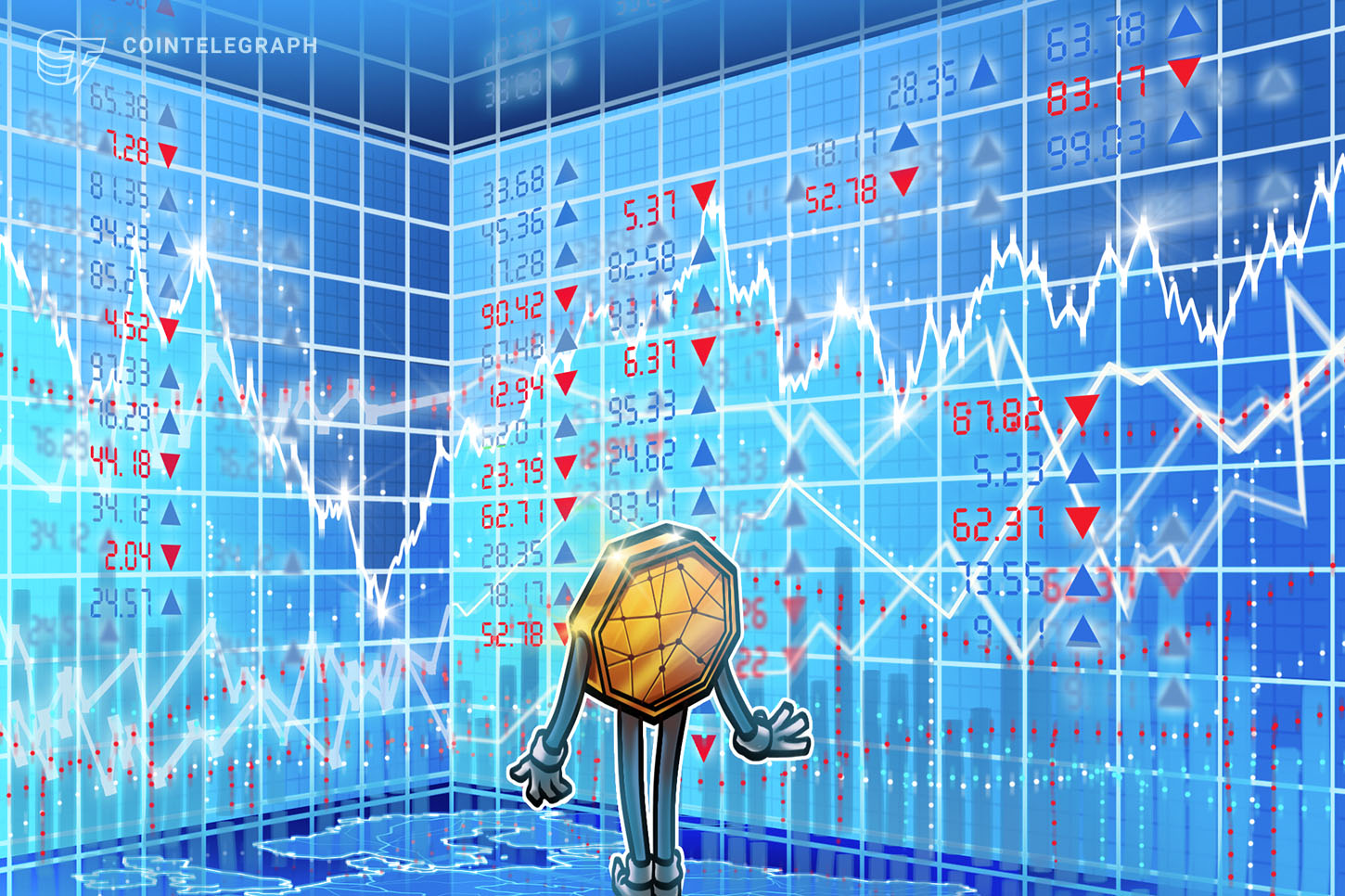
We have to keep a healthy level of skepticism. Brandt has been right many times, but no one has a perfect record with the Bitcoin chart. The volatility is the only constant. What builders should take away from this is not a specific date to bet the house, but a timeframe to manage risk. If we are in a bear market until October, do you have the resources to stay operational? Do you have the mental fortitude to keep your team motivated when the charts are red?
The comparison to AI stocks is particularly telling because it suggests that the "smart money" might be looking to rotate out of over-extended tech sectors and back into the hardest asset on the planet. For a long time, crypto and tech stocks moved in lockstep. Brandt’s thesis implies a potential decoupling where Bitcoin's scarcity finally outweighs its identity as a high-risk tech proxy.
- Focus on Runway: Assume the market won't bail you out until late Q4.
- Ignore the AI Noise: Don't pivot your project just to catch a fleeting venture capital trend.
- Value Scarcity: Remember that institutional interest in BTC is a long-game strategy, not a day trade.
I have seen these cycles play out before. The 2017 peak followed by a long winter, the 2020 crash followed by the DeFi summer. Each time, the experts predicted a date for the end. Whether Brandt is right about October or whether it happens sooner, the takeaway remains the same: stop watching the ticker and start looking at the three-year roadmap. If you can survive the next six months without a bull market wind at your back, you are probably going to win in the long run.
"Investing in Bitcoin today will pay off much better in resonance than chasing the current AI stock bubble."
That is the sentiment Brandt is pushing, and from where I’m sitting, it makes a lot of sense. AI is the tool of the present, but Bitcoin remains the financial architecture of the future. Don't let a slow summer and a potentially rocky October distract you from the fact that the fundamentals of decentralized finance haven't changed. The market is just doing what it always does: shaking out the weak hands before the next leg up.
Read the original at Cointelegraph →