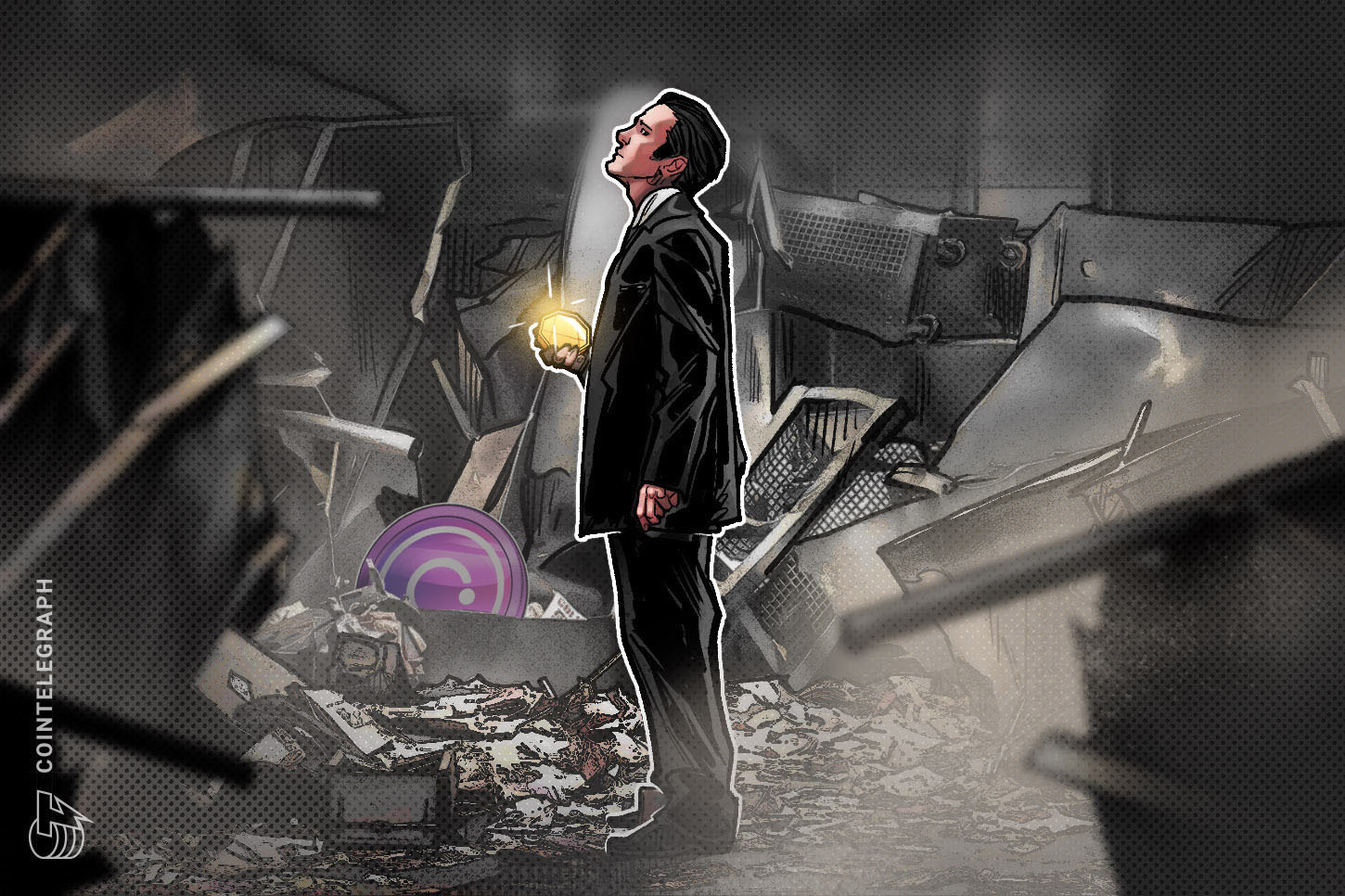
The cleanup crew is finally making its way through the wreckage of Celsius Network. This week, we saw former co-founders Shlomo Leon and Hanoch Goldstein agree to pay a combined $6 million to the Federal Trade Commission. This follows the $10 million settlement already inked by former CEO Alex Mashinsky back in April. It is a drop in the bucket compared to the billions lost during the platform's collapse, but it serves as a stern reminder of what happens when the distance between marketing and reality becomes an unbridgeable chasm.
The cost of deceptive safety
As builders, we often talk about the importance of UX and friction. Celsius was a masterclass in removing friction by replacing it with a false sense of security. They marketed themselves as the safe alternative to big banks, famously using slogans like "Unbank Yourself." The problem, as the FTC and the subsequent bankruptcy filings revealed, was that they were taking risks that no traditional bank—and very few responsible crypto platforms—would ever consider.
Leon and Goldstein were central to the operation of a system that essentially functioned on the premise of perpetual growth. By settling with the FTC, these executives aren't just paying a fine; they are being permanently banned from handling consumer assets or providing financial services in several capacities. It is a professional death sentence in the fintech world, and frankly, it is earned. When you tell users their funds are as safe as they would be in a savings account while actively gambling those funds in high-risk DeFi loops, you aren't innovating. You're deceiving.
Why this matters for the current cycle
We are currently seeing a resurgence in yield-bearing products. Whether it is liquid staking, restaking, or new algorithmic stablecoins, the temptation to offer double-digit returns to attract TVL (Total Value Locked) is back in full force. The Celsius settlements should be the ghost of Christmas past for any founder currently drafting a pitch deck for a new yield aggregator.
The FTC’s move against the individuals—not just the corporation—is a signal. In the early days of crypto, founders thought they could hide behind a corporate veil or a DAO structure. Those days are over. Regulators are looking at the people who signed off on the marketing copy. If you claim a product is low-risk and it blows up because of internal mismanagement, you are personally on the hook. For builders, this means your compliance and legal debt is just as dangerous as your technical debt.
The reality of the numbers
Let’s look at the proportions. A $6 million settlement might sound like a lot of money to the average observer, but in the context of the Celsius collapse, it is largely symbolic. The platform owed users nearly $4.7 billion at the time of its filing. Mashinsky himself is still facing criminal charges, which is where the real accountability will likely happen. Leon and Goldstein are essentially paying to exit the civil litigation stage so they don't spend the rest of their lives in a discovery phase.
This is a pattern in the industry. The people at the top usually walk away with a portion of the wealth they accumulated during the boom years, while the retail users are left waiting years for a fractional payout in a bankruptcy court. As someone who built through multiple cycles, I find this trend exhausting. It taints the legitimate work being done by engineers who are actually trying to solve the problem of financial sovereignty.
The Founder’s Takeaway
If you are building in the crypto space right now, here are the three things you should take away from the Celsius executive settlements:
- Marketing is a legal document. If your website says your protocol is secure, you better have the audits and the underlying architecture to prove it under oath. The FTC doesn't care about the "experimental" tag in your footer if your landing page screams "risk-free."
- Personal liability is the new normal. The era of the anonymous or untouchable founder is closing. If you are handling user funds, assume that regulators will treat you like a traditional financial executive.
- Yield without utility is a trap. Celsius failed because its yield was subsidized by risk rather than generated by actual economic activity. If your project relies on a continuous influx of new capital to pay out existing users, you aren't building a protocol; you're building a countdown clock.
The settlements with Leon and Goldstein don't bring back the lost savings of thousands of families who trusted Celsius. What they do provide is a clear boundary. The regulators are moving slowly, but they are moving. For those of us who want to see this industry survive and thrive, that accountability is necessary. We need to stop rewarding people who build houses of cards and start celebrating the builders who are transparent about the risks they take.
Celsius was a hard lesson in what happens when ego and marketing outpace engineering and ethics. While the co-founders pay their millions and exit the stage, the rest of us are left to clean up the reputation of an entire industry. The best way to do that is to build things that don't require a settlement to explain why they failed.
Read the original at Cointelegraph →