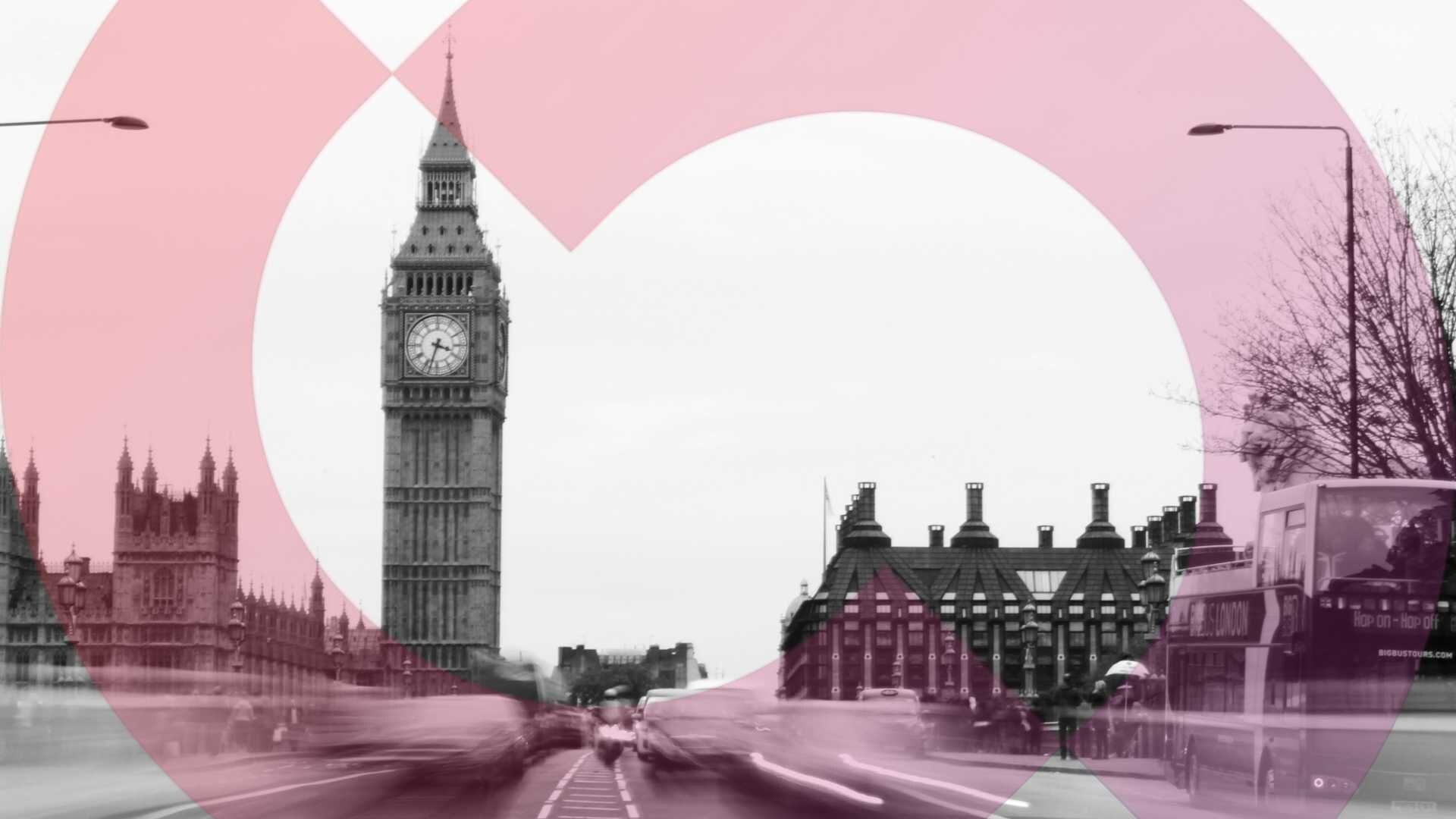
TradFi is finally starting to feel the pressure of the 24/7 economy. For decades, the London Stock Exchange has operated like a government office—opening at nine, closing by five, and taking the weekends off. But that model is dying. Reports now suggest the LSE is looking to launch overnight trading by 2027. They aren't doing this because they want to; they're doing it because they have to.
The Crypto Wake-Up Call
For those of us in the crypto space, the concept of a market closing is prehistoric. If you want to swap SOL for USDC at 3 AM on a Sunday, you just do it. There is no bell, no closing ceremony, and no waiting for a Monday morning opening to see how the world reacted to news over the weekend. This constant uptime has created a new breed of investor and builder who expects instant execution.
The London Stock Exchange is seeing the writing on the wall. They are losing relevance to platforms that don't sleep. Retail traders, especially the younger cohort, have been successfully onboarded into the 24-hour cycle via crypto apps. When these users try to go back to traditional equities, the restricted hours feel like a bug, not a feature. By 2027, the LSE hopes to bridge this gap, but three years is a lifetime in this industry.
The Infrastructure Headache
Moving a legacy exchange to overnight trading isn't as simple as just keeping the lights on. The LSE sits on top of layers of legacy technology, settlement systems, and regulatory frameworks that were built for a five-day work week. Builders in the decentralized space often overlook how much friction exists in these old rails.
Clearing houses and banks have to be operational. Risk management models have to be rewritten. If a major geopolitical event happens at 2 AM, the exchange needs the liquidity and the oversight to prevent a flash crash. Crypto solved this with automated market makers and programmatic liquidations. TradFi still relies heavily on human intervention and slow-moving settlement cycles like T+1 or even T+2. Moving to 24/7 means their backend has to become as fast as their front-end, which is a massive engineering hurdle.
What This Means for Holders
For the average holder, this is a double-edged sword. On one hand, it increases liquidity. You won't be trapped in a position over a long weekend while a company collapses. On the other hand, the volatility that we see in crypto will bleed into the stock market. The "opening bell" gap—where prices jump significantly from one day's close to the next day's open—might disappear, but it will be replaced by a grinding, never-ending volatility that requires constant monitoring.
We have to ask if the traditional mental health of a trader can handle this. In crypto, burnout is a feature, not a bug. If the LSE goes 24/7, they are essentially telling specialized traders that they can never truly disconnect. It’s an arms race that favors bots and AI over human intuition.
The Opportunity for Builders
As a founder, I look at this move by the LSE as a massive validation for tokenization. If traditional exchanges want to trade 24/7, they will eventually realize that their current database structures are inefficient for that volume and speed. The logical conclusion is the tokenization of equities.
- Middleware Solutions: There is a huge opening for companies that can bridge the gap between 24/7 trading front-ends and the legacy settlement backends that still need to sleep.
- AI Risk Management: Humans can't monitor a global 24/7 market effectively. We need better AI tools that can manage portfolio risk across both crypto assets and traditional stocks in real-time.
- Unified Dashboards: When the LSE goes 24/7, the wall between your "crypto bag" and your "stock portfolio" effectively disappears. Tools that treat these as a single pool of liquidity will win.
The Reality of 2027
We need to be skeptical of the timeline. 2027 is a long way off. In the tech world, that’s two generations of product cycles. By the time the LSE actually flips the switch on overnight trading, decentralized finance (DeFi) will likely have evolved three steps further. We are already seeing tokenized versions of US Treasuries and stocks trading on-chain today.
The LSE isn't leading; they are reacting. They are trying to build a fence around their liquidity before it all flows into decentralized protocols. Whether they can actually move fast enough to matter remains to be seen. A legacy giant trying to dance to a crypto beat usually ends up stepping on its own toes.
The market no longer cares about your time zone. If you aren't trading, someone else—or some bot—is. TradFi is finally admitting that the crypto model of eternal uptime is the only way forward.
Summary for Builders
The takeaway here is that the friction between traditional finance and crypto is evaporating. If you are building in the RWA (Real World Asset) space, your market just got a massive green light. The world's oldest exchanges are admitting that the 24/7 model is the future. Don't wait for them to catch up in 2027. Build the infrastructure now that makes their transition inevitable—or better yet, makes their centralized model obsolete through superior on-chain alternatives.
Read the original at Cointelegraph →