The Great Hardware Hangover
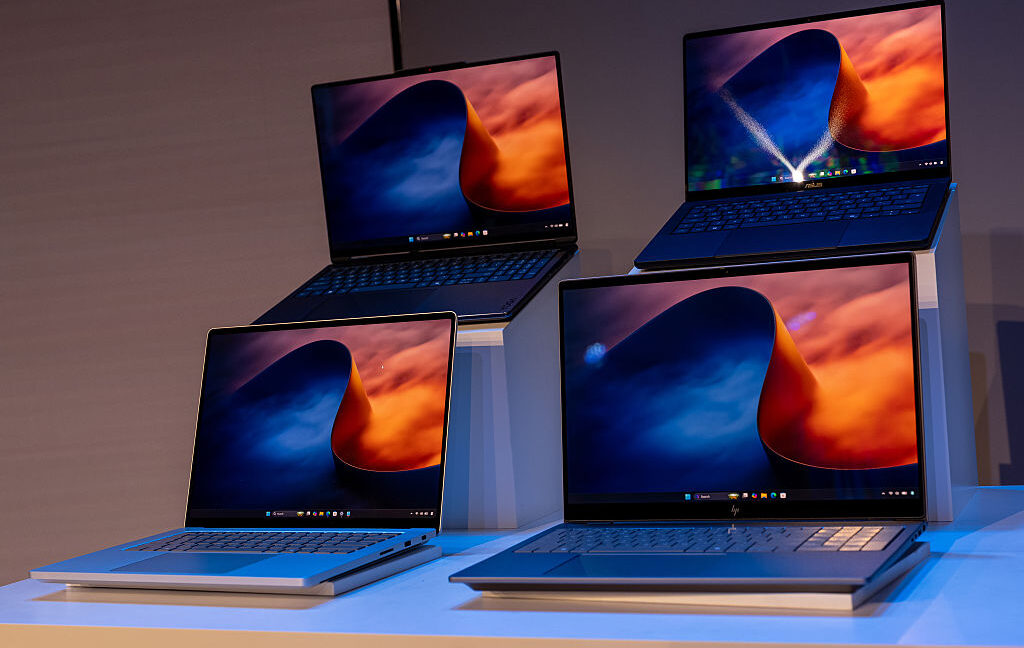
The latest data from the PC market isn't just a minor correction; it is a loud signal that the post-pandemic replacement cycle has completely run out of steam. According to recent shipment figures, the industry just weathered a 20.1 percent decline. This represents the most significant drop-off we have seen since the first quarter of 2023. For those of us in the crypto and AI trenches, this isn't just a retail story. It is a fundamental shift in how compute is being distributed and valued.
We spent the last two years hearing that the "AI PC" would save the hardware industry. The promise was simple: you would buy a new laptop with a dedicated NPU (Neural Processing Unit), and suddenly your local machine would handle the heavy lifting of Large Language Models. But the market is reacting with a giant shrug. Most users are realizing that for everyday tasks, their three-year-old machines are still "good enough," especially when the most powerful AI tools still live in the cloud.
The Valuation Gap in Local Compute
For founders building in the decentralized physical infrastructure (DePIN) space, these numbers are a reality check. We talk a lot about using idle consumer hardware to power the future of the internet. But if consumers aren't buying new hardware, the pool of high-end, consumer-grade chips stops growing. We are looking at a potential downward cycle that could last through the next year, meaning the "hardware at the edge" we’ve been counting on might stay stuck in 2022 specs for a while longer.
The sharp decline suggests that the premium prices manufacturers are asking for AI-ready silicon aren't justified by the current software ecosystem. If you are building an app that requires local inference, you have to ask yourself: who actually owns the hardware to run it? If shipment numbers are cratering, your addressable market for high-performance local apps is shrinking, not expanding.
Why the AI PC Narrative Failed to Launch
The industry tried to sell a replacement cycle based on a use case that hasn't fully matured. Most people don't need a dedicated chip to run a chatbot that they can access via a browser. The bottleneck for most users isn't their CPU speed; it's their workflow integration and data privacy. Until there is a "killer app" that absolutely requires 40 NPU TOPS (Tera Operations Per Second) to function, the average consumer will keep their money in their pocket.
In the crypto world, we saw a similar phenomenon with mining rigs. When the math doesn't justify the hardware investment, the market dries up instantly. Right now, the math for a $1,500 AI laptop upgrade doesn't add up for the average professional, let alone a casual user. We are seeing a massive disconnect between what manufacturers want to sell and what builders actually need to deploy software.
What This Means for Developers
If you are a founder or a developer, these shipment numbers should influence your roadmap. There are three key takeaways from this hardware slump:
- Cloud-First is Still King: Don't bank on local hardware capabilities for your MVP. The adoption of high-end consumer AI chips is moving much slower than the marketing departments at Intel or AMD would lead you to believe.
- Optimization Over Upgrades: Instead of building for the next generation of silicon, focus on making your models smaller and more efficient. The hardware people are using today is likely what they will be using two years from now.
- DePIN Opportunities: As PC sales fall, the secondary market for used hardware might become more relevant. There is a potential play in repurposing existing silicon rather than waiting for new shipments to fill the gap.
The Skeptical Outlook
It is easy to look at a 20 percent drop and say the PC is dead. It isn't. But the era of the "forced upgrade" is over. The hardware industry is hurting because they haven't given us a compelling reason to change our behavior. For those of us building in AI, this is a reminder that software must lead hardware. We can't expect a shiny new chip to create demand for our products; our products have to be so good that they make the old chips feel obsolete.
The current downward cycle is a filter. It will wash out the companies that relied on a hardware boom to hide their lack of utility. We are moving into a period where efficiency and clever software architecture matter more than raw, unoptimized power. If you are building for the user of 2026, you should probably assume they are still using a computer from 2021.
Takeaway for Founders
Stop waiting for the hardware cycle to save your user experience. The decline in PC shipments proves that consumers are holding onto their cash. Build for the hardware that exists in the world right now, not the hardware promised in a slide deck. The most successful AI and crypto projects of the next two years will be the ones that do more with less.
Read the original at Ars Technica →