We talk a lot about the 'shipping layer' of the internet in web3, but we rarely look at the physical shipping layer of the solar system. If you want to build a sustainable economy on the Moon or Mars, you have a massive logistics problem: getting things back to Earth without them turning into a localized fireworks show. NASA is currently tackling this by turning their trash into a data goldmine.
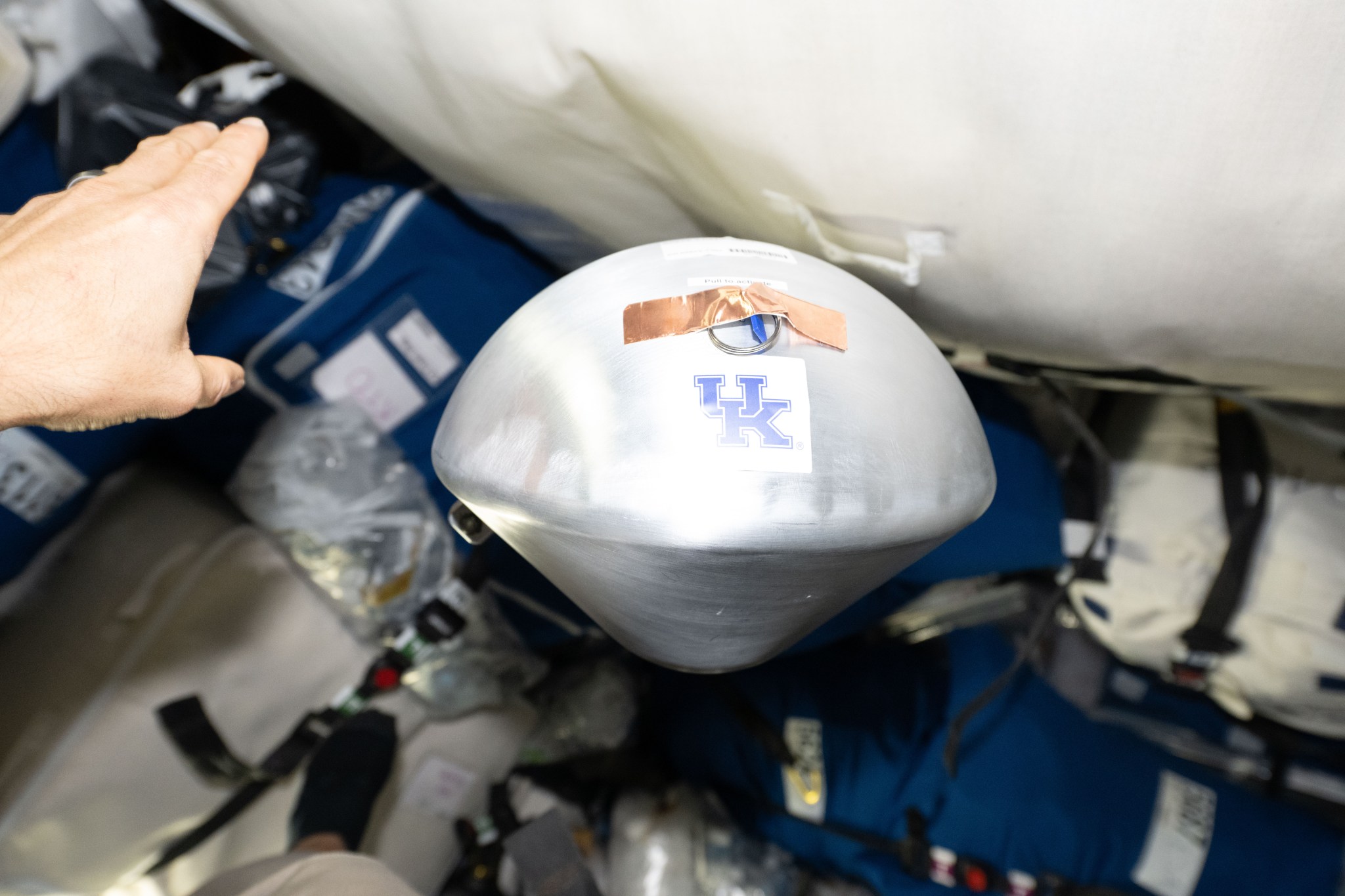
During a recent Northrop Grumman resupply mission, NASA didn't just send back empty containers. They packed twelve experimental capsules into the Cygnus spacecraft. When that ship finished its job at the International Space Station, it didn't just drift away; it became a testing ground for materials science. This is a classic founder move: utilizing a sunk cost—in this case, a vehicle already destined for atmospheric destruction—to run parallel experiments that would otherwise cost millions in dedicated launches.
The Re-entry Bottleneck
For those of us building in AI or crypto, we understand bottlenecks. In space, the bottleneck is heat. When a spacecraft hits the atmosphere at thousands of miles per hour, the friction creates temperatures that would melt most of the hardware we rely on. Currently, we use heavy, rigid, and expensive shields. They work, but they are inefficient for the high-volume transport we need if we are serious about being a multi-planetary species.
NASA's recent demonstration focuses on a variety of new materials and shapes. By deploying twelve different small-scale capsules, they are essentially A/B testing physics. Each capsule is equipped with sensors to track how different weaves of carbon fiber and new thermal protection systems (TPS) handle the brutal transition from the vacuum of space to the dense air of Earth.
Why Builders Should Care About Thermal Protection
You might wonder why a tech founder should care about heat shields. It comes down to the cost per kilogram. If the heat shield takes up 30% of your mass budget, you have 30% less room for sensors, computers, or humans. If we can innovate on materials—making them lighter, cheaper to manufacture, or even deployable (like inflatable shields)—the entire business model of space logistics changes.
This is where we see the overlap with AI. The data gathered from these twelve capsules isn't just for the history books; it’s for the simulators. NASA and its partners are using this real-world flight data to refine their digital twins. We are reaching a point where we can simulate thousands of re-entry scenarios before we ever cut a single piece of carbon fiber. For the builders in the audience, this is the ultimate proof of concept for high-fidelity data collection in extreme environments.
The Garbage-First Methodology
There is a lesson here in lean operations. NASA is using the 'trash' of the ISS—literally the waste generated by the crew—as the ballast for these tests. In a startup environment, we often wait for the 'perfect' testing conditions. We want the full budget, the clean room, and the ideal market conditions. NASA is proving that you can iterate faster by piggybacking on existing workflows.
The Cygnus spacecraft was already going to burn up. By adding these small, low-cost sensors and material samples, they turned a routine disposal into a high-value data event. If you are building a product, look for your 'Cygnus.' Look for the processes that are already happening in your stack and figure out how to extract data from them without adding significant overhead.
The Material Science Alpha
We often ignore the physical hardware layer when we get excited about software, but the next decade of tech growth is going to be dominated by materials science. Whether it’s chips that don't overheat or heat shields that can survive a return trip from Mars, the 'hard' in hardware is becoming the new frontier for venture capital and engineering talent.
The capsules in this test aren't just one-trick ponies. Some are testing how to keep the interior cool enough for biological samples, while others are testing structural integrity. This diversity of testing is exactly how you de-risk a moonshot. You don't bet the whole mission on one design; you send twelve variations and see which one survives the fire.
The Skeptic's Corner
While this is impressive, we have to be honest: space is still incredibly hard and expensive. A successful test of a small capsule doesn't mean we are ready to land a city on Mars tomorrow. Scaling these materials up to human-rated sizes introduces a whole new set of failure points. We’ve seen many 'next-gen' materials fail when they move from the lab to the launchpad. The real test will be if these materials can be mass-produced at a price point that makes commercial space flight viable for more than just billionaires.
Takeaway for the Future
NASA’s garbage-toss experiment is a masterclass in opportunistic R&D. By leveraging an existing mission to test new thermal solutions, they are shortening the feedback loop for deep space travel. For builders, the takeaway is clear: stop waiting for the perfect environment to test your hardest problems. Find a way to ride along with an existing process, collect the data, and iterate before the fire hits.
Space logistics is the next great infrastructure play. If we can solve the re-entry problem through material innovation and smart data collection, we aren't just sending trash back to Earth—we're clearing the path for a new era of manufacturing that happens off-planet.
Read the original at NASA Breaking News →