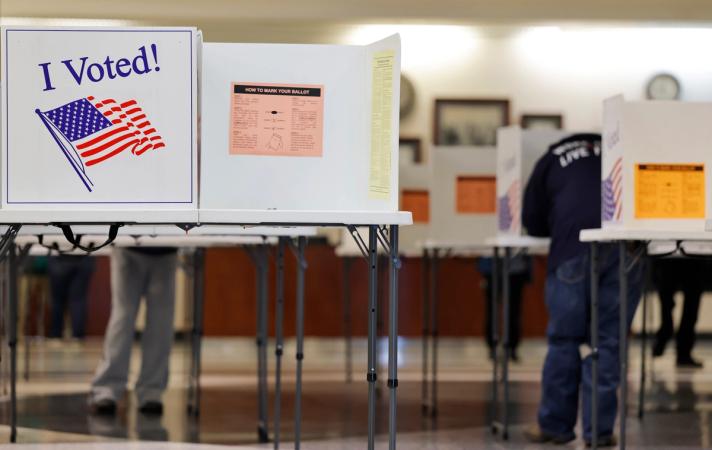
We have reached the point in the cycle where the noise usually drowns out the signal. The 2026 midterm elections are officially underway, and while the mainstream media focuses on the theater of it all, those of us building in the crypto and AI space are looking for something else: stability. The results tonight will determine who holds the keys to the House and Senate, but more importantly, they will dictate whether we get clear rules of the road or another two years of regulation by enforcement.
The Reality of a Divided House
As the first polls close, the tension isn't just about party lines. It is about the fundamental disconnect between the pace of technological development and the speed of the legislative process. Over the last two years, we have seen a lot of talk about consumer protection and American competitiveness. However, for a founder trying to launch a decentralized protocol or an open-source AI model, talk is cheap. The makeup of the next Congress will decide if the bills currently sitting in committee—those dealing with stablecoin frameworks and AI safety standards—will actually see the light of day.
If we see a significant shift in power, we might see a total reset on the progress made by bipartisan committees. For a builder, a reset is the worst-case scenario. It means another eighteen months of explaining what a consensus mechanism is to a new group of staffers who are more interested in soundbites than technical debt.
Why Builders Should Care About State-Level Results
While the headlines focus on the Senate, I am watching the state-wide seats. We have seen states like Wyoming and Texas become havens for infrastructure because they understood the value of local legal clarity when federal guidance was absent. If the 2026 results favor candidates who view local innovation as a political risk, we could see a tightening of the screws at the state level. This is where the friction usually starts—licensing requirements, local tax hurdles, and zoning laws that make it impossible to run a data center or a validator node.
- Policy Continuity: Are we keeping the committee chairs who actually understand the stack?
- Regulatory Tone: Will the next two years be defined by subpoenas or by sandbox programs?
- Jurisdictional Competition: Which states are signaling that they want to host the next wave of AI labs?
The AI Oversight Question
This is the first major election cycle where AI policy is a top-tier concern for legislators. We are moving past the initial panic of 2023 and 2024 into a phase where specific restrictions are being proposed. The candidates winning tonight will be the ones deciding if open-source model weights should be treated like classified information. From a founder's perspective, this is a dangerous crossroads. If the incoming class of representatives views AI solely through the lens of national security and fear, we will see the moat around big tech grow even larger.
I have spent a lot of time talking to developers who are worried that the "American way" of innovation is being traded for a bureaucratic system that mimics the worst parts of international over-regulation. The midterms are a litmus test for whether the U.S. wants to remain the default home for the builders or just a place that buys the products built elsewhere.
Skepticism as a Survival Tool
Don't be fooled by the post-election rallies or the sudden friendliness of candidates who haven't mentioned crypto or AI until their donors told them to. The reality is that most of these politicians are playing a game of catch-up. They are reacting to a world they don't fully inhabit. Our job as founders and technical leads is to maintain a healthy level of skepticism. A win for a "pro-tech" candidate doesn't mean the work is done; it just means the conversation might be slightly less hostile for a few months.
The biggest risk tonight isn't who wins or loses, but the possibility of a legislative stalemate that leaves us in legal limbo for another two years.
We have lived through the era of "wait and see." The industry has matured to the point where waiting is no longer an option. If the 2026 results lead to a gridlocked Congress, we will likely see more talent and capital move to jurisdictions that aren't waiting for a biennial election to decide how their legal systems should work.
The Takeaway for Founders
Ignore the hype, the red maps, and the blue maps. Instead, look at the individuals who end up on the Financial Services and Commerce committees. Those are the people who will actually impact your ability to raise a seed round or launch a beta. If the new class is populated by skeptics who equate privacy with criminality, you need to adjust your roadmap accordingly. If we see a shift toward pragmatism, you might finally be able to focus on your code rather than your legal counsel.
The 2026 midterms are a signal, not the final word. We build regardless of who sits in those chairs, but it is always better to build in an environment where the wind is at your back. Tonight, we find out if the wind is shifting or if we are in for another long slog against the current.
Read the original at CoinDesk →