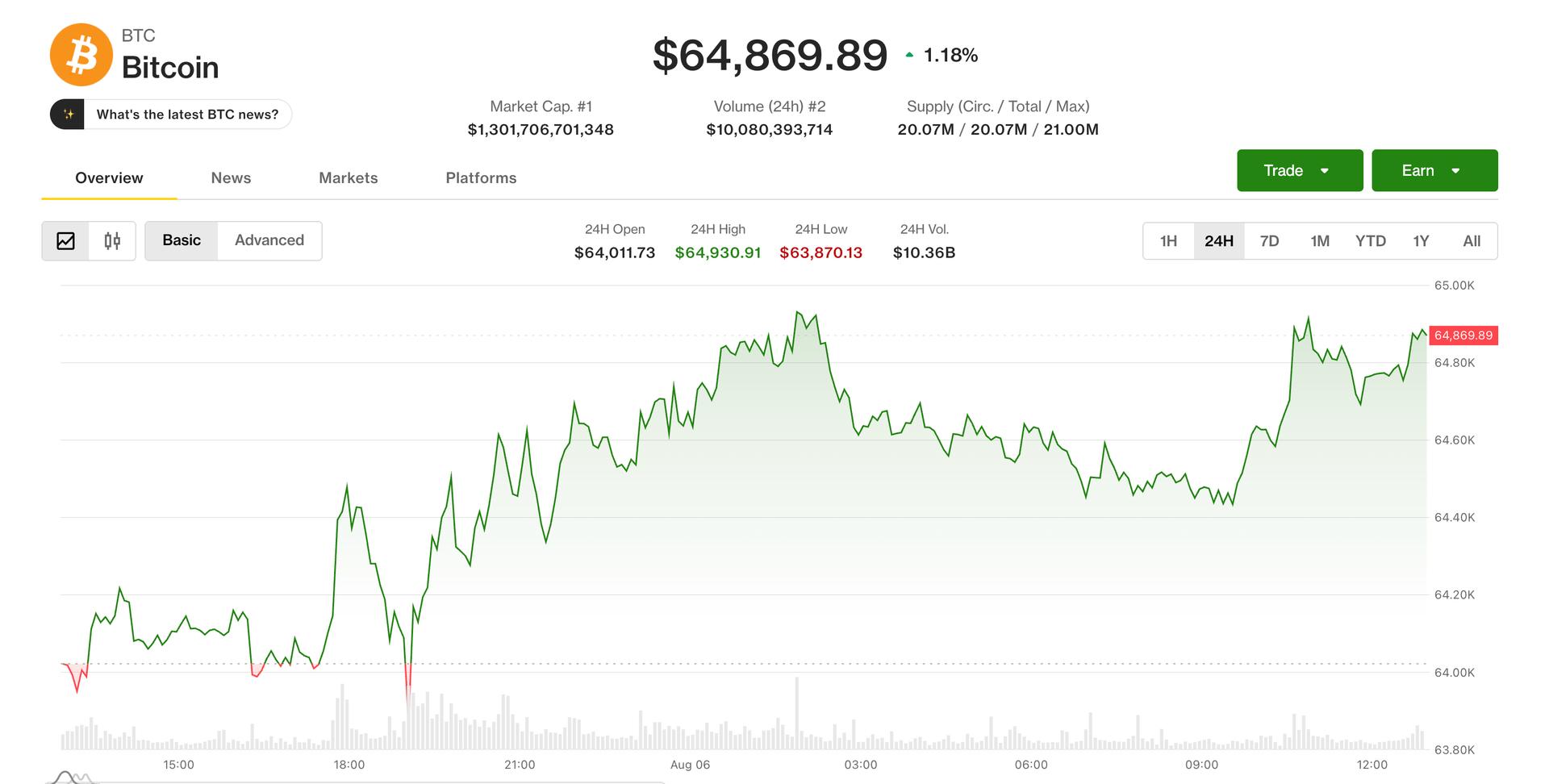
Security is a spectrum, but in crypto, it often feels like a binary choice between absolute safety and total vulnerability. We just saw another reminder of this as the entities behind the Coldcard exploit began moving significant chunks of capital into mixing services. We are talking about roughly 64 BTC and 200 ETH. In a market that finally feels like it has some legs, these movements are more than just a headline; they are a case study in the cat-and-mouse game of on-chain forensics.
The Illusion of Disappearing
When hackers hit a protocol or a hardware-adjacent service, their biggest problem isn't the theft itself. It is the exit. Public ledgers are the ultimate snitch. You can steal millions, but if you cannot move them to an exchange without getting flagged by Chainalysis or TRM Labs, you just have a very expensive collection of useless digits. This is why we see the reliance on mixers.
The recent activity involves the attackers shuffling funds into protocols designed to obfuscate the trail. The goal is simple: break the link between the source of the stolen funds and the eventual cash-out point. However, the efficacy of these mixers is under more scrutiny than ever. Government agencies have become incredibly proficient at peeling back the layers of these transactions, often by monitoring the entry and exit points with high precision. For the builders in this space, it is a reminder that the tools built for privacy are frequently the first place regulators look when they want to flex their oversight muscles.
What This Means for Founders
If you are building in the hardware or custody space, this story hits home. Coldcard has long been the darling of the bitcoin-only, maximum-security crowd. When the brand is associated with an exploit, regardless of the specific technical nuances of the breach, it shakes the foundation of trust. Founders need to realize that security isn't just about the code; it's about the lifecycle of the user's assets. When funds start moving toward mixers, the clock starts ticking on your reputation management.
We have to look at the scale of what is still sitting still. While 64 BTC and 200 ETH were moved, a massive portion of the stolen loot remains untouched in wallets that are being watched by every bounty hunter and intelligence firm in the industry. This suggests a few things. Either the attackers are disciplined and patient, or they are struggling to find enough liquidity in mixing pools to move the rest without causing massive slippage or drawing even more heat.
The Technical Reality of the Mix
Mixing isn't magic. It relies on a crowd. For a mixer to work, you need a high volume of legitimate or at least non-flagged users to provide the noise necessary to hide the signal. When a hacker dumps a large amount of stolen assets into a mixer, they often represent the majority of the pool's volume. This makes it significantly easier for investigators to use statistical analysis to guess which exit transaction belongs to the thief. It is a game of probability, and currently, the house usually wins.
For developers, this highlights the necessity of building better privacy primitives that don't rely on centralized or easily-targeted mixing services. The industry is moving toward zero-knowledge proofs and more sophisticated privacy layers, but we are not there yet. We are still in the era of blunt instruments, and those instruments are getting blunt-force trauma from law enforcement.
The Founder's Perspective on Custody
I have spoken to dozens of founders who are terrified of the liability associated with self-custody tools. If you build a tool that helps people hold their own keys, and that tool is exploited, you aren't just losing money; you are potentially facing a class-action nightmare and a permanent stain on your professional record. The movement of these funds into mixers is the final stage of that nightmare. It represents the point where the recovery of funds becomes statistically unlikely.
We need to be honest about the limitations of our current stack. Even the most respected names in the business are one exploit away from a crisis. The skepticism I hold isn't toward the technology itself, but toward the marketing that suggests these tools are infallible. They are not. They are built by humans, and humans make mistakes.
- Audit Frequency: If you aren't auditing your cold storage integrations every quarter, you are falling behind.
- Transparency: When funds move, be the first to report it. Do not let the on-chain sleuths on Twitter dictate the narrative.
- User Education: Teach your users that privacy tools are not a get-out-of-jail-free card for security lapses.
A Note on Ethics and Privacy
There is a fine line between advocating for financial privacy and enabling theft. As builders, we often find ourselves caught in the middle. We want to build tools that allow for anonymous transactions because we believe in the right to privacy. But when those same tools are the primary exit ramp for people who drain the life savings of users, it makes the moral high ground a lot harder to defend. The Coldcard situation is a perfect example of this tension.
The mixers being used are likely under intense surveillance. We've seen what happened with Tornado Cash and Sinbad. The infrastructure for moving illicit funds is shrinking. This might seem like a win for security, but it's a double-edged sword. If the only people who can use privacy tools are hackers, then privacy itself becomes a red flag. That is a dangerous place for the industry to be.
The Long Game
The attackers will likely continue to drip-feed these assets into different services over the coming months. They are playing a long game of attrition, hoping that the industry's attention span will fade and they can eventually exit into a less-regulated jurisdiction. But the blockchain doesn't forget. Those addresses are burned into the public record forever.
My takeaway for the builders reading this: do not assume your "unhackable" solution is safe. The moment you stop being skeptical of your own security is the moment you become the next headline. Watch these wallet movements not just as a spectator, but as a student. Understand how the funds are being layered. Look at the obfuscation techniques. Then, go back to your own codebase and assume someone is already trying to do the same to you.
The transparency of the blockchain is its greatest feature and its most brutal vulnerability. You cannot have one without the other.
We are going to see more of this. As the price of BTC and ETH climbs, the incentive to crack even the most secure hardware grows exponentially. Stay paranoid, keep your heads down, and keep building for the worst-case scenario. Because in this industry, the worst-case scenario isn't a possibility—it's an eventuality.
Read the original at Cointelegraph →