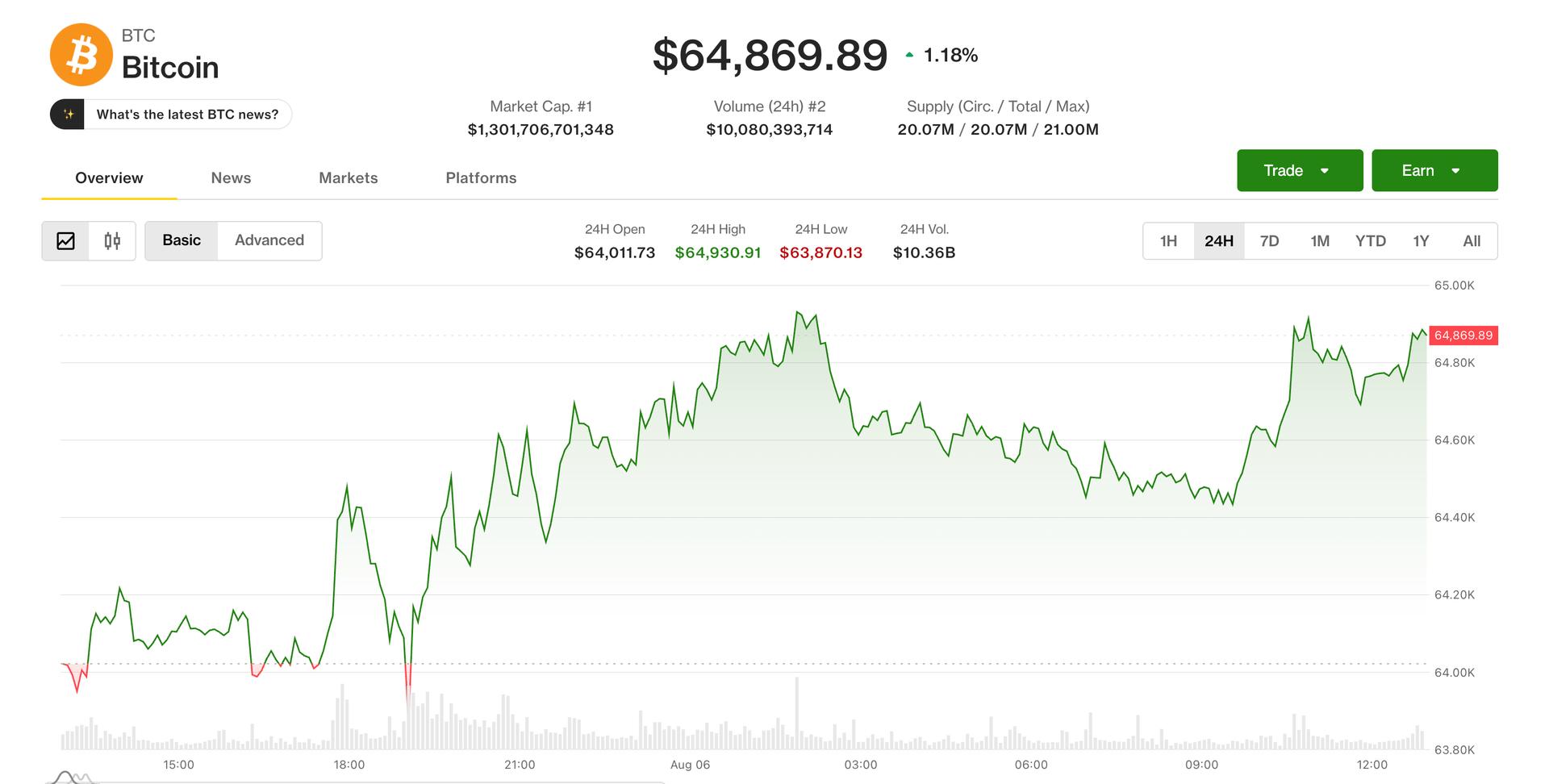
We have reached the point in the cycle where the boundaries between different asset classes are starting to dissolve. Coinbase, a company that built its brand as the gateway to the crypto economy, is now leaning hard into traditional finance. They recently rolled out 24/5 U.S. stock trading for their UK users. If you are a founder or a builder in this space, you need to pay attention, because this isn't just a product update. It is a fundamental shift in how the industry views the wallet.
The Multi-Asset Reality
For years, we have lived in two separate worlds. You had your traditional brokerage for your boring index funds and blue-chip stocks, and you had your crypto exchange for the high-volatility stuff. Coinbase is betting that users are tired of the friction. By bringing U.S. equities into their UK app, they are effectively trying to become a one-stop shop for all things wealth. This is the 'Everything Exchange' strategy in action.
Keith Grose, the CEO of Coinbase UK, mentioned that this move is about bridging the gap between traditional finance and the onchain world. From a founder's perspective, this is a play for retention. If a user can buy Nvidia shares and Bitcoin in the same interface, they have one less reason to move their capital elsewhere. It lowers the barrier to entry for the average retail user who might be intimidated by the purely decentralized side of things but still wants the convenience of a modern interface.
Building for the Hybrid Future
For those of us building products in the AI and crypto sectors, this move by Coinbase serves as a blueprint. We often talk about 'onboarding the next billion users,' but we usually think that means teaching them how to use a seed phrase. Coinbase is taking a different route. They are meeting users where they already are—in the equity markets—and slowly pulling them into the crypto ecosystem.
As builders, we should be asking how our tools can interface with traditional systems rather than just trying to replace them overnight. If you are building a DeFi protocol, consider how it might look when wrapped in a package that a stock trader understands. The future isn't purely onchain; it is a hybrid of legacy speed and modern transparency. Coinbase is prioritizing the user experience over ideological purity, and while that might annoy some decentralization maximalists, it is the most pragmatic way to scale a business.
Regulatory Arbitrage and Market Timing
It is no coincidence that this launch is happening in the UK first. The regulatory climate there, while strict, has provided a clearer framework for firms to experiment with multi-asset offerings. By starting outside the U.S., Coinbase can battle-test this infrastructure before potentially bringing it home to a more complicated domestic regulatory environment.
This should be a signal to builders: the geography of your launch matters as much as the code you write. The UK is positioning itself as a hub where these two worlds can meet, and Coinbase is taking full advantage of that. If you are developing a fintech product, you have to look at where the rules allow for this kind of cross-pollination. Building in a vacuum without considering the local legal landscape is a recipe for a very expensive failure.
The Technical Hurdle of 24/5 Trading
One of the most interesting aspects of this launch is the 24/5 nature of the trading. Traditional stock markets have notoriously rigid hours. By offering extended access, Coinbase is applying a crypto mindset to a legacy system. Crypto never sleeps, and now, they are trying to make sure the equity markets don't either—at least for five days a week.
From an engineering standpoint, this requires robust liquidity providers and a backend that can handle the reconciliation between the fast-moving crypto world and the T+1 or T+2 settlement cycles of the stock market. This is where the real innovation lies. It isn't just about the UI; it's about the plumbing that allows these two very different financial architectures to talk to each other without breaking.
What This Means for the 'Wallet as an Identity'
If Coinbase succeeds in becoming the primary hub for both stocks and crypto, the nature of the 'wallet' changes. It stops being a place where you hold tokens and starts being your financial identity. This is where AI starts to play a massive role. Imagine an AI assistant within the Coinbase app that manages a portfolio consisting of both tech stocks and decentralized autonomous organization tokens, optimizing for tax efficiency and risk across both sectors.
For builders, the opportunity is in the middleware. How do we create the tools that allow for cross-asset analysis? How do we build data layers that track a user's total net worth across these silos? The 'Everything Exchange' needs an 'Everything Analytics' layer to go with it. We should be looking at the data gaps that occur when a user moves from an equity position into a liquidity pool.
Final Thoughts for Founders
- User convenience wins: Users don't care about the underlying tech as much as they care about not having to log into five different apps.
- Hybrid models are the current meta: Bridging legacy finance with onchain assets is currently a more viable business model than trying to force users into a 100% decentralized environment.
- Watch the UK: The regulatory environment there is acting as a sandbox for the future of global finance.
Coinbase is moving away from being a 'crypto company' and toward being a global financial powerhouse. It is a logical evolution, but it also means the competition is no longer just Kraken or Binance—it is Robinhood, Revolut, and the big banks. For builders, this means the bar for quality and compliance just got a lot higher. If you want to compete in this new landscape, you can't just be good at crypto; you have to be good at finance.
The shift from a crypto exchange to an everything exchange isn't just a strategy; it's a survival tactic in an increasingly crowded market.
We are watching the walls come down. The question for us as builders is whether we are going to build the tools that facilitate this merger or get left behind in the silos of the past. Coinbase has made its move. Now, it is up to the rest of the ecosystem to figure out how to provide the decentralized alternatives or the infrastructure that makes this hybrid world work efficiently.
Read the original at The Block →