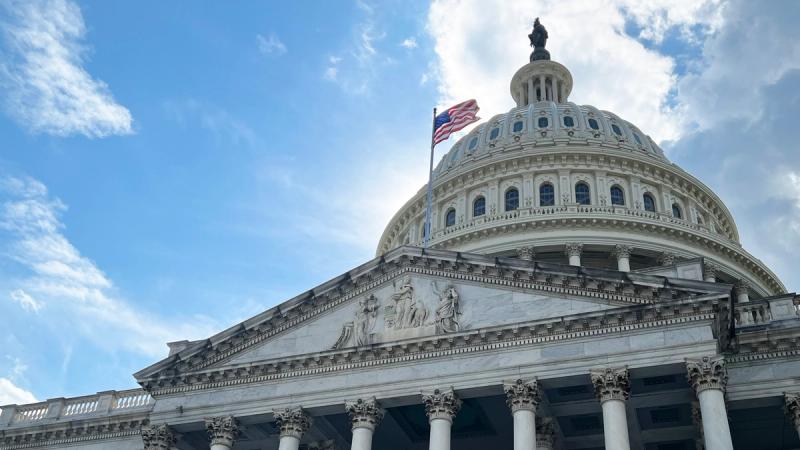
We have reached a weird crossroads in the digital asset space. For years, founders have been begging for a rulebook. The promise of the Clarity Act was exactly that—a definitive map that would finally separate commodities from securities and tell us who is allowed to build what without getting a knock on the door from the SEC. But the Act stalled out. It failed to cross the finish line, and now we are left staring at the wreckage.
As a founder, your first instinct might be frustration. It is exhausting to build in an environment where the ground is constantly shifting. But after talking to policy experts and looking at the current landscape, the failure of this specific legislation is not just a setback; it is a signal. It tells us that the era of waiting for a single, clean legislative solution is over. We are moving into a period of fragmented progress, where innovation happens not because of the law, but in the gaps left by the lack of it.
The Incumbent Shield
One of the most interesting side effects of legislative gridlock is how it benefits the big players. If you are a massive financial institution—think the BlackRocks or JPMorgans of the world—you do not actually need a new bill to tell you how to operate. You have the legal teams and the capital to navigate existing, murky regulations. In fact, a lack of clear rules can act as a moat.
When the rules are fuzzy, the risk of entry is high. Small startups cannot afford to spend millions on legal discovery just to find out if their tokenized project is compliant. Big banks can. By failing to pass the Clarity Act, the government has inadvertently handed a massive advantage to incumbents. They can continue to roll out private blockchains and institutional tokenization projects while the smaller, more disruptive DeFi projects remain paralyzed by legal uncertainty.
For builders, this means the playing field is not just unlevel; it is actively tilting toward the old guard. If you are building a product that competes directly with a legacy financial service, you are now operating in their backyard, under their rules, without the protection of a new legal framework that might have favored decentralization.
DeFi in the Shadows
Despite the lack of a federal framework, the demand for decentralized finance has not gone away. If anything, the failure of the Clarity Act will force DeFi back into its original, more radical roots. We are seeing a split. On one side, you have "compliant DeFi," which is essentially just a digital version of traditional banking. On the other, you have the truly permissionless builders who are deciding that if the law will not provide clarity, they will simply build around it.
This is where the real innovation happens, but it comes with a high price. Without the spot-market oversight that the Clarity Act would have established, we are still living in a world of regulation-by-enforcement. The SEC is not going to stop filing lawsuits just because Congress failed to act. If anything, they will feel emboldened to continue their current path.
The Tokenization Loophole
Interestingly, some executives believe the failure of this bill might actually accelerate specific niches like tokenization. Because there is no new, overarching law, developers are doubling down on existing structures. Real-world assets (RWAs) are being shoehorned into old securities laws because there is no other choice. It is clunky, it is expensive, and it limits the tech, but it is a path that exists right now.
For a founder, this is a lesson in pragmatism. You cannot wait for the perfect legal environment. You have to build for the world as it is, not as it should be. The builders who are winning right now are the ones who are taking the old, boring legal frameworks and finding creative ways to digitize them, rather than waiting for a revolutionary new law that might never come.
The Oversight Vacuum
The biggest problem left behind by this failure is the lack of spot-market oversight. This is the stuff that affects every retail user. Without a clear mandate for which agency oversees which asset, we remain in a state of jurisdictional turf wars. The CFTC and the SEC will continue to fight over the same ground, and the industry will continue to be the collateral damage.
For those of us in the crypto and AI space, this means the risk of a sudden, industry-wide shock remains high. A single court ruling or a change in agency leadership can completely flip the script on what is considered legal. This makes long-term planning nearly impossible. You cannot build a five-year roadmap when the legal status of your core product could change in six months.
What This Means for Builders
So, where does this leave us? If you are a founder, you need to change your perspective on regulation. Stop looking at it as a hurdle that will eventually be removed. Start looking at it as a permanent environmental condition, like the weather.
- Focus on utility over speculation: The more your project looks like a productive tool and less like a speculative financial instrument, the safer you are in a murky legal environment.
- Watch the incumbents: If you see a major bank moving into a specific niche, it probably means they have found a legal pathway. Pay attention to how they are structuring their deals.
- Build for resilience: Do not rely on a single regulatory assumption. If your entire business model collapses if a specific bill doesn't pass, you aren't building a business; you're gambling.
The failure of the Clarity Act is a wake-up call. The government is not coming to save us with a neat set of rules. The future of crypto will be built in the gray areas, by people who are comfortable with ambiguity and who are willing to navigate a landscape that favors the big guys. It is not the outcome many hoped for, but it is the reality we have to deal with. The builders who survive will be the ones who stop complaining about the lack of clarity and start building in the fog anyway.
Read the original at CoinDesk →