We are witnessing a quiet but massive shift in how the plumbing of finance works. For years, there was a hard wall between how you traded Bitcoin and how you traded Apple. If you were in crypto, you used perpetual futures. If you were in stocks, you used dated options or standard margin. That wall just got a sledgehammer taken to it.
The Crossover Nobody Saw Coming
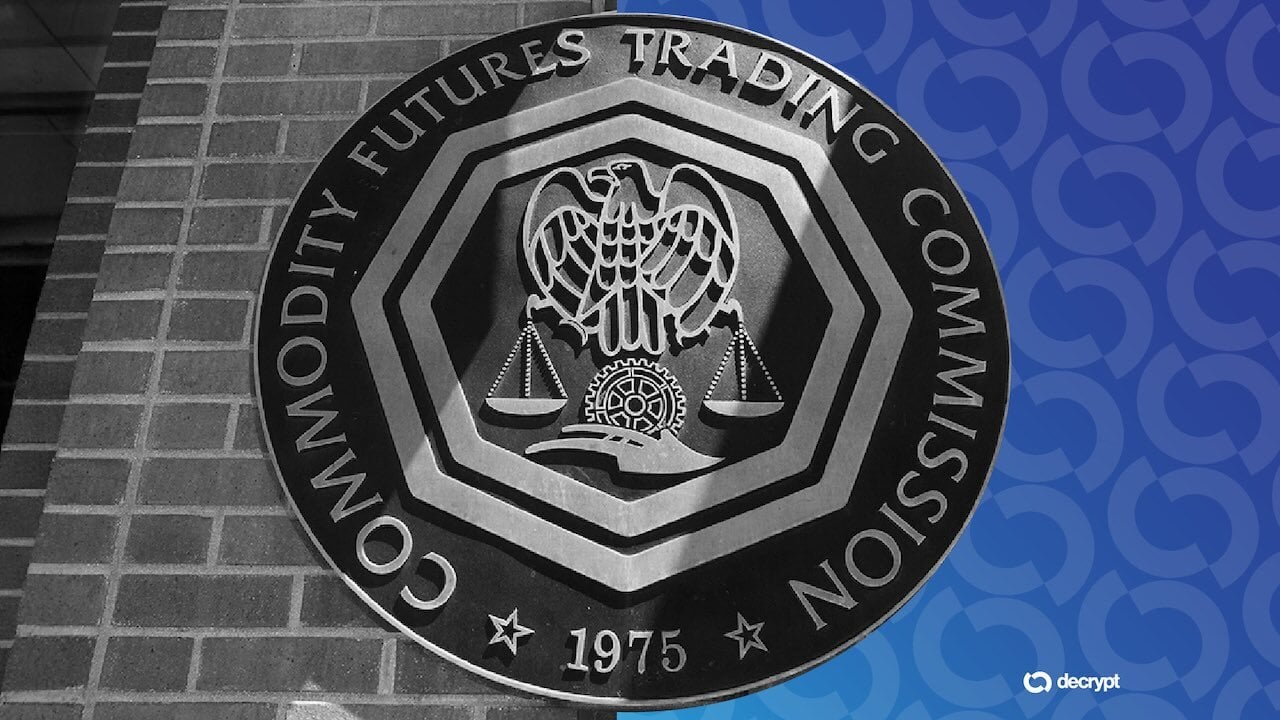
The Commodity Futures Trading Commission (CFTC) recently signaled a major green light, allowing equity perpetual futures to trade on regulated U.S. exchanges. If you aren't familiar with the term, 'perps' are the lifeblood of crypto trading. They are derivatives that let you bet on price movements without ever owning the underlying asset and, crucially, they never expire.
In the traditional world, futures have expiration dates. You have to roll your position over to the next month, which involves fees and logistical headaches. Perpetuals solved this in the crypto world through a mechanism called a funding rate. If too many people are long, they pay the shorts to keep the price aligned with the spot market. It is elegant, it is efficient, and until now, it was basically illegal for U.S. equities.
What This Means for Builders
If you are building in the fintech or DeFi space, this is a massive signal. It means the regulators are no longer just tolerating crypto mechanics; they are adopting them. We often talk about 'bringing the real world to the blockchain,' but this is the opposite. This is bringing crypto native architecture to the legacy markets.
For founders, the opportunity here is in the infrastructure. We are going to need new risk management tools, new interfaces, and new settlement layers that can handle the 24/7 nature of perpetual-style trading applied to stocks that traditionally only trade during banking hours. The friction between a market that sleeps (NYSE) and a derivative that doesn't (perpetuals) is where the next billion-dollar startup will be born.
The High-Stakes Gamble
I am always a bit skeptical when high-leverage tools move into the mainstream. Perpetual futures are famous for 'liquidations.' In crypto, when the market dips 5%, thousands of over-leveraged traders get wiped out instantly by automated engines. When you apply that to a stock like Tesla or Nvidia, you are introducing a level of volatility and systemic risk that the traditional equity market hasn't fully digested yet.
The CFTC's move suggests they believe the guardrails are ready. By allowing these instruments on registered exchanges, they are trying to bring the 'Wild West' of offshore crypto trading into a regulated environment. It is an acknowledgment that traders want this product, and if the U.S. doesn't offer it, they will just go to an unregulated offshore exchange to find it.
Bridging the Liquidity Gap
One of the biggest pain points for builders has been the fragmented nature of liquidity. You have crypto liquidity in one bucket and stock liquidity in another. Equity perps act as a bridge. They allow for a more capital-efficient way to hedge positions across different asset classes.
Think about a founder who is heavy in AI tokens but wants to hedge against a downturn in the semiconductor sector. Currently, that requires jumping through multiple hoops and dealing with different clearing houses. In a world of equity perps, that hedge becomes a single-click operation on a unified platform. This is the 'holy grail' of the unified ledger, even if it’s happening in the regulated space first.
A Founder's Perspective on Regulation
We often complain about the CFTC and the SEC being slow, but this move is surprisingly forward-thinking. By integrating crypto-native instruments into the legacy framework, they are effectively validating the last decade of DeFi innovation. They aren't saying 'crypto is the future,' but they are admitting that crypto's tools are superior to the ones we've been using since the 1970s.
However, don't mistake this for a free-for-all. The compliance requirements for these exchanges will be grueling. If you are a builder looking to enter this space, your biggest hire isn't going to be a developer; it's going to be a top-tier compliance officer. The CFTC is opening the door, but they are standing there with a clipboard and a very long list of rules.
The Long Game
Ultimately, this isn't just about trading stocks with more leverage. It's about the convergence of two parallel financial universes. The tech stack of crypto is winning, even if the assets themselves remain controversial. As a builder, you should be looking at every traditional financial product—bonds, real estate, commodities—and asking: 'How does this look as a perpetual?'
The convergence of crypto mechanics and traditional equities isn't just a new product launch; it's a total rewrite of market infrastructure.
The takeaway for the industry is clear: the barrier between 'crypto' and 'finance' is evaporating. If you are still thinking about these as two separate worlds, you are already behind. The future is a single, global, perpetual market for everything.
Read the original at Decrypt →