If you have spent more than ten minutes in the tech world, you have heard the gospel of OKRs. Objectives and Key Results. It is the supposed secret sauce that took Google from a garage to a global hegemon. Every venture capitalist and management consultant treats it like a holy text. If it is not working for your startup, the feedback is always the same: you did not do it right.
The Definition of Insanity
I have seen founders try and fail to implement OKRs multiple times. They hire the consultants. They read the books. They spend three weeks of every quarter debating whether a metric is a 'result' or a 'task.' They get their team to buy in, only for the whole system to collapse into a pile of neglected spreadsheets by week six. When they ask for help, the community shames them. They are told they were not ambitious enough, or too ambitious, or that they did not cascade the goals properly.
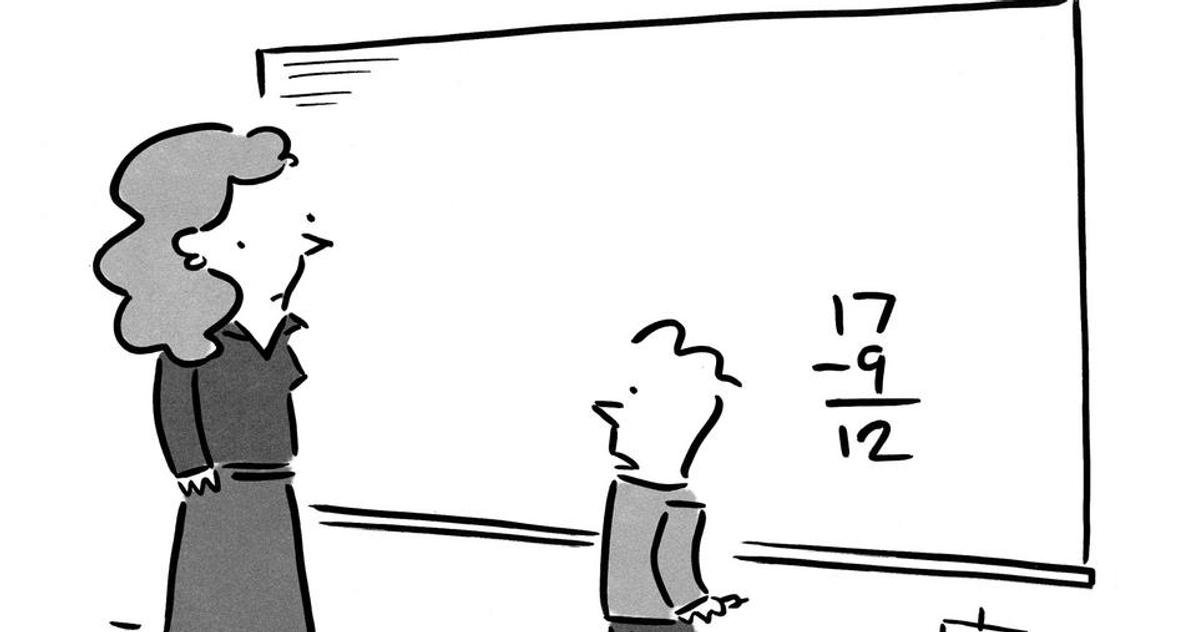
After four or five failed attempts, we have to stop blaming the user. In any other product category, if a user fails to get value from a tool five times, we call the tool bad. In management, we call the user incompetent. For builders in the crypto and AI space, where speed is the only real currency, this obsession with rigid frameworks is a silent killer.
The Cult of the Framework
The problem with OKRs, and many similar systems, is that they were built for stable environments. They assume you can predict what matters three months from now. In the current market, three months is an eternity. An AI breakthrough or a regulatory shift in crypto can make your 'Objectives' obsolete by Tuesday afternoon.
When a framework fails, the proponents argue that you simply lacked the discipline to see it through. They treat it like a diet. If you didn't lose weight, you must have cheated on the calories. But startups are not human bodies; they are volatile experiments. A framework that requires total organizational rigidness to function is a liability, not an asset.
Why Builders Struggle with Top-Down Logic
Founders are naturally intuitive. We operate on a mix of data and gut feeling. OKRs attempt to strip the gut feeling out of the process and replace it with a mechanical hierarchy. This creates a friction point that most teams never overcome.
- The Overhead Cost: The sheer amount of time required to define 'perfect' OKRs often exceeds the time it would take to just build the feature.
- Metric Gaming: Once you tell a developer their bonus or performance review is tied to a specific 'Key Result,' they will optimize for that number, even if it hurts the product.
- False Certainty: These systems give you a sense of control that does not actually exist. It feels like you are steering the ship, but you are really just staring at the compass while the boat hits an iceberg.
Finding Your Own North Star
So, if OKRs are not the answer, what is? The answer is not 'no framework.' Chaos does not scale. The answer is finding a system that matches your specific culture and the speed of your industry. You need a way to communicate what matters without drowning in the bureaucracy of 'how' to communicate it.
For some teams, that might be a simple weekly heartbeat. For others, it is a rolling 30-day roadmap. The key is to stop trying to fit a square peg into a round hole just because a billionaire at a big tech firm wrote a foreword for a book about it. If you have tried a management style three times and it has failed to make your company better, it is not your fault. It is just the wrong tool for the job.
The Founder's Takeaway
We need to get comfortable with the idea that 'best practices' are often just 'common practices.' Just because every unicorn in the valley claims to use a specific methodology doesn't mean they actually do, and it certainly doesn't mean it will work for a ten-person team trying to ship a protocol in a month.
Stop apologizing for not 'doing it right.' If a system doesn't provide clarity, focus, and speed, discard it. Your job is to build a product that people want, not to become a world-class practitioner of a management philosophy that was designed for a 1990s search engine company. Trust your team, simplify your goals, and stop letting consultants tell you that your failure to adopt their complex rituals is a moral failing.
Read the original at A Smart Bear →