The Sudden Pivot to Energy Neutrality
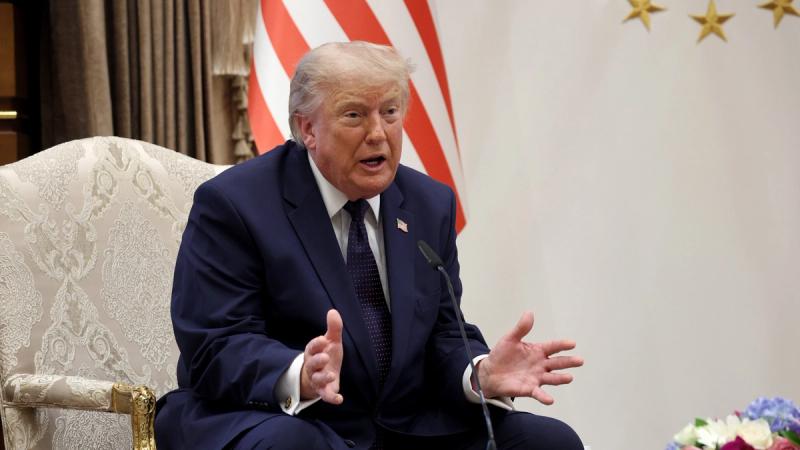
In a move that caught most of the geopolitical world off guard, the current administration has proposed an energy ceasefire between Russia and Ukraine. While the diplomatic implications are the primary focus for traditional news outlets, for those of us building in the decentralized space, this is an infrastructure story first and a political story second. The reality is that war is expensive, but the destruction of energy capacity is what truly cripples modern economies. President Zelensky’s cautious openness to the idea suggests that everyone is tired of the lights flickering.
For years, the conflict has acted as a massive weight on the European power grid. When pipelines are threatened and plants are shelled, the ripples are felt across the global market. We’ve seen a mass exodus of industrial operations from the region, including high-compute sectors like mining and data processing. A ceasefire specifically targeting energy assets doesn't just stop the bleeding; it potentially reintroduces a massive amount of base-load power back into a starving market.
What It Means for the Global Hash Rate
From a founder’s perspective, especially if you’re operating in the mining space, stability is more valuable than cheap power. Russia has long been a dark horse in the mining world, leveraging its vast, cold terrain and surplus energy to host massive farms. The war forced many of these operations into the shadows or into relocation. If an energy ceasefire holds, we might see a resurgence of eastern European compute power.
However, I’m skeptical. A ceasefire on energy infrastructure is not the same as a return to a unified global market. Even if the attacks stop, the sanctions and the trust deficit remain. Builders shouldn't expect a sudden flood of cheap electricity to fix their overhead overnight. What this does do, however, is provide a baseline for planning. If we know the grid isn't going to be bombed tomorrow, long-term capital expenditure in the region starts to look less like a gamble and more like a calculated risk.
The American Perspective: A Strategic Shift
The U.S. has been the primary beneficiary of European energy instability, at least in terms of attracting builders who want physical security for their hardware. If the conflict in the East cools down, the U.S. loses a bit of that "safe haven" premium. We’ve seen American states like Texas and Wyoming thrive because they offer what Ukraine and Russia currently cannot: predictability.
If I’m running a data center today, I’m watching this closely. A ceasefire could lead to a re-balancing of the global hash rate. We’ve spent the last two years seeing compute power consolidate in North America. A stabilized European grid might finally allow for the geographic decentralization that the network actually needs to be resilient. Relying on a single jurisdiction, even one as favorable as the U.S., is a central point of failure.
The Logistics of a Truce
Zelensky’s response was telling. He called the news a surprise but admitted that if the other side stops hitting the grid, Ukraine will follow suit. This isn't about ideology; it's about survival. For builders in the AI and crypto sectors, this is a reminder that our entire industry sits on top of a physical layer of copper, turbines, and transformers. When those are fair game in a war, the digital economy suffers.
We need to look at the technical debt this war has created. Even with a ceasefire, the grid in that part of the world is decimated. A formal agreement to stop the destruction is just step one. The real work—and the real opportunity for infrastructure founders—lies in the reconstruction. We are looking at a multi-billion dollar opportunity to build smarter, more modular power solutions that aren't as vulnerable to centralized attacks.
Founders: Don't Get Distracted by the Headlines
It’s easy to get caught up in the drama of two presidents talking through the media. But as a founder, your job is to filter the noise. The core takeaway here is that energy is being recognized as the ultimate leverage. If the U.S. administration is prioritizing an energy ceasefire, it confirms that power capacity is the most important commodity of the 21st century. It’s more important than currency, and it’s certainly more important than political posturing.
If you are building something that requires high energy consumption—whether that’s a new L1, an LLM, or a hardware play—your primary risk factor is no longer just regulation; it's geopolitical stability. This ceasefire proposal is an admission that the current path is unsustainable for the global economy. It’s an attempt to put the genie back in the bottle before the energy crunch causes a total systemic collapse in Europe.
The Long-Term View
I don't expect this to be a smooth process. Ceasefires are fragile, and energy infrastructure is a high-value target that’s hard to protect. But the fact that this conversation is happening at the highest levels of government shows that the pressure is working. The world needs the lights to stay on to keep the digital wheels turning.
For those of us in the trenches, the strategy remains the same: diversify your infrastructure. Don't put all your nodes in one basket. Whether this ceasefire holds or not, the era of taking cheap, stable energy for granted is over. We are entering a period where builders have to be as savvy about power purchase agreements and grid resilience as they are about their codebases.
The move toward an energy ceasefire is less about peace and more about preserving the fundamental infrastructure that allows the modern world to function.
Ultimately, this is a win for the network if it leads to more distributed compute. But until the first winter passes without a major grid failure in the region, I’d keep my hardware in stable jurisdictions. The promise of a ceasefire is a good headline, but builders need to see the actual watts flowing before they move their chips back into the fray.
Takeaway for Builders
- Watch the hash rate distribution; a ceasefire could signal a shift back toward Eastern European dominance.
- Energy is now the primary geopolitical tool; factor this into your long-term scaling costs.
- Decentralized infrastructure is the only real hedge against grid instability and state-level conflict.
Read the original at CoinDesk →