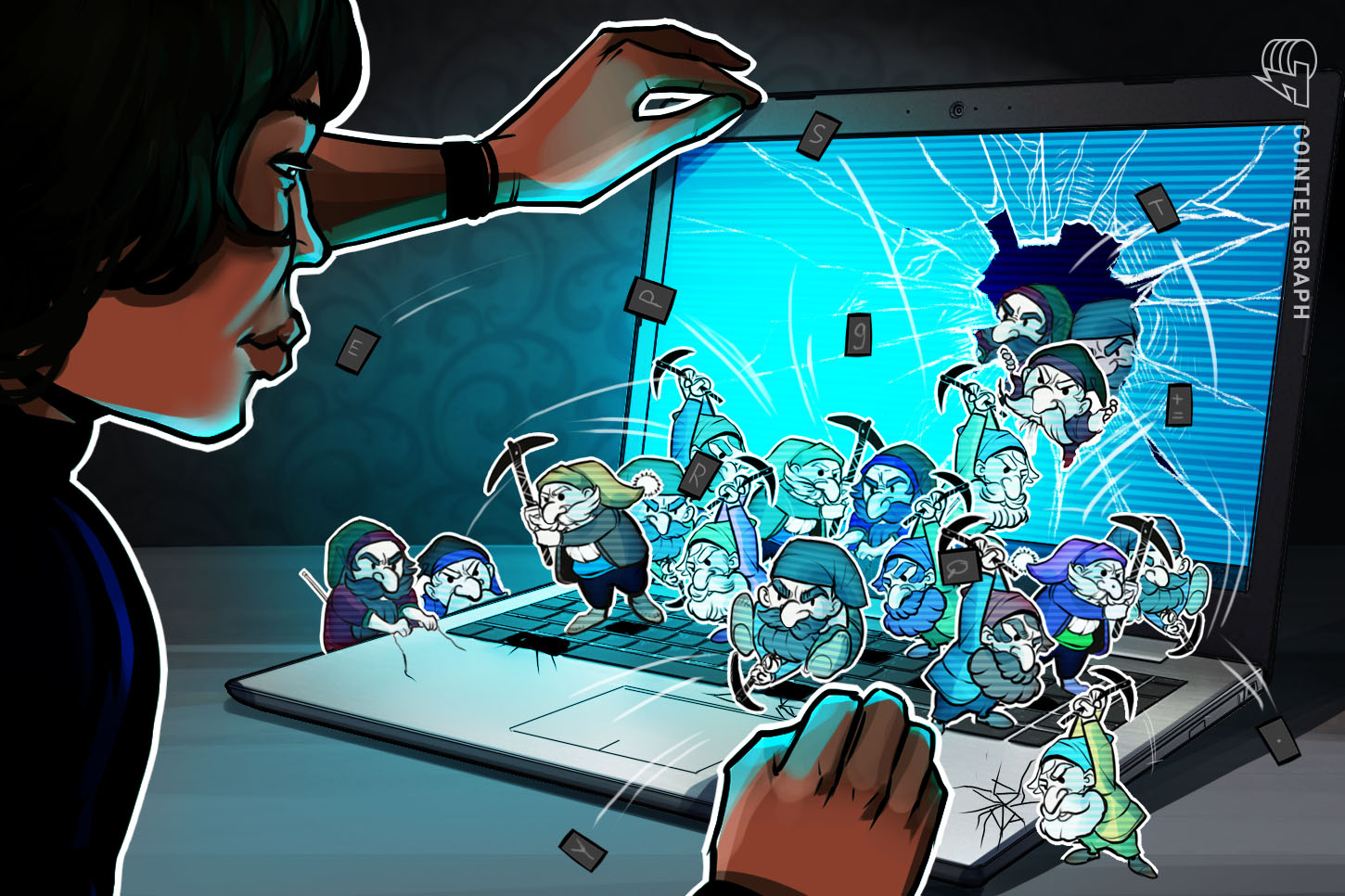
We talk a lot about the 'code is law' mantra in this industry, but the reality is usually closer to 'code is law until the money is at risk.' Last week, the XRP Ledger (XRPL) community got a cold reminder of how thin that line actually is. A critical vulnerability was discovered that could have allowed for the unlimited minting of XRP. The fix was pushed fast, it was pushed hard, and now the Foundation is on the defensive about how it all went down.
The Bug That Could Have Broken Everything
Let's get the technical anxiety out of the way first. The bug wasn't a minor glitch in the UI. It was a fundamental flaw in the ledger's logic that would have permitted an attacker to generate new tokens out of thin air. In a world of fixed supplies and hard caps, that is the ultimate nightmare scenario. If you can print the money, the money becomes worthless. Simple math.
When the developers realized the scope of the problem, they didn't wait for a month-long governance debate. They issued an emergency patch. This is where the friction starts. For those who believe in pure decentralization, the speed and manner in which the patch was distributed felt a little too much like a top-down mandate. The XRP Ledger Foundation, however, is standing its ground, arguing that when the house is on fire, you don't call a committee meeting to decide which fire extinguisher to use.
The Governance Illusion
For builders, this story is a case study in the tension between agility and philosophy. We all love the idea of a headless, ownerless network. But when a catastrophic bug is live, you need leadership. The Foundation's defense is straightforward: they provided the code, and the validators chose to run it. In their view, they didn't force anything; they simply gave the network the only viable tool for survival.
But we have to be honest about the power dynamics here. If the primary developers of a chain release an emergency security update, a validator who refuses to install it is effectively committing suicide. They would be left on an insecure, potentially inflating chain while the rest of the world moves forward. It is a choice, sure, but it is a choice made with a gun to the head. This isn't necessarily a bad thing, but we should stop pretending it's a purely democratic process.
What This Means for Founders
If you are building on XRPL or any similar L1, you have to factor in this human element. You aren't just building on code; you are building on a social contract between developers and node operators. The security of your application depends on these midnight patches. The trade-off is that you are trusting a small group of people to identify and fix these issues before the general public finds them.
I have seen founders get burned by relying too heavily on the 'decentralized' tag as a shield. Real decentralization is slow. It is messy. It is often inefficient. When a network shows it can move this fast, it proves it has a centralized point of failure—or at least a centralized point of coordination. As a builder, you need to decide if that coordination gives you peace of mind or makes you nervous about future censorship or protocol changes.
Transparency vs. Panic
One of the biggest criticisms leveled at the Foundation was the lack of immediate public disclosure. Again, this is a founder's dilemma. If you announce a bug before the patch is ready, you are literally giving hackers a roadmap to destroy you. If you wait until after the patch to explain what happened, you look like you're hiding something.
The XRPL team opted for the latter. They prioritized the health of the ledger over the optics of the process. From a pragmatic standpoint, they were right. A PR crisis is better than a total collapse of the XRP token's value. However, the pushback they are receiving now shows that the community’s trust is fragile. You can only pull the 'emergency' lever so many times before people start questioning who really holds the keys to the kingdom.
The Technical Debt of Legacy Chains
XRPL isn't the new kid on the block anymore. It has a lot of legacy code and a massive market cap. This makes every update a high-stakes surgery. Unlike a new DeFi protocol that can just 'pause' its contracts, a global settlement layer has to stay live 24/7. This bug highlights the reality that even the most established players are still working through technical debt that could be catastrophic.
As we integrate more AI into code auditing, we might see these bugs caught earlier, but for now, we are still relying on human eyes and quick reflexes. The fact that this bug existed at all should be a wake-up call for anyone who thinks the 'big' chains are finished products. They are all works in progress, and they are all one bad line of code away from a crisis.
The Reality Check
We need to stop using 'decentralized' as a binary term. It’s a spectrum. The XRPL incident proves that in moments of extreme stress, the spectrum shifts toward centralization for the sake of survival. The Foundation didn't 'force' a patch in the literal sense of hacking the validators, but they exerted the kind of soft power that makes decentralization feel like a polite suggestion rather than a hard rule.
For the average user, the takeaway is that their funds are safe because the developers acted quickly. For the builder, the takeaway is more complex: you are building on a platform where a few people still make the big calls when it counts. If you can live with that, the network is stronger today than it was yesterday. If you can't, you might need to rethink your stack.
The ultimate test of a network isn't how it functions when things are going well, but how it reacts when the fundamental rules of its economy are threatened.
In the end, the XRP Ledger Foundation did what any responsible steward would do. They saved the network. But in doing so, they pulled back the curtain on the power structures that really run the show. We should thank them for the fix, but we shouldn't forget how it was delivered.
Read the original at Cointelegraph →