The Identity Funding Machine
Sam Altman’s World Foundation just secured another $52.5 million through a locked token sale. Led by Pantera Capital with participation from Bain Capital Crypto, this round isn't just a vote of confidence in a biometric database; it is a massive bet on the infrastructure needed to separate humans from machines in an increasingly automated world. The tokens sold come with a one-year lock-up, signaling that the big players are willing to sit through the volatility to see if this identity protocol can actually take root.
If you have been following the project since its rebranding from Worldcoin to simply World, you know the objective hasn't changed, even if the marketing has. The goal is a global distribution of a digital passport. The hook is that as AI agents become more indistinguishable from us, we need a way to prove we aren't software. The irony, of course, is that a technology founded by the creator of the world's most prominent AI is now being marketed as the primary defense against the chaos that AI might cause.
The Pivot to AI Agents
Lately, the narrative has shifted away from just simple proof-of-personhood for social media and toward the utility of identity for AI agents. This is a crucial distinction for builders in the space. We are moving toward a world where your digital assistant will need to sign transactions, interact with protocols, and verify its own permissions. Without a standardized identity layer, the friction in agentic workflows becomes a massive bottleneck.
Pantera and Bain aren't just looking at the iris-scanning hardware. They are looking at the potential for World to become the default verification protocol for the internet of agents. If every autonomous bot needs a way to confirm its association with a verified human creator or entity, World wants to be the certificate authority that handles the handshake. For a founder, this is either a massive opportunity for integration or a centralizing threat that needs to be watched closely.
A Skeptical Look at the Orb
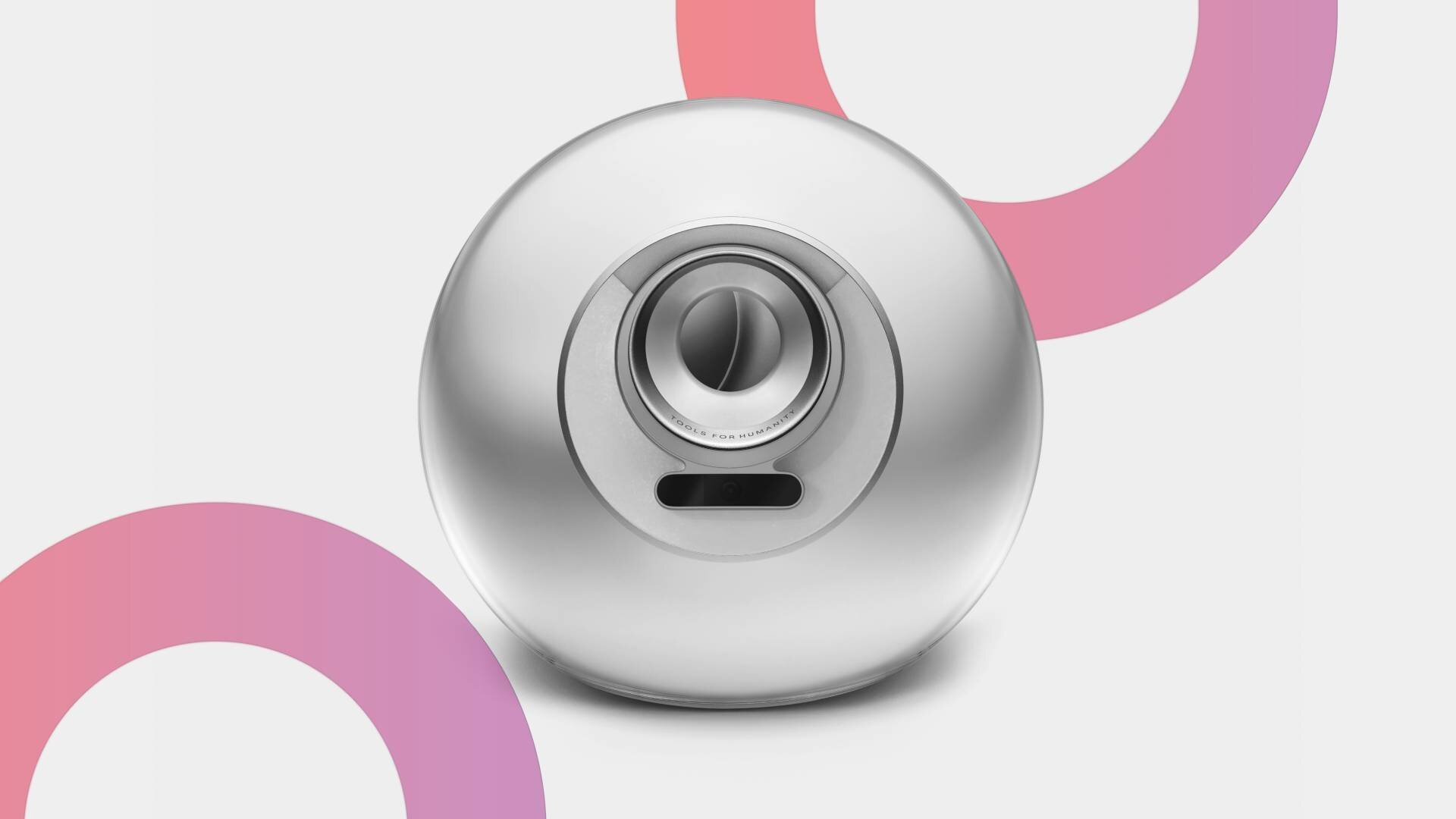
We need to talk about the physical hardware because that is where the friction usually starts. The Orb is a bottleneck. Scaling a global network that requires physical presence in an era of digital-first everything is an uphill battle. While the funding will certainly help manufacture more hardware and expand the reach of these scanning stations, the logistical hurdles remain significant. Privacy concerns haven't exactly vanished either, regardless of how many audits the foundation publishes.
Builders need to ask themselves: is the trade-off of biometric centralizing worth the utility of a sybil-resistant network? World claims to be privacy-preserving, using zero-knowledge proofs to ensure that your biometric data doesn't actually leave the device in a raw format. But from a founder’s perspective, any system that relies on a single hardware manufacturer for its root of trust is a system with a significant point of failure. If the Orb is compromised, the integrity of the entire identity stack follows suit.
What This Means for the Ecosystem
This $52.5 million isn't just for building more Orbs. It is for ecosystem growth. When a foundation has this much capital, they start looking for developers to build the apps that make the identity useful. Expect to see more grants, more hackathons, and more pressure for DeFi protocols to integrate World ID as a way to filter out bots and malicious actors. For builders, this is a signal that the "Humanity" meta is getting its second wind.
We are seeing similar moves from other identity players, but none have the war chest or the star power of the OpenAI leadership. This creates a gravity well. If you are building a social app, a voting system, or a governance module, the pressure to use the most well-funded ID solution is going to be high. It is the classic network effect struggle: the more people who get scanned, the more valuable the API becomes, which in turn forces more people to get scanned.
The Reality of Universal Basic Income
Let's not forget the underlying promise that often gets buried in the technical talk: the vision of a universal basic income distributed via these tokens. While the $52.5 million helps with the plumbing, the actual utility of the token as a currency is still a massive question mark. For a builder, the token itself is often less interesting than the identity primitive it powers. The volatility of the asset makes it a poor candidate for meaningful UBI today, but as a mechanism for incentivizing the growth of the identity network, it is clearly working for the investors.
Strategic Takeaways for Builders
- Integration vs. Isolation: Decide early if your protocol will support World ID. The capital behind it suggests it won’t be going away soon.
- The Agent Layer: If you are building in AI, look at how an identity layer can prevent your agents from being rate-limited or flagged as spam.
- Hardware Dependency: Always have a backup. Relying solely on a biometric hardware-based ID creates a single point of failure for your user onboarding.
- Privacy Debt: Be transparent with your users about how you handle World ID data. Even if the foundation is secure, how you store the associated metadata matters.
The influx of cash from Pantera and Bain suggests that the venture community isn't worried about the regulatory scrutiny World has faced in various jurisdictions. They are betting on the inevitability of an identity crisis on the internet. Whether or not you agree with the method, the problem they are trying to solve is real. As builders, we have to decide if we want to build on top of their solution or find a way to make it obsolete with something more decentralized.
The Long Game
This isn't just about a one-year lock-up. This is about the next decade of how we interact with the web. If World succeeds, the "Human" tag will be the most valuable credential you own. If it fails, it will be remembered as a high-priced attempt to capture the human essence in a database. For now, the foundation has the runway to keep trying. The question for the rest of us is whether we want to be part of that database or if we can find a better way to prove we exist.
Read the original at Decrypt →