State vs. Federal Jurisdictions
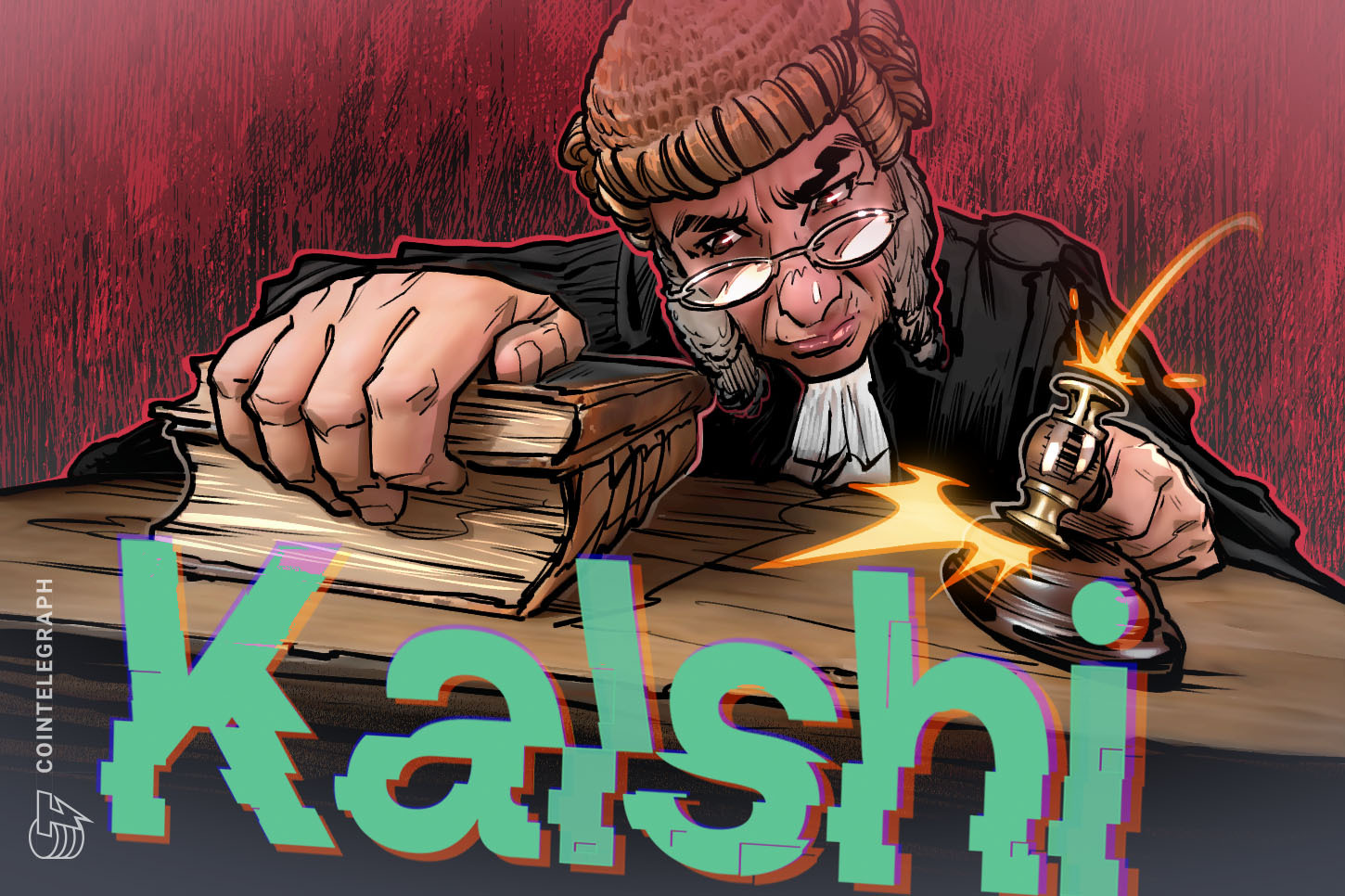
We are watching a classic power struggle unfold between state regulators and a federally sanctioned financial platform. Derek Brown, the Utah Attorney General, recently launched a lawsuit against Kalshi, the prediction market that finally won its right to host election betting after a long battle with the CFTC. But just because the federal government gave Kalshi a green light doesn't mean state officials are ready to step aside.
Brown’s argument is aggressive. He isn't just asking for a fine; he is labeling Kalshi a public nuisance. In the legal world, that is a heavy term usually reserved for polluters or organized crime. By calling Kalshi a nuisance, Utah is effectively arguing that the platform’s very existence within state lines causes substantial harm to the public. More importantly, the state is seeking to recover profits, which signals that this is as much about money as it is about consumer protection.
The Prediction Market Boom
If you have been building in the crypto or AI space lately, you know that prediction markets are the current darling of the industry. They are touted as the ultimate truth machine—a way to aggregate collective intelligence by forcing people to put their money where their mouth is. The logic is simple: if you have a financial stake in the outcome, you are less likely to spread misinformation.
However, from a regulator's perspective, this looks less like a truth machine and more like an unregulated sportsbook. Utah has some of the strictest gambling laws in the United States, and the Attorney General clearly views Kalshi’s election contracts as a direct violation of those local statutes. The core of the conflict is whether a federally regulated exchange can bypass state-level prohibitions on betting.
What This Means for Founders
For founders building decentralized or semi-centralized prediction tools, this lawsuit is a warning shot. You cannot assume that a federal license or a decentralized protocol shield you from state-level litigation. If you are operating in a jurisdiction where gambling is strictly defined, the legal gymnastics required to call your platform a commodity exchange rather than a casino might not hold up in state court.
Builders need to look at the nuisance claim carefully. When a state attorney general uses this language, they are trying to bypass standard regulatory frameworks and appeal to a broader sense of public safety. It is a strategic move designed to make the platform radioactive for local users and payment processors. If Utah succeeds, it sets a precedent for every other state to file similar suits, potentially creating a fragmented map where a platform is legal in Nevada but a crime in Utah.
The Myth of the Neutral Platform
We often talk about the neutrality of technology. The idea is that the code doesn't care what you bet on; it just executes the contract. But the real world is not neutral. Kalshi spent millions of dollars on legal fees to convince the CFTC that election betting serves a hedging purpose—that it helps businesses protect themselves against political volatility. Utah is calling bluff on that narrative.
The Attorney General’s office argues that these markets don't provide a social good, but rather facilitate addictive behavior and financial loss for their residents. For those of us in the industry, this feels like an outdated view of finance. But for a politician, it is a winning platform. It highlights the friction between the move fast ethos of fintech and the slow, protective nature of state law.
A High-Stakes Game of Sovereignty
This isn't just a Kalshi problem. It is a crypto problem. If a state can sue a regulated entity like Kalshi for profits, imagine what they could do to a decentralized protocol that has no legal department to fight back. The lawsuit specifically targets the revenue generated from Utah residents, which means the state is going through the books to figure out exactly how much money flowed out of their economy into Kalshi’s coffers.
This pursuit of profits is the most aggressive part of the suit. It suggests that states are no longer content with just banning services; they want to make the cost of doing business in their territory so high that companies will self-censor and geo-fence their residents voluntarily.
Practical Realities for the Sector
If you are developing a project that touches prediction markets, or any high-velocity financial tool, you have to realize that federal compliance is the floor, not the ceiling. The Kalshi situation proves that even with a regulatory win in D.C., you are still vulnerable to the whims of local attorneys general who have their own political agendas and state laws to enforce.
I’ve seen plenty of founders get blindsided by this. They think that because they have a legal opinion from a top-tier firm regarding federal law, they are safe. They aren't. State laws regarding public nuisance and consumer protection are often broad and can be interpreted in ways that favor the prosecution. Utah is exercising its right to protect its borders, even in a digital world that doesn't really have them.
The Skeptic's Takeaway
Prediction markets are useful, but we shouldn't be surprised when they face this kind of pushback. The industry has a habit of dressing up gambling as data science. While there is truth to the data science angle, we have to be honest about the mechanics. If it looks like a bet and feels like a bet, regulators will eventually treat it like a bet.
The takeaway for builders is to bake local compliance and geo-fencing into the architecture from day one. Don't wait for the lawsuit to start thinking about which jurisdictions you can actually serve. Kalshi is a massive company with the resources to fight this in court for years. Most startups don't have that luxury. If you get hit with a nuisance suit from a state like Utah, it’s game over before you even get to trial.
Looking Ahead
We will see if Kalshi decides to settle or if they will try to take this to the Supreme Court level to settle the question of federal preemption. If federal law governs commodity exchanges, does a state have the right to intervene? It is a question that will define the next decade of American fintech. For now, expect more states to follow Utah’s lead, especially if they see a path to filling their own treasuries with the profits of the platforms they are suing.
Read the original at Cointelegraph →