The dream of a unified, borderless global liquidity layer just hit a massive speed bump. Circle is officially splitting its USDC reserves to satisfy the European Banking Authority. This isn't just a technical tweak; it is a fundamental shift in how stablecoins operate under the weight of MiCA regulations. For anyone building in DeFi or cross-border payments, the map just got a lot more complicated.
The Two-Pool Reality
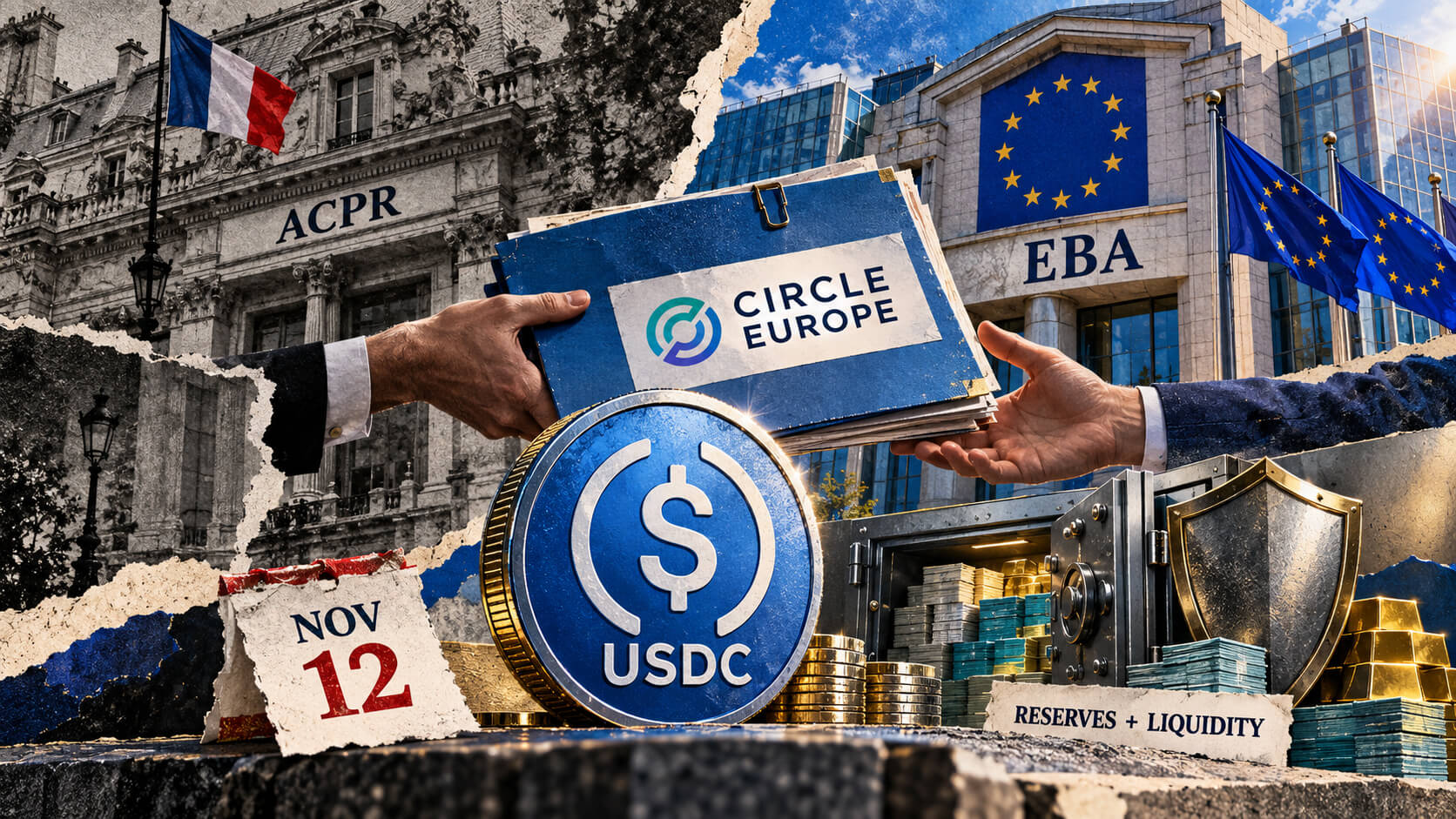
For years, the goal for stablecoin issuers was simple: one massive, efficient bucket of liquid assets backing every token in circulation. That efficiency is being traded for compliance. To meet the EBA’s November 12 handover requirements, Circle has to isolate its European operations. This means the reserves backing USDC for European users will be managed separately from the global treasury.
As a founder, you have to look at this and wonder about the long-term impact on slippage and liquidity. When you fragment reserves, you inevitably fragment the efficiency of the asset. We are moving from a world of 'Global USDC' to a world where the tokens you hold might be legally tethered to specific jurisdictions, even if they look the same in your wallet.
Dual Supervision and the Red Tape Tax
The EBA isn't just making suggestions; they are stepping in as a direct supervisor alongside local regulators. This 'dual supervision' model for Circle’s EU issuer is a heavy burden. It means double the reporting, double the audits, and double the chance for a regulatory bottleneck. For those of us building apps on top of these protocols, this is a warning sign. Compliance costs are rising, and those costs eventually get passed down to the developers and the end users.
Circle has been vocal about wanting more flexibility in how these reserves are held. Their October response to the EBA pushed for more lenient reserve requirements, likely because they know that locking up massive amounts of capital in highly specific, localized mandates makes the whole system more brittle. If a localized banking crisis hits one region, a fragmented reserve could lead to localized de-pegging risks that wouldn't exist in a diversified global pool.
Why Builders Should Care
If you are building a protocol, you probably chose USDC because it felt like the safest, most institutional-grade 'neutral' money. But neutrality is getting expensive. When reserves are split, the risk profile of the asset changes. You now have to consider the regulatory stability of the European banking system as a distinct variable from the U.S. banking system when assessing your collateral.
- Liquidity Fragmentation: We might see different 'tiers' of USDC or wrapped versions emerging to bridge these regulatory moats.
- Counterparty Risk: You are no longer just betting on Circle; you are betting on the specific European custodians the EBA has approved.
- Compliance Overhead: If you serve EU customers, your stack just got more complex because your underlying asset is now under a dual-supervision regime.
The Push for Flexibility
Circle’s pushback against the EBA’s rigid requirements is a move of self-preservation. They are trying to avoid a scenario where the stablecoin becomes too expensive to operate in Europe. The EBA wants high percentages of reserves held in cash at specific banks. In a high-interest-rate environment, that’s a massive hit to the issuer's bottom line compared to holding T-bills. More importantly, it forces the issuer to rely on the very legacy banks that crypto was designed to provide an alternative to.
There is a certain irony here. The regulators are forcing 'decentralized' money back into the localized, centralized vaults of the old guard. For founders, this means the 'permissionless' nature of these assets is being eroded. If the reserve backing your stablecoin is sitting in a bank that doesn't like your industry, your liquidity is at the mercy of that bank’s risk department.
What Happens After November 12?
The handover marks a point of no return for MiCA enforcement. We should expect a period of friction. Exchanges operating in Europe will have to ensure they are sourcing USDC from the compliant EU issuer. This could lead to a 'basis' or price difference between EU-regulated USDC and the rest of the world’s supply. While arbitrageurs will try to close that gap, the regulatory friction might make it persistent.
Founders need to audit their treasury and their liquidity pools. If you are providing liquidity on a DEX, which version of USDC are you using? Is your smart contract capable of handling a scenario where one version of a stablecoin is restricted while another is not? These are the 'skeptic' questions we have to ask now before the market forces us to find the answers during a crisis.
The Takeaway
The era of the 'one size fits all' global stablecoin is ending. Regulatory capture is forcing issuers to balkanize their reserves. While this might make regulators feel safer, it makes the job of a builder significantly harder. We are no longer just writing code for a global internet; we are writing code that has to navigate a growing web of regional digital borders. Watch the November 12 transition closely—it’s the template for how the rest of the world will likely force crypto to compromise.
Read the original at CryptoSlate →