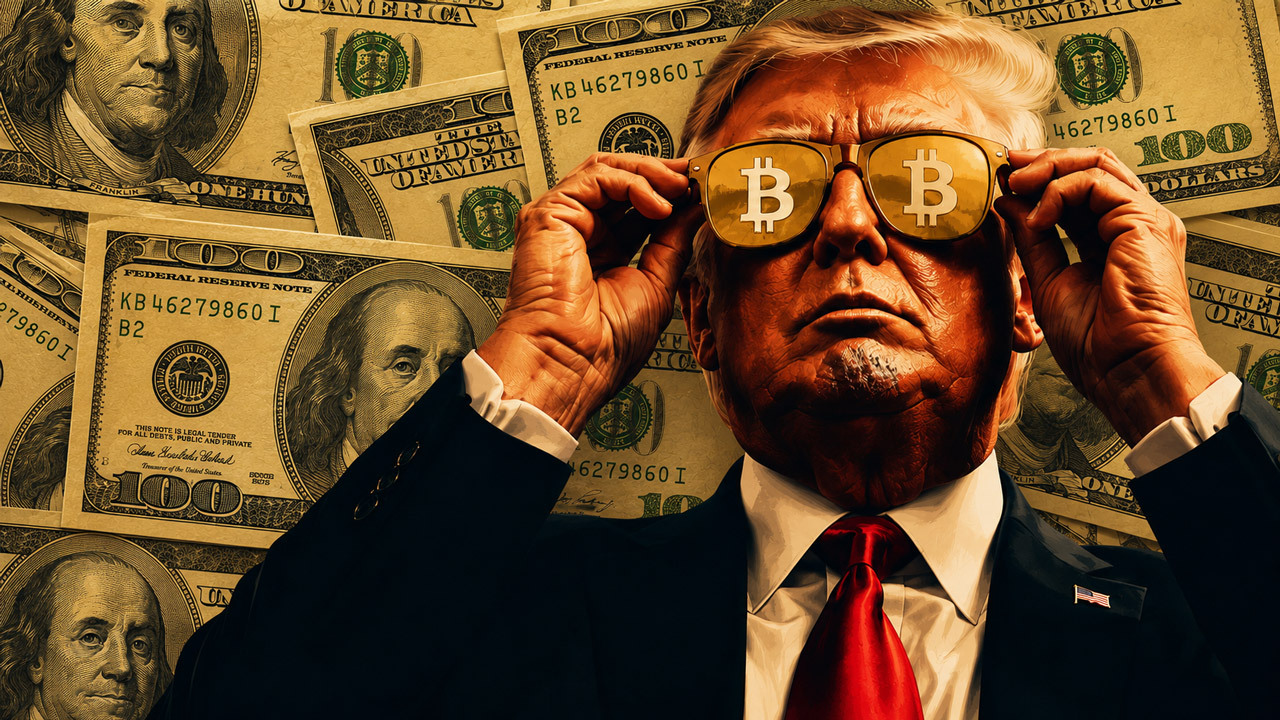
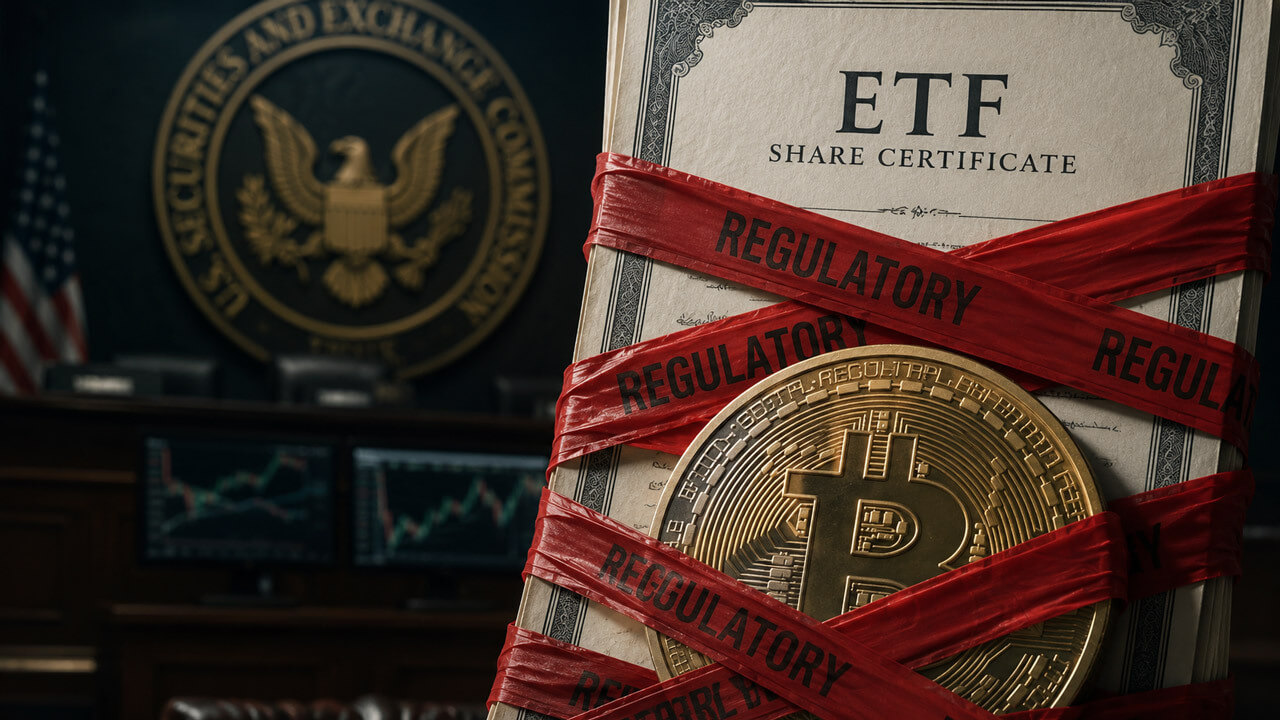
We have reached a point where the distinction between a political platform and a personal balance sheet has completely dissolved. The recent financial disclosures from the Trump campaign aren't just a peek into a candidate's portfolio; they represent a fundamental shift in how power and money interact. This isn't just about one guy. It is about a new tech-driven reality where policy and profit are separated by nothing more than a few clicks on a decentralized exchange.
The Instant Liquidity of Influence
In the past, political influence was a slow-burn asset. You wrote a book, you gave some speeches, or you sat on a board after your term ended. That was the old way to monetize a name. To a builder or a founder, that looks archaic. Today, as the latest filings show, we are looking at a system where branding and regulatory stances are converted into liquidity in real time. When a major political figure holds millions in digital assets, every word they say about the SEC or central bank digital currencies acts as a market-moving event for their own net worth.
This is a governance problem that our current institutions aren't built to handle. Traditional ethics rules were designed for blind trusts and static stock holdings. They weren't built for a world where a candidate can launch a branded token or hold a significant stake in a protocol that benefits directly from their potential executive actions. The speed of crypto means the market prices in political favor long before a single piece of legislation is actually signed into law.
Why Builders Should Care
If you are building in this space, you might think high-level political drama doesn't affect your smart contract or your roadmap. You would be wrong. The tight coupling of personal financial interests and national policy creates a massive amount of noise. For a founder trying to find signal, this is a nightmare. It turns crypto into a partisan football, where the merits of the technology are sidelined in favor of who owns what coin.
The Risk of Symbolic Assets
We are seeing the rise of what I call symbolic assets. These are tokens or NFTs that don't necessarily have a utility beyond representing an affiliation or a personality. The filings show millions earned from NFT licensing. While that is a legitimate business model, it creates a feedback loop. If the value of an asset is tied entirely to the political survival of an individual, the asset stops being a tool for decentralized finance and starts being a bet on an election outcome. This isn't what Satoshi had in mind, but it is the reality of our current market infrastructure.
- Political disclosures are now real-time alpha for traders.
- The line between 'policy advocacy' and 'shilling' is getting thinner.
- Institutional trust is further eroded when financial interests are this transparent yet this volatile.
The Conflict of Interest at Scale
The real issue here isn't that a politician owns crypto. Honestly, in a digital age, it would be weirder if they didn't. The problem is the scale and the directness of the connection. Usually, if a candidate owns oil stocks, they are one of millions of shareholders. But when a candidate is the primary driver of a specific brand or niche asset class, their influence is concentrated. This disclosure shows a massive concentration of value tied to things that are sensitive to specific regulatory shifts.
Imagine a scenario where a president has to decide on a tax law that directly affects the liquidity of their personal token holdings. In the traditional world, there are layers of bureaucracy to mitigate this. In the crypto world, the market reacts in seconds. We are essentially watching a live-action stress test of our ethics laws, and the laws are failing. The market doesn't care about the ethics of it; the market only cares about the direction of the price, which creates a perverse incentive for politicians to prioritize the assets they own over the health of the broader ecosystem.
Reframing the Narrative
As builders, we need to ask ourselves if we want our industry to be a mirror of the existing political circus. One of the core promises of crypto was to remove the middleman and the 'good ol' boys' network. But if we just replace the old network with a new one that runs on 24/7 liquidity and social media clout, have we actually moved the needle? Using crypto to bypass traditional campaign finance or to monetize a political brand is a use case, sure, but it's not exactly 'banking the unbanked' or 'fixing the money.'
The convergence of personal digital wealth and public office turns every policy tweet into a potential trade, making the market a scoreboard for political survival rather than technological progress.
A Founder’s Perspective
I have spent years looking at how technology changes human behavior. Usually, the tech leads and the politics follow. Here, we are seeing a weird hybrid where the politics is using the tech to accelerate the same old power games. If you are a founder, don't get distracted by the headline numbers in these disclosures. The millions of dollars in 'brand fees' or 'crypto royalties' are a distraction from the real work of building robust, decentralized systems.
The danger is that the public starts to see crypto only through this lens—as a tool for the powerful to get more powerful. If that perception sticks, the regulatory hammer will be even heavier for the rest of us. We are being judged by the actions of those at the top of the food chain, and right now, the food chain looks suspiciously like a closed loop of self-interest.
The Takeaway
The Trump disclosure is a wake-up call for anyone who thinks crypto is 'neutral.' The tech might be neutral, but the players aren't. We are entering an era where financial transparency in politics will provide more market data than actual fiscal reports. The institutional problem isn't just about one candidate's portfolio; it's about a system that can no longer distinguish between a leader's duty and a trader's profit motive. Focus on building things that have value regardless of who is in the White House, because as these filings show, the people in power are already busy building their own exits.
Read the original at CryptoSlate →