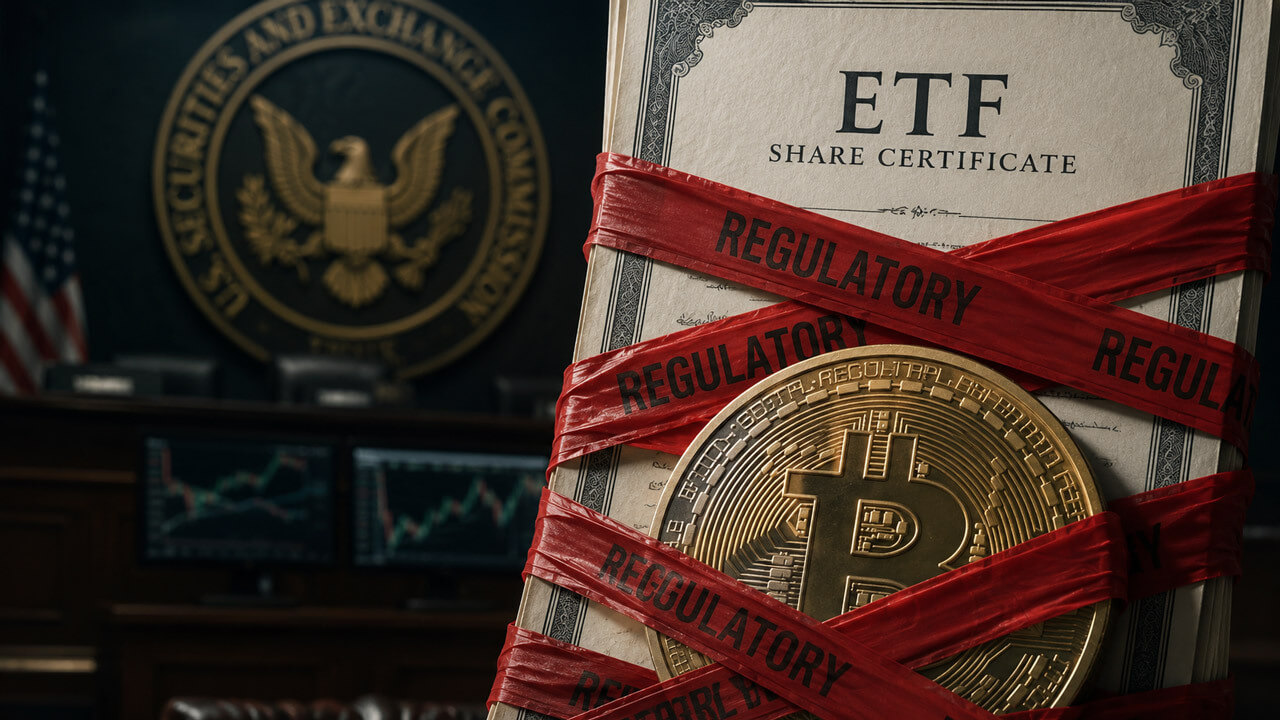
We spent years begging for legitimacy. We wanted the big firms to care. We wanted the plumbing of Wall Street to connect to our digital frontier. Last year, we finally got it. The approval of spot Bitcoin and Ethereum ETFs felt like the final boss had been defeated. But now, it turns out the regulators are having a massive case of buyer's remorse, and they are wondering if the door they opened is letting in too much cold air.
The Convenience Trap
The exchange-traded fund is arguably the most successful financial delivery method ever invented. It took complex market exposures—things that used to require specialized brokers or physical storage—and turned them into a ticker symbol you can buy while you're standing in line for coffee. You want exposure to Japanese bonds? Click a button. You want to bet on the price of soybeans? Same button.
When crypto finally got into the ETF wrapper, it was meant to be the ultimate bridge. For builders, it meant a new wave of capital that didn't require users to manage their own private keys or worry about hot wallets. But for the SEC, this extreme convenience is exactly what they are now starting to fear. They have realized that by making crypto easy to buy, they have also made it incredibly easy to ignore the underlying risks.
The Regulators Are Re-Evaluating the Playbook
The core of the current tension is whether the SEC actually understood what they were letting into the hen house. Reports are surfacing that the agency is worried they have moved too fast. They are looking at the explosion of interest and realizing that the ETF wrapper might be too good at what it does. It masks the volatility and the technical nuances of decentralized networks behind a clean, regulated interface.
The SEC is starting to view the ETF not as a tool for inclusion, but as a distribution pipe that they can no longer easily control. Once a product is live, you can't just flip a switch and turn it off without causing a market riot.
This isn't just about Bitcoin or Ethereum anymore. This is about the precedent. If every token or every thematic basket of crypto assets becomes an ETF, the SEC effectively loses its role as a gatekeeper of risk. They become just another utility provider for Wall Street's marketing machines.
What This Means for the Builders
If you are building in the space, you might think the ETF drama is just noise for the suits. It isn't. The SEC feeling like they've gone too far means the regulatory climate for new products is going to get significantly colder. We are likely looking at a period where the barrier for the next wave of crypto-financial products will be twice as high as it was for the first movers.
- Increased Disclosure Requirements: Expect the SEC to demand much more technical granularity on how these protocols function at the base layer.
- Custody Scrutiny: The days of third-party custodians having a free pass are over. The regulators want to see deeper evidence of security that goes beyond just 'we have a vault.'
- Market Manipulation Fears: The SEC is still not convinced that the underlying spot markets are clean enough to support the massive volume the ETFs are generating.
The Myth of the 'Done Deal'
There is a common misconception among crypto founders that once the ETF was approved, the regulatory war was over. In reality, the war has just shifted fronts. The first phase was about access. The second phase—the one we are in now—is about control. The SEC is trying to figure out how to put constraints on a product that was designed to be unconstrained.
As a founder, you have to realize that 'legitimacy' comes with strings. The SEC is now looking at the infrastructure that supports these ETFs and asking questions that many decentralized protocols aren't ready to answer. If your project relies on being 'ETF-ready,' you need to prepare for a lot more red tape than we saw in early 2024.
A Founder's Reality Check
We need to stop viewing the SEC as a hurdle that we've already cleared. The current hesitation from the commission suggests they are looking for reasons to slow down the integration of crypto and traditional finance. They aren't just questioning the products; they are questioning the very idea that crypto BELONGS in a retail-accessible wrapper.
For those of us building the tools, this means we can't rely on the 'institutionalize or die' narrative. We have to build products that are resilient enough to survive even if the SEC decides to close the ETF door for long periods of time. The convenience of the ETF is a double-edged sword: it brings the money, but it also brings the eyes of people who don't like what we're building.
Takeaway for the Week
The ETF victory was real, but it wasn't a total surrender by the regulators. The SEC is questioning their own speed, which means the next few years will be defined by a slower, more painful tightening of the rules around how crypto interacts with the public markets. Don't build assuming the floodgates are wide open; build assuming there's a heavy-duty filter on the way.
Read the original at CryptoSlate →