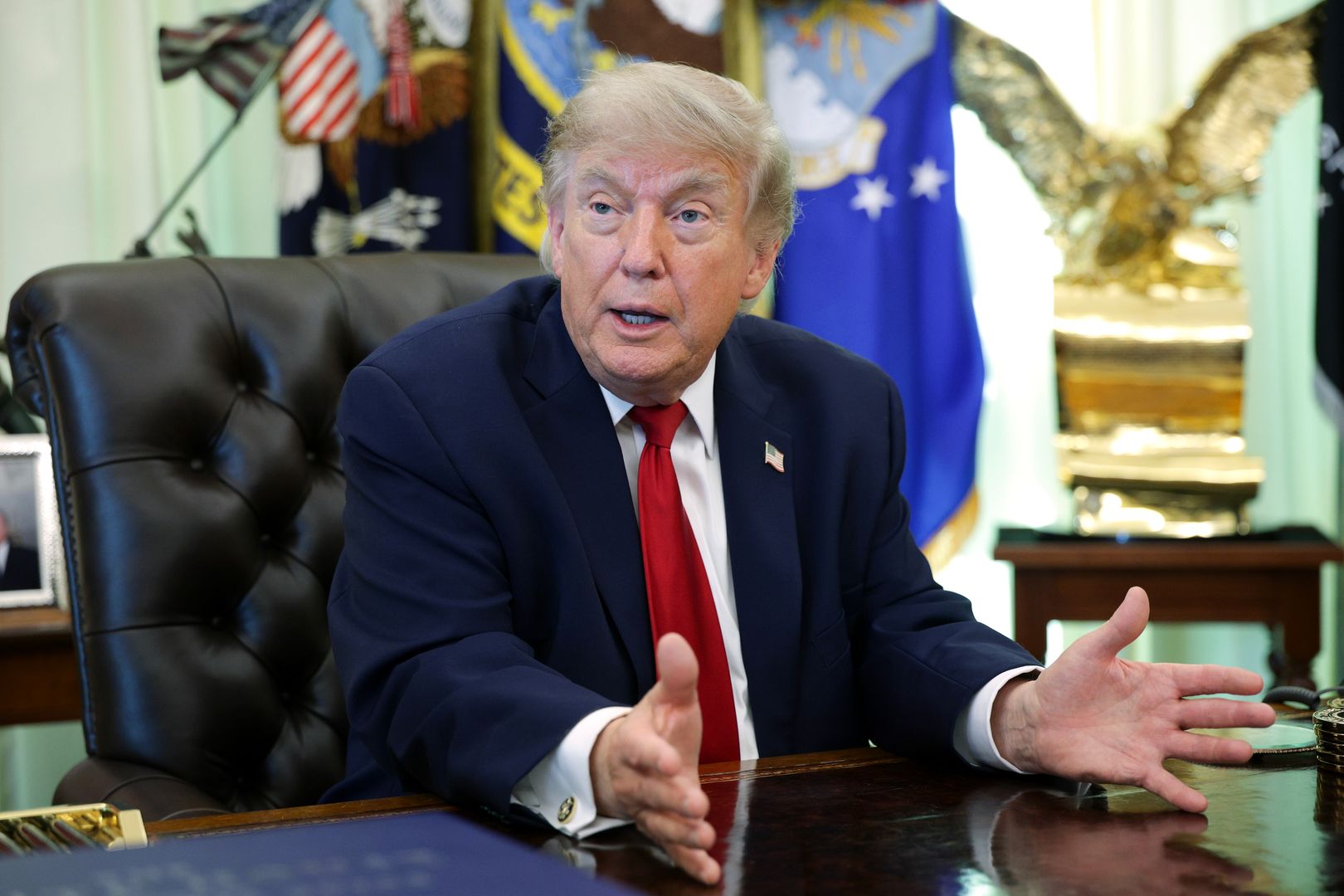
The Billion-Dollar Disclosure
We finally have the numbers on how much the commander-in-chief has actually made from the crypto world, and they are staggering. According to the 2025 financial disclosures, Donald Trump has pulled in over $1 billion through various crypto-linked ventures. This isn't just a side hustle or a few licensing fees. It is one of the most successful pivots in modern political business history.
For those of us building in this space every day, seeing these figures is a bittersweet pill. On one hand, it validates that there is real capital flowing through these pipes. On the other, it highlights a disconnect between the people grinding on protocol development and the high-level participants who use the industry as a giant liquidity pool. Trump didn't build a new consensus mechanism; he built a brand wrapper for digital assets, and the market rewarded him handsomely for it.
The Timing and the Slump
What makes this billion-dollar haul particularly interesting is the timing. This wealth was accumulated just as the broader industry began sliding into a more difficult economic period. While average retail investors were navigating a cooling market and builders were tightening their belts, the Trump crypto machine was operating at peak efficiency. It raises a question about the sustainability of celebrity-driven crypto plays versus utility-driven ones.
Most of this revenue likely stems from a mix of NFT licensing, participation in decentralized finance (DeFi) platforms associated with his name, and holding significant positions in certain tokens. It shows that even in a slump, a massive enough distribution network can still generate ten-figure returns. For a founder, the lesson is clear: audience and distribution are often more valuable than the underlying tech in the short term, even if that feels wrong to those of us who prioritize engineering.
The Founder Perspective
If you are building a startup right now, you might look at this $1 billion figure and feel frustrated. Why does a brand licensing deal make more money than a revolutionary new dApp? But we have to look at it objectively. Trump treated crypto as a vertical in a larger conglomerate. He didn't care about the intricacies of ZK-proofs; he cared about the conversion rate of his base into digital asset holders.
This is a masterclass in monetizing a community. Founders often focus so much on the product that they forget the people. While I find the predatory nature of some of these celebrity-backed tokens skeptical at best, you cannot deny the efficiency of his team's execution. They identified a niche, leveraged a massive existing audience, and converted that attention into hard cash before the market had time to correct.
Risk and Reward in High Places
There is also the regulatory side of this to consider. When a sitting president is this deeply involved in the asset class, the stakes for policy changes shift. You have to wonder how much of this billion-dollar success is tied to the expectation of friendly regulation. In the crypto world, we often talk about 'regulatory moats.' If you are the one making the rules, or at least heavily influencing them, your business risk profile drops significantly.
For builders without that kind of political leverage, the game remains much harder. We have to follow the rules that these figures help shape. The disclosure shows us that while the 'crypto-winter' might be cold for some, it remains quite warm for those at the top of the food chain. This disparity is something that early crypto pioneers hoped to solve with decentralization, yet here we are, seeing the same old wealth concentration patterns play out on a new ledger.
- Monetization over Innovation: This disclosure proves that brand equity is still the fastest way to a billion in this space.
- Market Timing: Cashing out or capturing value before a slump is the difference between a visionary and a bag holder.
- Liquidity Extraction: The industry needs to decide if it wants to be a tool for global finance or a playground for high-net-worth extraction.
Where Does the Money Go?
A billion dollars is a lot of liquidity to pull out of an ecosystem. When that money leaves the hands of retail supporters and lands in the pockets of a single entity, it doesn't always circulate back into the technical development of the space. It goes into real estate, legal fees, and traditional political spending. This is a net drain on the development capital available for actual builders.
I have always argued that we need more institutional money in crypto, but it needs to be productive capital. Productive capital builds infrastructure, scales transactions, and solves user experience hurdles. Celebrity capital is often extractive. It enters the room, takes what it needs, and leaves the doors open for someone else to clean up the mess. We are seeing that play out in real-time with these disclosures.
A Reality Check for the Industry
We need to stop being surprised when big names use our tools to make big money. That is what the tools were designed for. Permissionless finance means anyone can use it, including politicians with massive followings. The skepticism I have isn't about the legality of it, but the optics. If crypto wants to be taken seriously as a successor to the legacy financial system, it has to move past this phase of being a gold mine for the few.
For the founders reading this, don't let the noise of a billion-dollar disclosure distract you from your roadmap. These numbers are outliers created by unique circumstances. Most of us will never have a global brand to leverage, so we have to build things that actually work and provide value beyond the hype cycle. Integrity in building still matters, even if it doesn't always lead to a billion-dollar headline in a single year.
The real value of crypto isn't in how much one person can take out of it, but in how many people can finally participate in a fair system.
The Takeaway
The billionaire-class has correctly identified crypto as the most efficient wealth-generation tool of the decade. While the industry heads toward a slump, those with the largest platforms are successfully insulating themselves with massive payouts. For builders, this is a reminder that the technology is working—the money is moving—but we still haven't solved the problem of who gets to keep it. Focus on building sustainable, utility-driven projects that can survive the skepticism that these massive celebrity windfalls naturally create.
Read the original at CoinDesk →