The High Cost of Creative Delusion
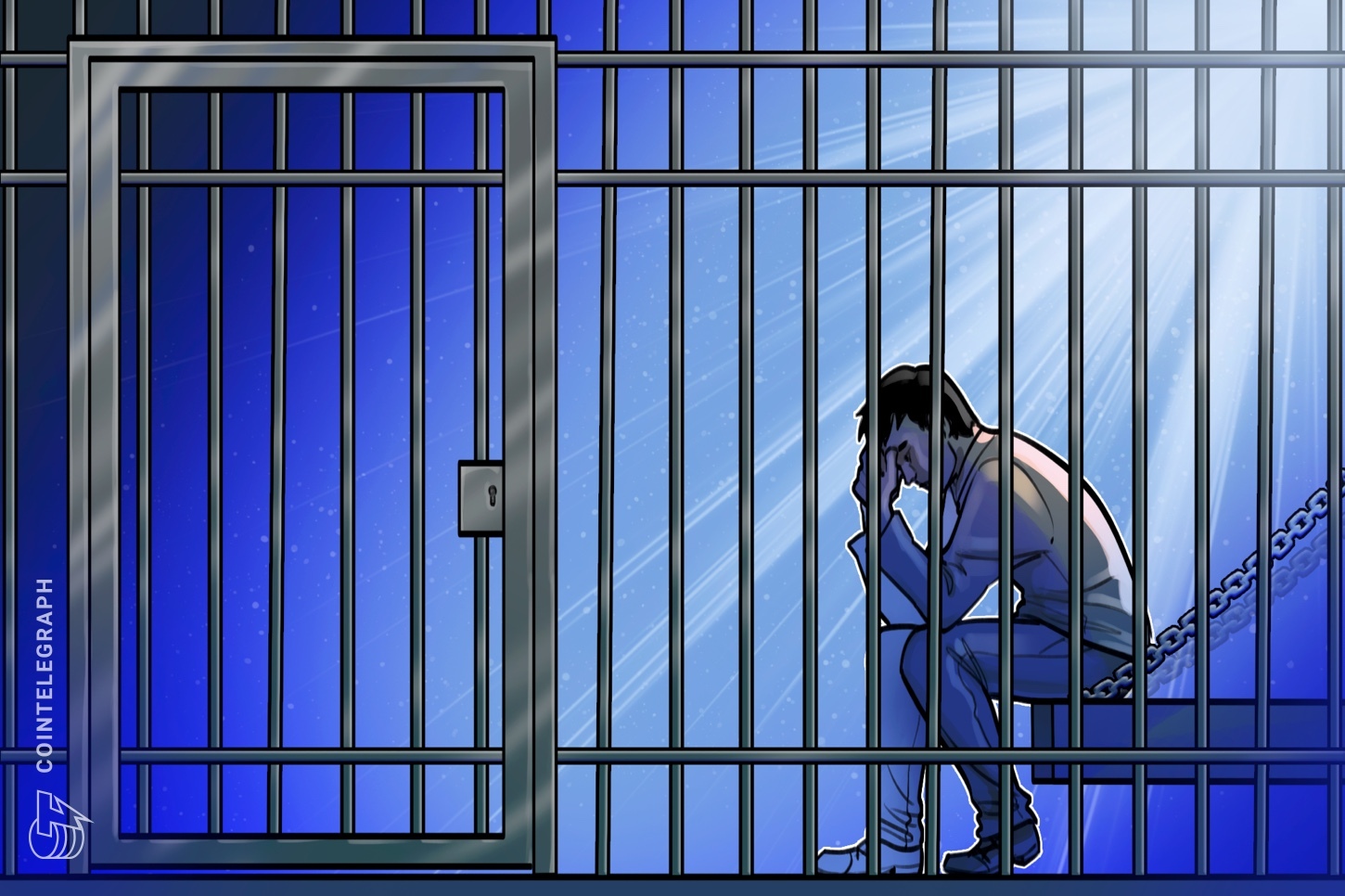
Carl Rinsch, the director once hailed as a visionary for 47 Ronin, just received a thirty-month prison sentence. The crime wasn't artistic failure, though there was plenty of that. It was the systematic misappropriation of millions of dollars in production funds. Rinsch took money meant for a Netflix sci-fi epic and treated it like a personal casino chip, betting on Dogecoin, high-risk equity markets, and a fleet of luxury cars.
As someone who spends most of my time looking at how builders can use decentralized tools to fix broken industries, this story hits a nerve. It is a cautionary tale about what happens when the absolute lack of oversight meets the gambling culture that still plagues the fringes of the crypto space. This isn't just a story about a bad director. It is a story about the death of trust between creators and the capital that sustains them.
The Netflix Blank Check
Netflix originally handed Rinsch a massive opportunity. They greenlit a project called Conquest, pouring dozens of millions into his hands with the expectation that he would deliver a groundbreaking series. Instead of hiring crews and securing locations, Rinsch reportedly diverted $11 million of those funds into personal trading accounts. This wasn't a rounding error; it was a wholesale betrayal of the production partnership.
He didn't just play it safe, either. Rinsch leaned into the most volatile corners of the market, allegedly losing millions on risky equity bets before turning to Dogecoin. He managed to turn a $4 million crypto bet into a $27 million windfall, but rather than putting that money back into the production he had starved, he went on a spending spree. He bought Rolls-Royces, Ferraris, and expensive watches. While his cast and crew were waiting for direction, Rinsch was busy building a lifestyle funded by theft.
The Founder Perspective: Accountability Matters
From a founder's perspective, this is a nightmare scenario. We talk a lot in the crypto space about "trustless" systems, but business still runs on basic human integrity. When a major studio like Netflix gives a creator that much rope, they are betting on the person. Rinsch’s actions have likely poisoned the well for independent creators looking for big-budget backing for years to come.
In the tech and crypto world, we often celebrate the "degenerate" spirit—the idea that taking massive risks is the only way to win. We see it on Twitter every day. But there is a massive difference between risking your own capital and gambling with money that belongs to your employees, your partners, and your project. Rinsch mistook reckless greed for bold strategy. He thought he could bridge the gap in his budget by hitting a jackpot, but all he did was ensure his own downfall.
The Reality of High-Risk Trading
Let’s be honest about the Dogecoin win. People will look at Rinsch’s $27 million liquid profit and think he was some kind of genius who just got caught. That’s the wrong takeaway. For every Rinsch who hits a lucky streak on a meme coin with stolen money, there are a thousand others who lose it all and vanish. The fact that he was successful in the trade doesn't validate the strategy. It actually makes the moral failing worse because even after he hit it big, he didn't fix the production debt. He just kept spending.
Builders need to understand that crypto isn't a replacement for a business model. It is a toolset. If your project relies on one-thousand-percent gains in the altcoin market to stay afloat, you don't have a project—you have a gambling addiction. Rinsch’s thirty-month sentence is a light price to pay considering the careers he stalled and the capital he incinerated.
The Ripple Effects on Creative Tech
This case matters for those of us tracking the intersection of AI, crypto, and the creator economy. We are entering an era where decentralized finance (DeFi) and DAOs are supposed to make it easier for filmmakers to raise money without the gatekeepers of Hollywood. But how do you convince investors to trust a decentralized model when even the centralized models—with legal contracts and corporate oversight—get robbed blind by someone like Rinsch?
The transparency of the blockchain should, in theory, prevent this. If the production budget had been managed via on-chain smart contracts with multi-sig requirements, Rinsch wouldn't have been able to quietly siphon $11 million into a brokerage account. He would have had to justify every transaction to his co-signers. This is where the builder-first mentality wins. We need to stop trusting "visionary" individuals with unmonitored pools of capital and start using the tech we actually build to enforce fiscal discipline.
- Asset Mismanagement: Diverting project funds for personal gains is a fast track to federal prison.
- The Meme Coin Trap: High-volatile assets are not a treasury management strategy.
- Governance Gaps: The failure of Netflix to monitor these funds highlights the need for better auditing tools in the creative industry.
The Culture of Excess
There is a specific type of rot that occurs when someone gets too much money too quickly without the character to manage it. Rinsch reportedly behaved erratically on set, claiming he could predict the future or control the weather. This kind of ego-driven delusion often precedes financial fraud. In the crypto world, we call this "Main Character Syndrome."
When we see founders start buying five-plus luxury cars before they have a working product, it’s a red flag. When we see a director doing it with a studio’s money, it’s a crime. The thirty months Rinsch will spend behind bars is a stark reminder that the law doesn't care about your "vision" if you're a thief.
A Final Takeaway for Builders
If you are building in this space, remember that reputation is the only currency that actually matters in the long run. Rinsch had the world at his feet. He had the backing of the biggest streaming platform on earth. He threw it away for a few cars and a temporary high on a crypto exchange. Don't be the person who sacrifices a decade of work for a week of feeling like a high roller. Real builders stay in the game by being boring with their money and radical with their ideas—not the other way around.
Read the original at Cointelegraph →