The Unsexy Side of Real-World Assets
We spend a lot of time talking about tokenizing gold or US Treasuries because they are safe, liquid, and easy to explain. But the real potential for blockchain isn't in making easy things slightly faster; it is in making difficult things possible. The recent push to bring catastrophe bonds (CAT bonds) to the blockchain in Bermuda is a perfect example of this. It is a niche, complex, and high-stakes corner of finance that is finally meeting a technology built for transparency.
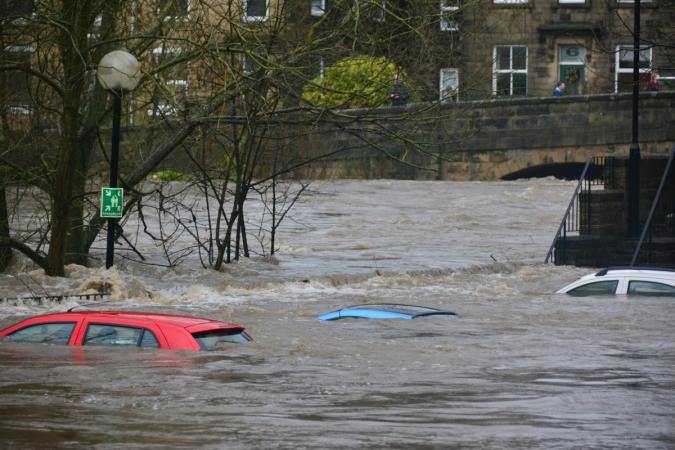
For those outside the insurance-linked securities (ILS) world, CAT bonds are essentially a way for insurance companies to offload risk. If a massive hurricane or earthquake hits, the bondholders lose their principal to pay out claims. If nothing happens, they collect a high yield. It is a binary bet on the weather, and until now, it has been locked behind a wall of legacy legal frameworks and heavy administrative costs.
Why Bermuda is Moving Onchain
Bermuda has long been the capital of the offshore insurance world. They aren't doing this because they love crypto culture; they are doing it because the current system for managing disaster risk is leaking money through inefficiency. Every time a CAT bond is issued, there are layers of lawyers, trustees, and clearinghouses that take a cut and slow down the process. When you are dealing with disaster relief, speed and cost-efficiency aren't just line items—they are the difference between a community recovering or collapsing.
By putting legal ownership of these bonds directly on a blockchain, the goal is to create a single source of truth. No more reconciling spreadsheets between three different banks. If the trigger event happens—say, a Category 5 hurricane hitting a specific coordinate—the smart contract knows. The transfer of funds can happen in hours rather than weeks of bureaucratic auditing.
The Founder's Perspective: Solving the Friction
If you are building in the RWA (Real World Asset) space, this is the blueprint you should be watching. Most founders make the mistake of trying to tokenize something that works fine in the traditional world. You don't need a blockchain to buy a stock. You do need a blockchain to manage a multi-party, cross-border risk contract that requires instant settlement based on external data feeds.
The friction in the insurance industry is the product of trust issues. Reinsurers don't always trust the primary insurers' data, and investors don't always trust the speed of the payout process. Blockchain doesn't necessarily create trust, but it removes the need for it by making the data immutable and the execution automatic. For builders, the opportunity here isn't just the tokenization itself, but the middleware—the oracles that verify wind speeds or seismic activity, and the legal-tech wrappers that make these tokens compliant in multiple jurisdictions.
Addressing the Disaster Insurance Gap
There is a massive gap between the economic losses caused by natural disasters and what is actually covered by insurance. This is known as the protection gap. As climate volatility increases, traditional insurers are pulling back because they can't price the risk accurately or afford the capital requirements. This is where decentralized capital comes in.
Tokenization lowers the barrier to entry for investors. Instead of needing a $10 million minimum to participate in a reinsurance pool, institutional investors—and eventually, perhaps even sophisticated retail players—can buy fractionalized exposure to specific risks. By broadening the pool of capital, we can theoretically lower the cost of insurance for the people who need it most. It turns a closed-loop financial product into a global liquidity pool.
The Skeptic's Corner: Execution Risk
I wouldn't be doing my job if I didn't point out the hurdles. First, the legal framework in Bermuda is robust, but it is still localized. Moving these assets across borders involves a nightmare of KYC and AML hurdles that a smart contract can't solve on its own. Second, the "trigger" problem is real. If the oracle data is wrong, or if the contract isn't written to account for a specific type of flooding not caused by wind, you end up in a legal battle that negates all the speed benefits of the blockchain.
We also have to talk about liquidity. Just because you tokenize a CAT bond doesn't mean there is a secondary market for it. If you are holding a tokenized bond for a California wildfire risk, you might find it very hard to sell that token mid-summer. The tech is the easy part; building the market depth is where most of these projects fail.
What This Means for the Industry
This isn't just another DeFi protocol. This is a sign that the RWA movement is maturing past the "experimental" phase. When you see Bermuda—a jurisdiction that takes insurance very seriously—moving toward onchain legal ownership, it tells you that the efficiency gains are finally outweighing the perceived risks of the technology. For builders, the message is clear: stop looking for problems to solve with blockchain, and start looking at the massive, high-friction industries that have been operating the same way since the 1970s.
Takeaway
The tokenization of catastrophe bonds is a high-utility use case that solves actual liquidity and transparency problems in the insurance market. Success depends on the reliability of data triggers and the integration of legal clarity with smart contract execution. If this works in Bermuda, expect the floodgates to open for other complex risk-based assets to move onchain.
Read the original at CoinDesk →