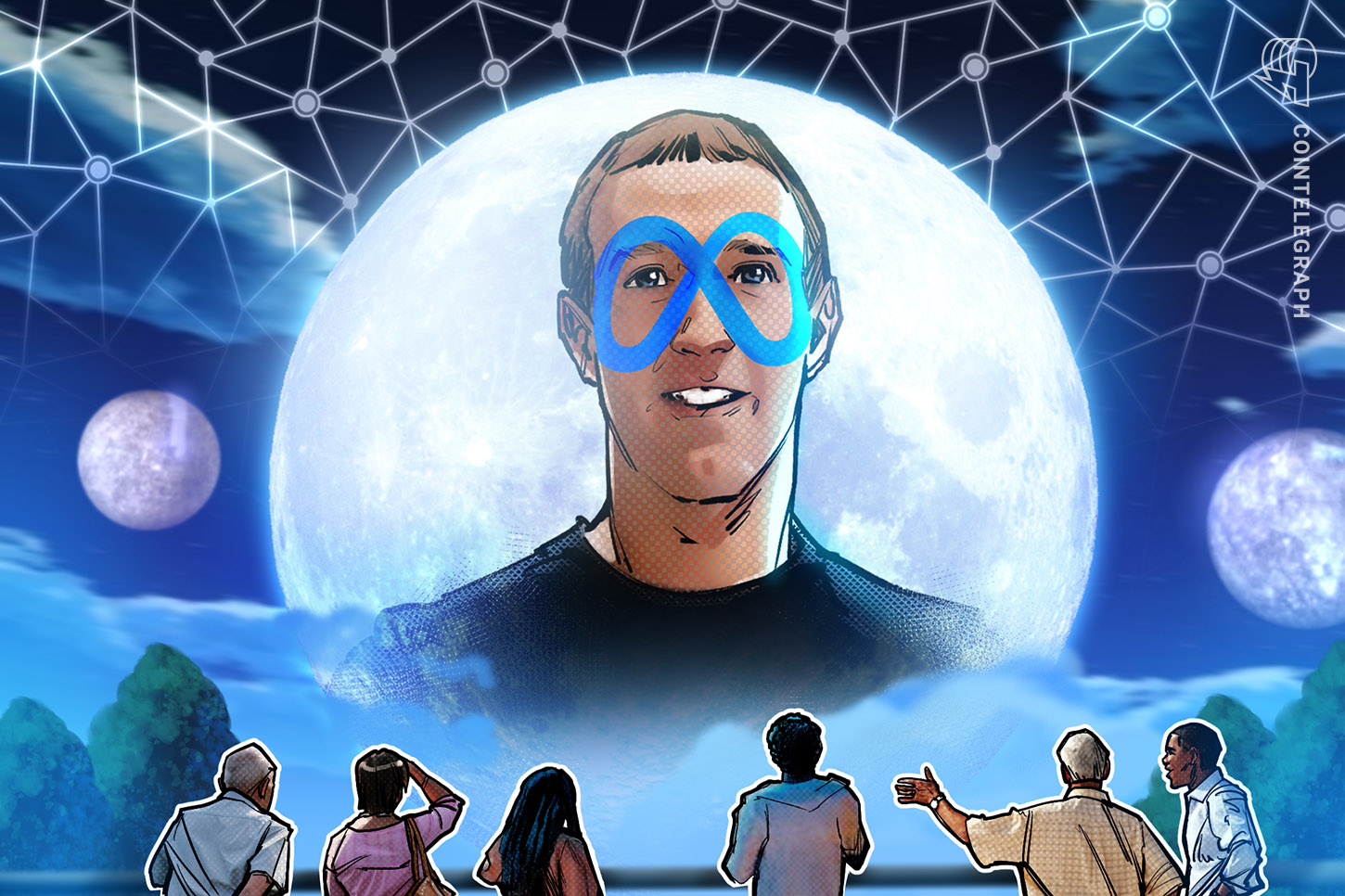
The Pivot to Personal Superintelligence
Mark Zuckerberg has a new phrase he wants you to get used to: personal superintelligence. It sounds like something out of a mid-tier sci-fi novel, but it is the framing Meta is using to launch its latest AI heavyweights, Muse and Wonder. For those of us building in the trenches, this is more than just another model drop. It is a signal that the era of the generic chatbot is ending, and the era of integrated, agentic media generation is beginning.
Meta has been playing a long game. While OpenAI and Google were fighting for dominance in text-based reasoning, Meta was quietly leveraging its massive repository of visual data. Muse and Wonder represent the culmination of that effort. They aren't just trying to be better than Midjourney or DALL-E; they are trying to become the foundational layer for how users interact with digital reality across Instagram, WhatsApp, and the Metaverse.
Understanding Muse and Wonder
From a builder's perspective, we need to look at what these models actually do rather than the marketing fluff. Muse is designed as a high-speed, high-fidelity image generation model. It focuses on the bridge between text prompts and visual output with a level of nuance that previous iterations lacked. The goal here is efficiency. Meta knows that to scale this to billions of users, they can't have models that take thirty seconds to render a single frame. They need near-instantaneous feedback loops.
Wonder, on the other hand, is where things get interesting for the creative class. It is positioned as a tool for more complex, multi-modal generation. This isn't just about making a cool picture; it is about understanding spatial relationships and intent. When Zuckerberg talks about superintelligence, he is referring to an AI that doesn't just follow instructions but understands the user's specific aesthetic and functional context. It is an attempt to move from a tool you use to a partner you collaborate with.
The Competitive Moat: Distribution over Innovation
We often talk about the technical benchmarks of these models, but in the real world, distribution is the only metric that matters. Meta has a built-in user base that makes every other AI startup look like a lemonade stand. By integrating Muse and Wonder directly into the social stack, Meta is bypassing the need for a standalone app. They are making AI a feature of existing habits rather than a new destination.
For builders, this is a double-edged sword. On one hand, it validates the market for generative media. On the other, it creates a massive barrier for entry for any startup trying to build a general-purpose image generator. If you are building in this space, you can no longer compete on just "making pretty pictures." You have to solve a specific workflow problem that Meta is too big to care about.
The Founder's Skepticism
I have seen enough cycles to be wary of the term superintelligence. Right now, these models are still essentially very sophisticated pattern matchers. They are brilliant at interpolation but still struggle with true novelty. Meta’s push into this space is as much a defensive play against TikTok and Google as it is a visionary leap forward. They need to keep users inside their ecosystem, and generative AI is the current hook to ensure people don't migrate to platforms where the tools are more powerful.
There is also the question of data ethics and the "black box" problem. Meta is notoriously opaque about the datasets used to train these models. While they claim to respect creator rights, the reality of web-scale scraping is often much messier. As founders, we have to ask ourselves if building on top of these proprietary models is a long-term strategy or a short-term convenience that creates platform risk.
What This Means for the Crypto and AI Intersection
In the STKR world, we look for where decentralization meets these massive centralized silos. If Meta is building a personal superintelligence, who owns the data that fuels it? This is the primary friction point. As Muse and Wonder become more integrated into our daily lives, the need for sovereign identity and verifiable data becomes more urgent.
We are seeing a trend where AI generates the content, but blockchain must be the layer that proves ownership and provenance. Meta is unlikely to build that part. They want a closed loop. That is the opening for builders: creating the decentralized verification layers that ensure the output of models like Muse belongs to the creator, not the platform provider.
Strategic Takeaways for Builders
- Stop building wrappers: If your product is just a basic interface for image generation, Meta is going to eat your lunch for free. You need a niche.
- Focus on Workflow: The value isn't in the generation itself; it's in what happens before and after. How does an enterprise use these images? How do they fit into a professional video editing suite?
- Verticalization is King: While Meta goes broad with personal superintelligence, there is massive room to go deep in sectors like legal, medical, or high-end architectural visualization.
The launch of Muse and Wonder is a reminder that the giants are awake. They are no longer playing catch-up; they are trying to define the next decade of human-computer interaction. As a founder, you don't beat them by out-spending them on compute. You beat them by being more agile, more transparent, and more focused on the individual user's sovereignty than a multi-billion dollar corporation ever could be.
Final Thought for the Trenches
Don't get distracted by the hype of superintelligence. Focus on utility. If Muse makes your job easier tomorrow, use it. But keep your eyes on the exit. The moment a platform becomes your only source of power is the moment you stop being a founder and start being a tenant.
Read the original at Cointelegraph →