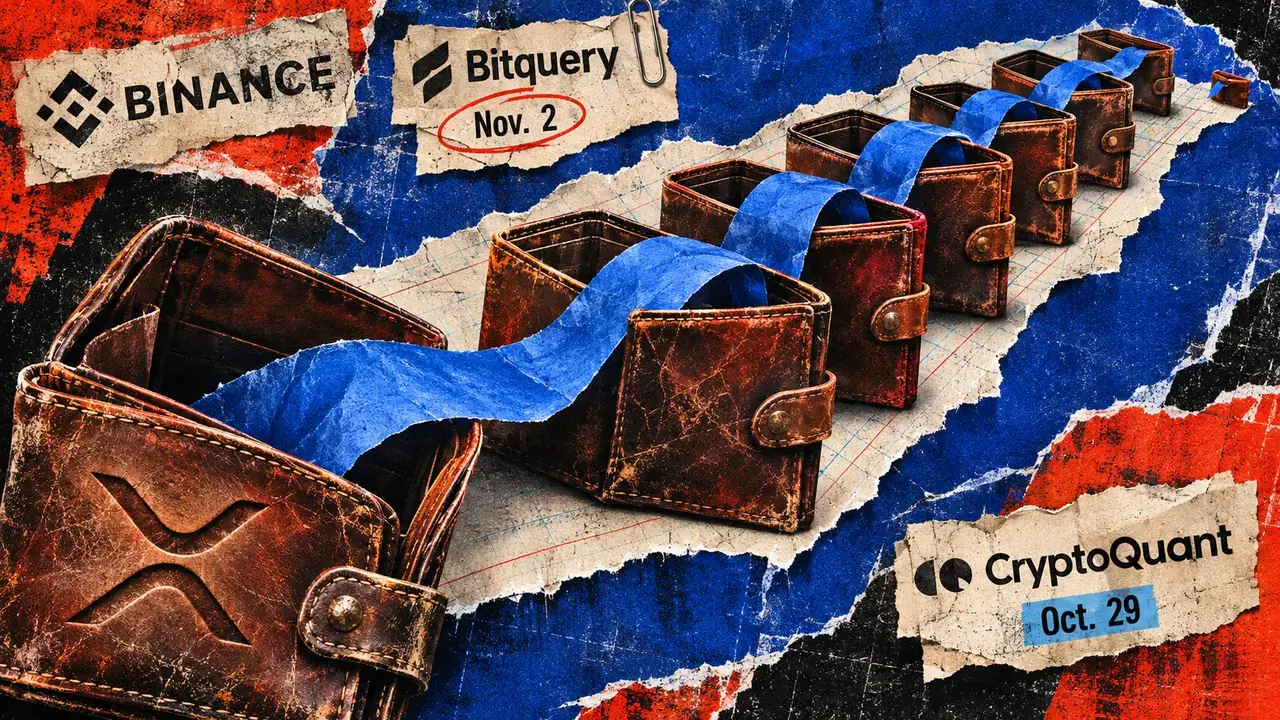
We talk a lot about utility in crypto, but we rarely talk about the utility of being invisible. Right now, THORChain is proving its product-market fit in a way that makes most founders uncomfortable. RUNE is up 10% because one of the most sophisticated hacking collectives on the planet, North Korea’s TraderTraitor, has decided the protocol is the best place to wash dirty money.
This isn’t a technical failure of the protocol. In fact, it is a sign that the tech works exactly as advertised. But for builders and investors, it highlights the permanent tension between building decentralized rails and the reality of how those rails are used when billions of dollars are at stake.
The Laundering Pipeline
The flow of funds is methodical. After the massive Binance exploit, the attackers spent months moving assets through various obfuscation layers. Recently, we have seen a shift in their strategy. They started by converting assets from the Tron network, but the latest activity shows them routing Ether through THORChain to swap for native Bitcoin.
Why THORChain? Because it allows for cross-chain swaps without a central intermediary or a wrapped token bridge that can be easily frozen. When you swap ETH for BTC on a centralized exchange, there is a paper trail and a kill switch. When you do it through THORChain’s liquidity pools, you are interacting with a set of decentralized nodes that prioritize the transaction over the identity of the sender.
For the hackers, THORChain acts as a giant, automated clearinghouse. It is fast, it has deep liquidity, and it doesn't ask for a passport. For the protocol, this influx of volume translates to higher fees and a direct pump in RUNE's valuation, as the token is structurally tied to the network's liquidity.
The Builder's Dilemma
If you are building in DeFi, you have to look at this and ask: is this the adoption we wanted? From a pure engineering perspective, a protocol that can handle state-level laundering without breaking is a robust protocol. It proves the math holds up under extreme pressure and high volume.
However, from a founder's perspective, this is a regulatory nightmare. When a protocol becomes the preferred exit ramp for a sanctioned state actor, the target on its back grows exponentially. We have seen what happened to Tornado Cash. The defense that "code is law" doesn't always hold up in a courtroom when that code is facilitating the funding of weapons programs.
Builders need to decide early on where they stand on the permissionless spectrum. If you build something truly decentralized, you lose the ability to pick your users. You can't have the censorship resistance of Bitcoin and the compliance controls of a bank at the same time. THORChain is currently living in that gap.
Liquidity as a Double-Edged Sword
The price action in RUNE is a byproduct of how the system is designed. To facilitate these large-scale swaps, the network needs deep pools of RUNE. As the hackers push millions of dollars through the system, the demand for that liquidity spikes. Speculators see the volume, see the fee generation, and they buy in.
But this is "toxic volume." It isn't sustainable retail growth or institutional adoption. It is a one-time clearing of stolen loot. While the 10% jump looks good on a chart, it carries a heavy reputational cost. For long-term holders, the risk is that this activity triggers a more aggressive crackdown from global regulators who are tired of playing cat-and-mouse with cross-chain bridges.
What This Means for the Ecosystem
- Protocol Resiliency: THORChain is proving that decentralized cross-chain swaps are no longer a theoretical concept. They are a functional, high-capacity reality.
- Regulatory Pressure: This activity will almost certainly lead to renewed calls for "frontend" KYC or node-level filtering, which would fundamentally change how these protocols operate.
- Bridge Security: The shift from Tron to THORChain suggests that even hackers are moving away from traditional bridges in favor of native swap environments to avoid the risks of centralized freezes.
The Honest Takeaway
We shouldn't celebrate a price pump fueled by a heist. It is a distraction from the real work of building useful financial tools. At the same time, we can't ignore the technical milestone here. THORChain is doing something that was considered nearly impossible five years ago: moving value across disparate blockchains without a central point of failure.
The takeaway for founders is simple: build with the assumption that your tools will be used by the worst people on earth. If your security or your decentralization can't handle that, it won't handle the future. The challenge isn't just making the tech work; it's surviving the consequences of the tech actually working.
THORChain is currently the most effective cross-chain tool in the world. Unfortunately, the people who appreciate that the most right now are the ones we'd all rather see in handcuffs.
Read the original at CoinDesk →