The Illusion of Permissionless Liquidity
For years, the promise of decentralized finance has been built on a specific kind of lie. We tell ourselves that because our protocols are code-driven and our wallets are non-custodial, we have finally escaped the reach of traditional financial gatekeepers. But as the recent friction between THORChain and Tether proves, we are often just building glass houses on someone else’s property.
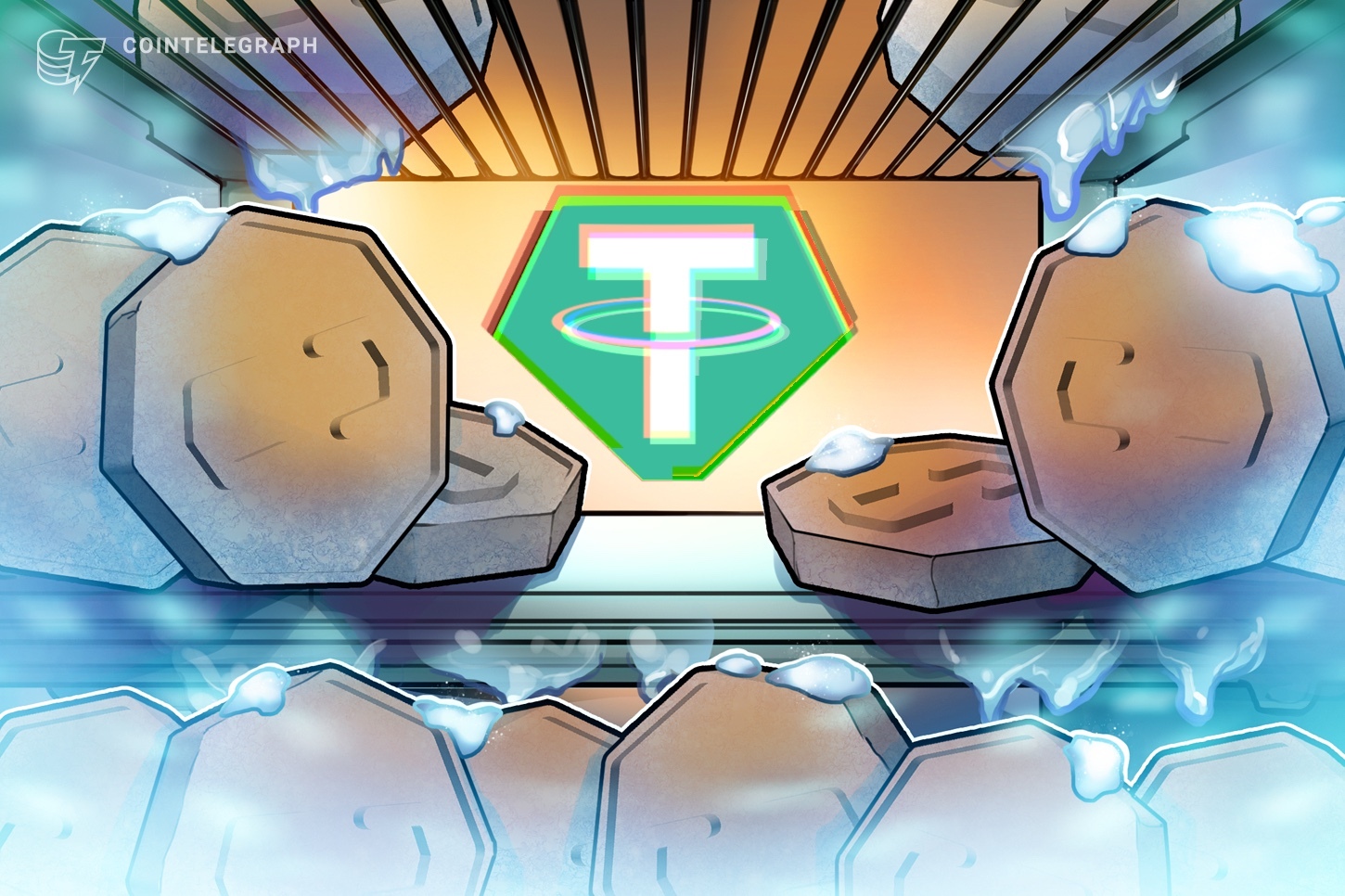
Chad Barraford, the technical lead behind THORChain, recently went public with a claim that should make every founder in this space pause. According to Barraford, Tether—the issuer of the world’s most dominant stablecoin—temporarily froze USDT held within THORChain’s vaults. Even more unsettling is the report that the funds were eventually unfrozen without a single word of explanation or a formal notice of why they were flagged in the first place.
If you’re a builder, this isn’t just a headline about two large protocols bumping heads. It is a fundamental warning about the systemic risk baked into the current crypto stack. We are building massive, complex cross-chain architectures, but we are fueling them with assets that have a built-in kill switch.
The Administrative Kill Switch
Tether operates as a centralized company. They have never hidden this, yet the industry treats USDT as if it were a neutral public good like Bitcoin. It isn’t. Tether maintains a blacklist function in their smart contracts that allows them to brick any address at the request of law enforcement or, theoretically, at their own discretion. When that address happens to be a liquidity vault for a major cross-chain protocol, the entire system feels the squeeze.
The issue here isn’t necessarily that Tether has this power—we knew that. The issue is the lack of transparency in how that power is exercised. If a protocol’s liquidity can be turned off and on like a kitchen faucet without so much as a support ticket or a public filing, we aren’t operating in a new financial paradigm. We’re just playing in a sandbox where the owner can kick us out whenever they feel like it.
For THORChain, a protocol designed to facilitate native asset swaps without intermediaries, this creates a massive reputational and operational headache. When a vault is frozen, the math stops working. Slippage spikes, swaps fail, and users lose confidence. The tech worked exactly as intended, but the underlying asset failed the test of censorship resistance.
What This Means for Founders
If you are building a DeFi product today, you have to ask yourself a hard question: How much of your TVL is actually yours? Most founders optimize for growth and liquidity, which naturally leads them to USDT and USDC. They are the most liquid pairs and the easiest to onboard. But this event shows that choosing the path of least resistance creates a single point of failure that you cannot code your way out of.
We see a lot of talk about decentralization, but very little talk about the sovereignty of the assets themselves. If your protocol relies on a centralized stablecoin, you have effectively outsourced your compliance and your risk management to a third party that doesn’t owe you an explanation. This creates a hidden debt that usually only comes due during a market crisis or a regulatory crackdown.
The Risk of Opaque Governance
The most frustrating part of the THORChain situation is the silence. If Tether froze the funds due to a specific security threat or a flagged exploit, sharing that information would actually help the ecosystem. It would allow developers to patch holes or blacklist malicious actors at the protocol level. By freezing and unfreezing without communication, Tether reinforces the idea that they are an opaque black box.
For builders, this means you can’t rely on these entities to be partners. They are service providers with their own agendas, and their primary loyalty is to their own regulatory standing, not your protocol’s uptime. You have to design your systems to be resilient to these kinds of interruptions, perhaps by diversifying treasury assets or building in automated failovers to more decentralized alternatives like LUSD or over-collateralized options.
The Cross-Chain Trap
THORChain is trying to do something incredibly difficult: bridge the gap between isolated blockchains. It’s one of the few projects actually working on the hard problem of native swaps. But the irony is that while they are solving the technical problem of cross-chain communication, they are still tethered—pun intended—to the legacy problems of centralized finance.
When you move value across chains, you are essentially managing a series of IOUs. If the IOU on the destination chain is controlled by a centralized issuer, the bridge is only as strong as the issuer’s willingness to let the transaction go through. This creates a paradox for builders. Do you prioritize the assets your users actually want to trade, or do you prioritize the assets that won't get your protocol bricked?
Takeaway for the Ecosystem
This incident is a wake-up call for anyone who thinks we’ve achieved meaningful decentralization. We are still in the "proxy" phase of this industry, where we use decentralized tools to move centralized money. As long as that remains true, every protocol is vulnerable to the whims of a few private companies.
If you’re a founder, start looking at your dependencies. If you have a vault or a pool that accounts for a significant portion of your volume, and that pool is controlled by an external administrator, you don’t have a decentralized protocol. You have a frontend for a centralized service. We need to stop pretending otherwise and start building toward true asset sovereignty, even if it’s the harder path to scale.
The silence from Tether following the unfreezing is perhaps the loudest message of all. It says that they don't have to explain themselves to the builders using their rails. If we want a different outcome, we have to start building on different rails.
Read the original at Cointelegraph →