When the history of the 2020s is written, we will look back at the great infrastructure pivot. We are watching companies that spent years perfecting the art of cooling thousands of buzzing ASIC machines suddenly realize they are sitting on the most valuable real estate of the decade. It is not about the hash rate anymore. It is about power, and specifically, the type of power that companies like Anthropic are willing to pay a premium for.
The Great Power Pivot
TeraWulf recently announced a massive $19 billion hosting agreement with AI heavyweight Anthropic. This is not just another press release about a new data center. It is a fundamental shift in the business model of what we used to call a Bitcoin miner. Today, TeraWulf is positioning itself as an AI infrastructure player, and for good reason. The market is currently valuing a megawatt of power for AI far higher than a megawatt of power for Bitcoin mining.
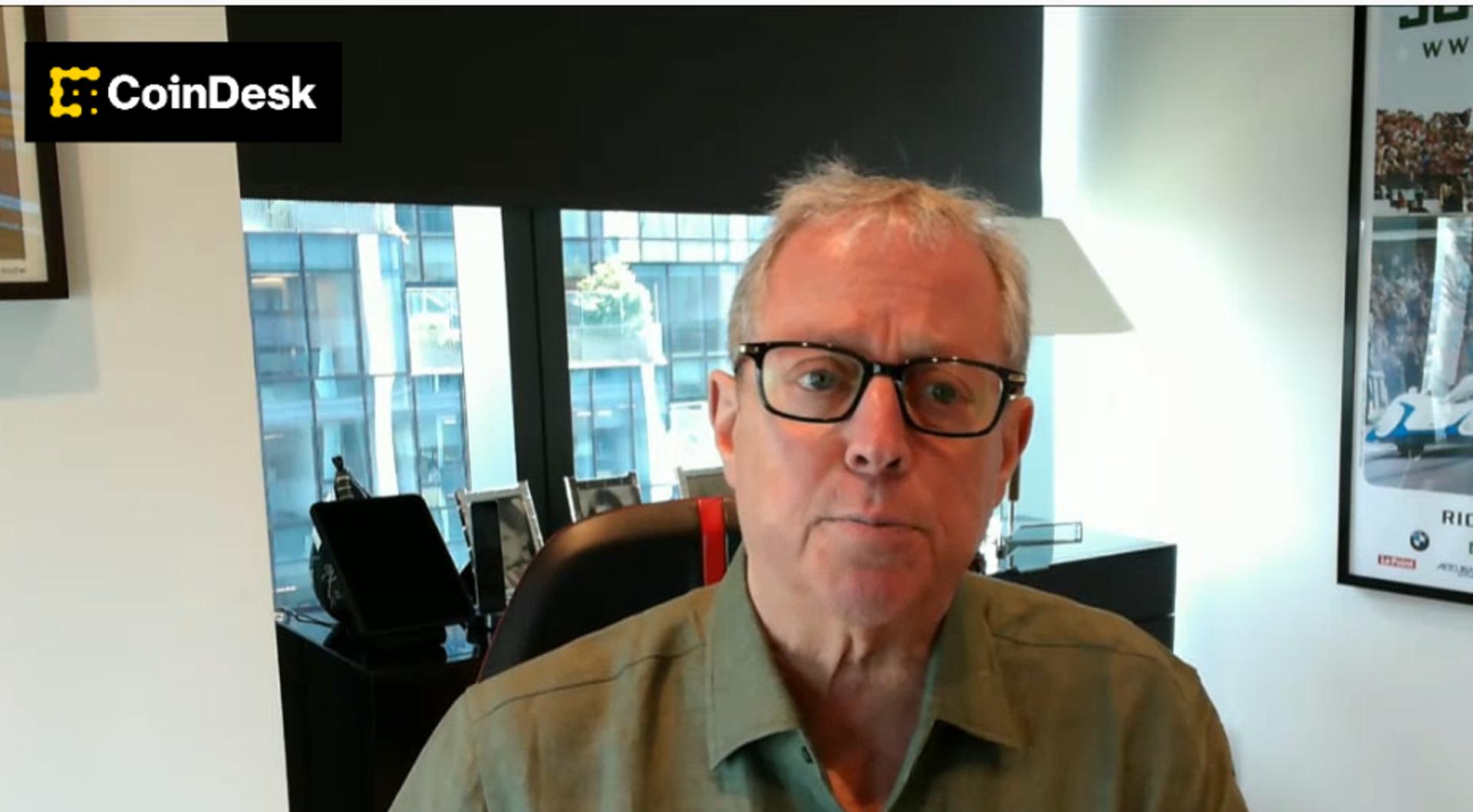
As a founder, you have to appreciate the agility here. These companies built high-voltage interconnects, cooling systems, and physical security for Bitcoin. They did the hard work of securing permits and land. Now, they are realizing that the exact same setup is the bottleneck for the entire artificial intelligence industry. The "megawatt" has become the unit of currency in the tech world, but as TeraWulf CEO Paul Prager rightly points out, not all megawatts are created equal.
Why All Megawatts Are Not Equal
In the mining world, you can get away with some instability. If a machine goes down for twenty minutes because of a power surge or a heat spike, you lose twenty minutes of mining. It’s annoying, but it isn’t a catastrophe. In the world of Large Language Models and high-performance computing, the requirements are much more stringent. You need Tier 3 or Tier 4 data center specifications—redundancy, battery backups, and incredibly sophisticated liquid cooling.
TeraWulf understands that to play in the AI big leagues, they can’t just point a fan at an H100 GPU and hope for the best. The deal with Anthropic suggests that TeraWulf has convinced one of the smartest teams in AI that their infrastructure is industrial-grade. It is one thing to mine a block; it is another to facilitate the training of a multi-billion parameter model without the whole rack melting or the power tripping.
The Founder Perspective: Infrastructure is the Moat
For those of us building in crypto or AI, the takeaway is clear: software is getting easier to build, but hardware and power are getting harder to find. If you are building an AI startup today, your biggest risk isn't necessarily your algorithm—it is whether or not you can get consistent compute time. This puts companies like TeraWulf in a uniquely powerful position. They are the new landlords.
We often talk about the "picks and shovels" of a gold rush. In the AI gold rush, the shovels are the GPUs, but the land you have to stand on to use the shovel is the power grid. By securing these multi-year, multi-billion dollar deals, miners are de-risking their entire business model. Bitcoin price volatility doesn't matter as much when you have a contractual obligation from a tech unicorn to pay for your electricity and cooling for the next decade.
The Skeptic's Lens
Of course, we have to look at this with a healthy dose of skepticism. Transitioning a site from mining to AI isn't as simple as swapping out cables. The capital expenditure required is staggering. You are moving from relatively cheap, manageable hardware to GPUs that cost $40,000 a piece and require significantly more expensive cooling environments.
There is also the question of whether or not these miners can actually operate as high-level service providers. Directing a mining pool is largely automated. Managing a high-performance compute center for a client like Anthropic requires a level of white-glove service and technical support that many miners aren't used to providing. TeraWulf is betting $19 billion that they can make that jump. If they fail to meet the service level agreements, the downside is massive.
What This Means for the Industry
I expect to see a massive consolidation in the mining sector. The miners who didn't secure long-term power contracts or didn't build sites that can be upgraded to AI standards are going to struggle. They will be stuck chasing the diminishing returns of the halving cycles while their neighbors are cashing checks from Big Tech.
For the rest of us, this signal confirms that the AI demand is not a bubble—or at least, the people with the most money on the line don't think it is. You don't sign a $19 billion infrastructure deal if you think LLMs are a passing fad. This is a long-term bet on the physical world supporting the digital expansion.
- Physical infrastructure is the new bottleneck for digital growth.
- Bitcoin miners are evolving into high-performance compute landlords.
- The quality and reliability of power (the "megawatt") is now a competitive differentiator.
- Diversification away from pure Bitcoin mining is the primary survival strategy for large-scale operations.
The Takeaway
The boundary between "crypto infrastructure" and "AI infrastructure" has officially vanished. If you have the power and the cooling, you have the leverage. TeraWulf's pivot shows that the real winners of the next five years won't just be the ones writing the code, but the ones who own the plugs the code runs on.
Read the original at CoinDesk →