The Shift in Saylor’s Playbook
For the better part of three years, the narrative surrounding MicroStrategy has been remarkably simple: take every available dollar, leverage whatever credit is available, and buy as much Bitcoin as humanly possible. It was a one-track mind approach that turned a legacy software firm into the world’s largest corporate holder of digital gold. But the latest filings show a subtle, yet significant, deviation in how they are moving their chips across the board.
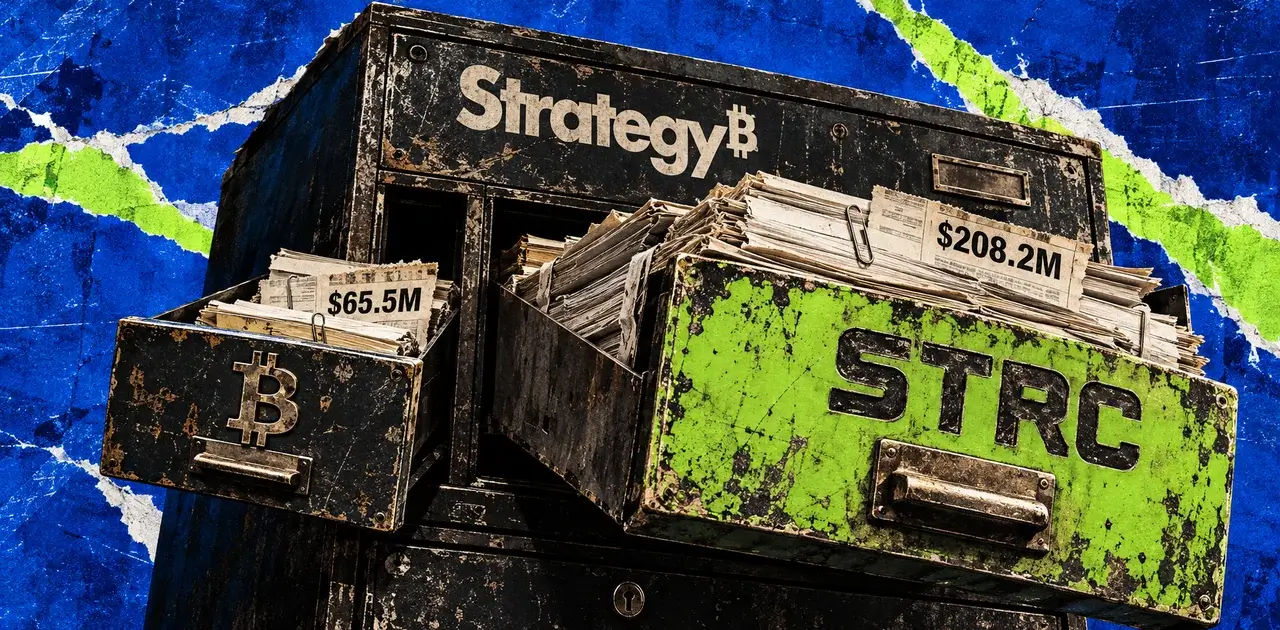
During the week ending November 1, MicroStrategy’s deployable cash dropped by a staggering 45%. We are looking at a slide from $242 million down to $133 million in a matter of days. For a company that usually broadcasts its aggressive accumulation phases, the reason for this drawdown wasn't another massive BTC candle. Instead, the company spent more on buying back its own preferred stock than it did on adding to its Bitcoin stack.
Managing the Debt Monster
To understand why this matters, you have to look past the laser eyes on Twitter. MicroStrategy isn't just a Bitcoin proxy; it is a complex financial engine built on layers of debt and equity issuance. The $133 million remaining in their general treasury is what they use for day-to-day operations and broader strategic moves. Seeing this number drop so sharply suggests that Michael Saylor and his team are starting to prioritize the structural integrity of their balance sheet over pure accumulation.
They still bought Bitcoin, of course. During this period, the firm picked up another 811 BTC. But in the context of their total holdings, that is a drop in the bucket. The real story is the preferred-stock buyback. By retiring this stock, they are effectively reducing their future obligations and cleaning up the cap table. It is a defensive move in an environment where capital is becoming more expensive and the market is getting choppy.
The Two-Pocket System
It is important to distinguish between their operating cash and their reserves. While the general fund took a hit, MicroStrategy is still sitting on a massive $4.79 billion reserve specifically earmarked for dividends on preferred stock and interest payments on their massive debt load. This is the war chest that keeps the lights on and the creditors at bay.
As a builder, this is a lesson in treasury management. Even the most bullish Bitcoin maximalists in the corporate world realize they cannot ignore the mechanics of traditional finance. You can believe in a decentralized future all you want, but if you can't service your debt or manage your equity, the market will eventually chew you up. The move to buy back stock suggests that leadership sees their own equity as undervalued, or at the very least, a more pressing priority than adding a few more satoshis to the pile at current prices.
Why Builders Should Care
We often talk about "diamond hands" and holding through the volatility, but MicroStrategy’s recent activity proves that real-world business requirements always come first. If you are building a startup in this space, you need to watch how the big players manage liquidity. They aren't just blindly buying; they are constantly rebalancing their liabilities.
The 45% drop in deployable cash might look like a red flag to some, but it is actually a sign of maturity. It shows that the company is willing to slow down its BTC acquisition pace to ensure its long-term survival. They are moving away from being a "Bitcoin buying machine" and toward becoming a sustainable financial entity that happens to own a lot of Bitcoin.
The Skeptic's Corner
Let’s be honest: the optics of spending more on buybacks than Bitcoin won't sit well with the hardcore community. There is an expectation that every spare cent should go into the protocol. However, the reality of running a public company is that you have to satisfy shareholders who might be worried about dilution or the cost of capital. By retiring preferred stock, MicroStrategy is essentially saying they want a leaner, more efficient engine.
The question for the next quarter is whether this is a one-time adjustment or a new trend. If the deployable cash continues to dwindle while Bitcoin prices remain high, the pace of their legendary "BTC yield" might start to stall. We are seeing the limits of how much leverage a single company can reasonably sustain without starting to prune its own hedges.
Takeaway for Founders
Don't get blinded by the Bitcoin hype. Even the most aggressive advocates for the asset have to play by the rules of cash flow and debt management. If you are managing a treasury, your first priority is keeping the doors open and your cap table clean. Bitcoin is a tool, but your capital structure is the foundation. MicroStrategy is currently reinforcing their foundation, even if it means buying fewer coins this week. That isn't a retreat; it's basic business hygiene.
Read the original at CryptoSlate →