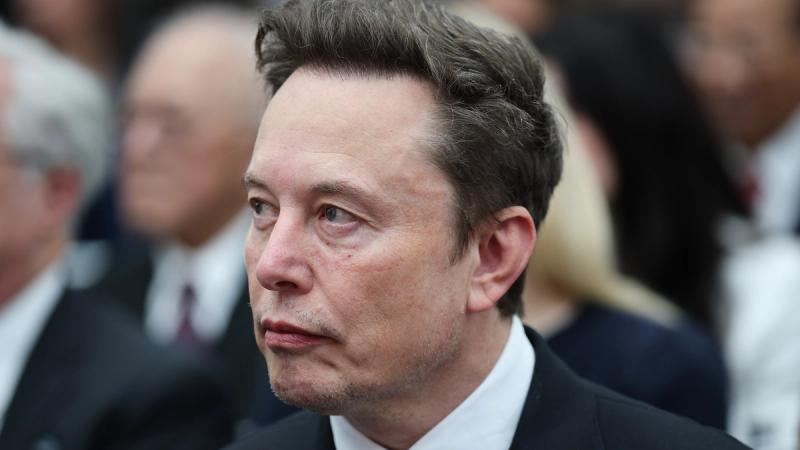
We have spent the last decade watching Elon Musk juggle multiple hats. Usually, he is running these companies as separate kingdoms with their own boards, their own balance sheets, and their own distinct missions. But the latest chatter about a potential merger between Tesla and SpaceX changes the game for anyone tracking corporate treasury strategies.
This isn't just about rockets meeting electric cars. It is about the consolidation of one of the largest stacks of Bitcoin held by any private or public entity. According to current reports, independent committees are crunching the numbers to see if a tie-up makes sense. If it happens, we are looking at a combined entity holding more than 30,000 Bitcoin. That is a massive concentrated bet on a single digital asset under one roof.
The Math of the Merger
For the uninitiated, Tesla was the headline-maker back in 2021 when it dropped $1.5 billion into Bitcoin. Since then, they have trimmed the position, but they still hold a significant amount. SpaceX, being private, has been much more opaque about its holdings, but we know they are in the game. Combining these two creates a treasury profile that looks less like a manufacturing company and more like a macro hedge fund.
From a founder's perspective, this move looks like an attempt to streamline operational overhead while leveraging SpaceX's current momentum. SpaceX is coming off strong earnings, which is providing a nice tailwind for the stock price just as Tesla prepares to report its own results. By merging, Musk can effectively use the strength of the space business to shore up the volatility often associated with the EV sector.
Why Builders Should Care
If you are building in the crypto or AI space, you might wonder why a merger between a car company and a rocket company matters to you. It matters because of the precedent it sets for corporate balance sheets. For years, the narrative was that Bitcoin was too volatile for serious industrial companies to hold long-term. If a merged Tesla-SpaceX entity doubles down on this treasury, it validates the idea of Bitcoin as a primary reserve asset for infrastructure-heavy businesses.
We are seeing a shift away from the "move fast and break things" era of crypto into the "industrial utility" phase. When you have companies that literally build the future of transport and space exploration holding billions in digital currency, it forces the traditional finance world to stop calling it a toy. It becomes a tool for liquidity and a hedge against the very inflation that makes building hardware so expensive.
The Skeptic's Corner
I wouldn't be doing my job if I didn't point out the risks. Mergers of this scale are messy. You have two different cultures, two different sets of regulators, and two different investor bases. Tesla shareholders bought into a green energy and AI play. SpaceX investors bought into the colonization of Mars. Forcing them together creates a massive target for regulators who already have Musk in their sights.
Then there is the concentration risk. If 30,000 Bitcoin are sitting under one corporate umbrella, any movement of that wallet becomes a market-moving event. We saw what happened when Tesla sold a portion of its holdings previously—the market caught a cold. A merger concentrates that power, which isn't always a good thing for the health of a decentralized ecosystem.
The Founder's Takeaway
If you are running a startup, don't look at this as a signal to go dump your runway into Bitcoin. These are outliers. However, do pay attention to how they use their treasury to fund R&D. The real story here is how these companies are attempting to decouple themselves from the standard banking rails by building their own massive reserves.
- Watch the committee reports: The details on how they value the Bitcoin during the merger will be a blueprint for future M&A activity in the space.
- Keep an eye on the SpaceX earnings: Their profitability is what is making this merger even remotely possible.
- Don't ignore the regulatory friction: This will likely trigger new conversations about how much crypto a public company can hold before it's classified differently.
Ultimately, this merger is about scale. Musk is trying to build a vertically integrated empire that spans from the ground to the stars, fueled by a digital asset that doesn't care about borders or traditional banking hours. It is a bold move, maybe even a reckless one, but it is exactly the kind of builder-first aggression that defines this era of technology.
We will see if the committees agree that the synergies are worth the scrutiny. For now, the takeaway is clear: the wall between big tech, heavy industry, and digital assets is effectively gone.
Read the original at CoinDesk →