The Regulatory Finish Line
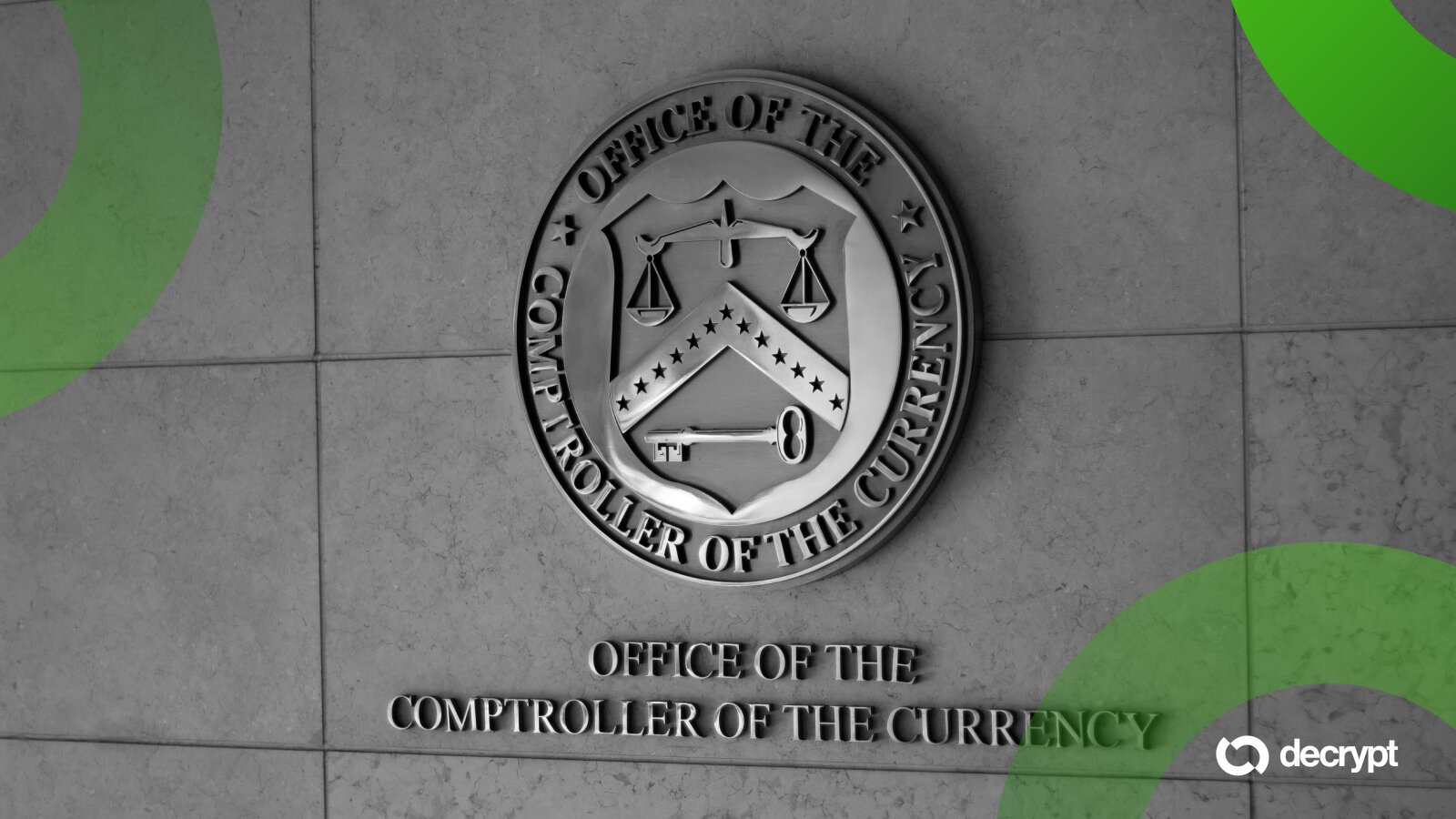
For years, we have been waiting for the other shoe to drop regarding stablecoin regulation in the United States. The Office of the Comptroller of the Currency (OCC) just took a massive step by finalizing the rules for the GENIUS Act. This isn't just another boring administrative update; it is the framework that will determine which builders get to play in the big leagues of American finance and which ones will be relegated to the offshore fringes.
The timing is aggressive. By finalizing these standards ahead of the January deadline, the OCC is sending a signal that they want the rails for digital dollars to be ready for institutional adoption. However, there is a catch that every founder needs to pay attention to: they haven't actually said when they will start taking applications. We have the rulebook, but the stadium doors are still locked.
The Burden of Reserves
If you are building in the stablecoin space, the most critical part of this new rule revolves around reserves. The OCC isn't playing around with algorithmic experiments or complex rehypothecation schemes. They are demanding high-quality, liquid assets. We are talking about cash and short-term government securities. For the builder, this means the days of opaque balance sheets and 'trust us' accounting are over.
This creates a significant barrier to entry. If you don't have the institutional relationships to park billions in low-yield, high-safety assets while maintaining a massive liquidity buffer, you aren't an issuer—you're just a hobbyist. For those of us who value decentralization, this is a bittersweet moment. It brings the legitimacy required for mass adoption, but it also tethers the technology firmly to the existing banking hierarchy.
Redemption is the Real Test
We have seen what happens when redemption mechanisms fail. The GENIUS Act focuses heavily on ensuring that a digital dollar is actually worth a dollar, at all times, for everyone. The new standards mandate clear, rapid redemption processes. You can't have a stablecoin that takes three days to settle back into fiat if you want to be an OCC-regulated entity.
For developers, this means the smart contracts and the backend treasury management systems have to be perfectly synced. You can't have a lag between the burning of a token and the wire transfer of the underlying asset. This requirement will likely push many issuers toward private ledger solutions or highly permissioned versions of public chains where settlement finality is guaranteed and immediate.
What This Means for Builders
If you are a founder, you need to look at this as a roadmap for your compliance debt. Even if you aren't planning to apply for an OCC charter tomorrow, these rules will become the industry standard. VCs are going to start asking how your project aligns with GENIUS Act standards during your next seed round. If your architecture doesn't allow for the level of transparency and auditability these rules demand, you are building a product that is already obsolete.
- Focus on Auditability: Real-time proof of reserves is no longer a luxury; it is a requirement.
- Treasury Management: Founders need to stop thinking like software engineers and start thinking like bank treasurers.
- Regulatory Lag: The gap between the rules being finalized and applications being accepted gives you a window to pivot your architecture. Use it.
The Skeptics Corner
Here is my honest take: the OCC is trying to bring crypto into the tent so they can watch it more closely. By setting these high bars for reserves and redemptions, they are essentially turning stablecoin issuers into narrowly focused banks. This kills the 'move fast and break things' ethos that birthed this industry. While this brings stability, it also brings a level of bureaucracy that might stifle the very innovation that made stablecoins useful in the first place.
We also have to address the elephant in the room: the lack of an application date. It is a classic bureaucratic move. They get the credit for 'providing clarity' while maintaining total control over the pace of entry. It allows them to gatekeep the industry, letting in only the most well-capitalized and politically connected players first.
Final Takeaway for Founders
The GENIUS Act isn't a suggestion; it is the new floor. If you want to build the future of money in the US, you have to be ready to operate under the same scrutiny as a regional bank. The era of the unregulated stablecoin is ending, and the era of the 'Digital Federal Reserve' style issuer is beginning. Build for compliance now, or prepare to be sidelined when the application window finally opens.
Read the original at Decrypt →