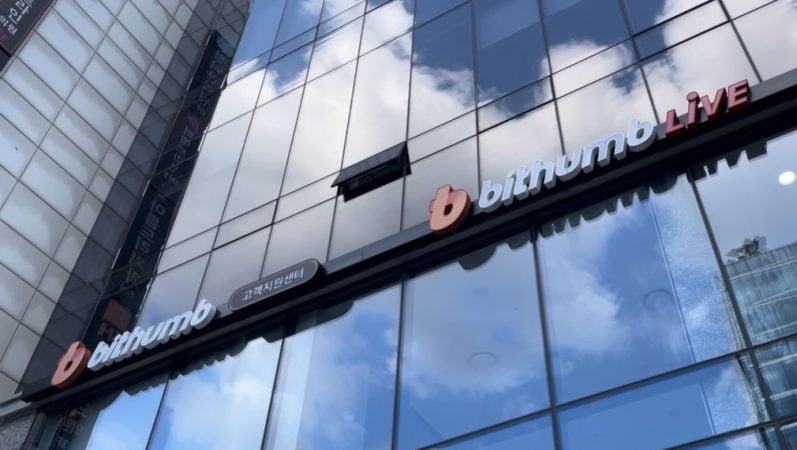
South Korea is a weird place for crypto. It has some of the highest retail volume in the world, yet the regulatory landscape is so tight it feels like walking through a minefield. Bithumb, the country's second-largest exchange, just announced its roadmap for a public listing. They aren't rushing. They are looking at 2028.
For a founder in this space, four years is a lifetime. In crypto years, it is practically an era. But this timeline isn't about being slow; it is about the reality of surviving the South Korean legal system and the internal corporate drama that has haunted the exchange for years. If Bithumb actually makes it to the KOSDAQ, it will be the first digital asset exchange to do so in the country. That is a massive 'if'.
The Long Game in a High-Speed Market
Bithumb has been trying to figure out its identity for a while. Right now, it sits in the shadow of Upbit, which controls the lion's share of the Korean market. To compete, Bithumb has been playing with zero-fee structures and trying to lure retail traders back. But an IPO isn't about retail volume; it is about legitimacy.
According to their new roadmap, the official filing for a preliminary listing review won't even happen until 2027. This suggests the next three years are going to be spent cleaning house. They have to prove to the Financial Services Commission (FSC) and the Korea Exchange that they aren't just a casino, but a stable, transparent financial institution. For those of us building in AI and blockchain, this is a reminder that the "move fast and break things" era is hitting a brick wall called compliance.
Why 2028 Matters for Builders
Why should we care about a Korean exchange listing four years from now? Because South Korea is a bellwether for how governments handle crypto-native companies that want to go mainstream. If Bithumb succeeds, it creates a blueprint for how a high-volume, high-risk business transitions into a regulated public entity.
- Transparency Requirements: Bithumb has to resolve its ownership opacity. For developers building decentralized protocols, this is a lesson: cap tables and governance structures eventually matter to the people with the big checks.
- Market Stability: A public listing means quarterly audits and public scrutiny. This could reduce the "Kimchi Premium" volatility that often skews global price data.
- Institutional Entry: If Bithumb is public, it becomes a safer gateway for traditional Korean institutional capital to flow into the broader ecosystem.
We see a lot of founders trying to bypass the legacy system entirely. Bithumb is doing the opposite. They are trying to weave themselves into the fabric of the traditional economy. It is a grind, and it is expensive, but it might be the only way to survive long-term in a jurisdiction that doesn't like surprises.
The Shadow of Governance
You can't talk about Bithumb without talking about the baggage. The exchange has dealt with leadership changes, legal investigations, and questions about who actually pulls the strings. The 2028 target is likely a buffer to let these issues settle. The Korean authorities are not known for being lenient. They want to see a clear separation between the exchange operations and the private interests of its shareholders.
This is where the skepticism kicks in. We have seen these IPO promises before. Sometimes they are just a way to keep investors happy during a bear market. However, by setting a 2027 review date, Bithumb is putting itself on a specific clock. They are signaling to the regulators that they are willing to be poked and prodded for the next few years.
A Reality Check on the Roadmap
Building a multi-year roadmap in crypto is inherently risky. By 2028, the technological landscape will be unrecognizable. We will likely have AI agents executing the majority of on-chain trades. The very concept of a centralized exchange might look different. Bithumb is betting that the old-school model of a regulated gateway will still be the dominant way people access wealth.
The move toward an IPO is less about innovation and more about institutionalization. It is a sign that the wild west days are being traded for the safety of the stock exchange.
For founders, the takeaway here is about stamina. If you are building a platform that handles user funds or operates as a bridge between fiat and crypto, your regulatory debt will eventually come due. Bithumb is starting to pay that debt now. They are opting for the slow, painful path of legitimacy over the fast path of unregulated growth.
The Competitive Moat
Upbit currently feels untouchable in Korea. They have the user experience and the banking partnerships locked down. Bithumb’s IPO is an attempt to build a different kind of moat: trust through public accountability. If they can get the KOSDAQ stamp of approval, they gain a level of prestige that Upbit—currently a private entity—doesn't have to maintain to the same public standard.
It’s a bold play, but it’s also a defensive one. As the South Korean government tightens the Virtual Asset User Protection Act, being "just an exchange" isn't enough anymore. You have to be a regulated financial service provider. The IPO is the ultimate proof of that transition.
Final Thoughts for the Ecosystem
Don't expect this to change the market today. This is a slow-burn story. But watch how Bithumb handles its internal governance over the next 18 months. If they start cleaning up their board and providing more transparent financial reporting, it means they are serious. If they don't, 2028 will come and go without a listing.
We need more companies to try this, even if they fail. We need to know where the boundaries are between the decentralized world we are building and the regulated world we have to live in. Bithumb is effectively volunteering to be the test case.
The path to 2028 is going to be full of regulatory pivots and market shifts. For the builders watching from the sidelines, the message is clear: if you want to be around in a decade, you better start thinking about your 2027 audit today.
Read the original at The Block →