The Public Treasury Pivot
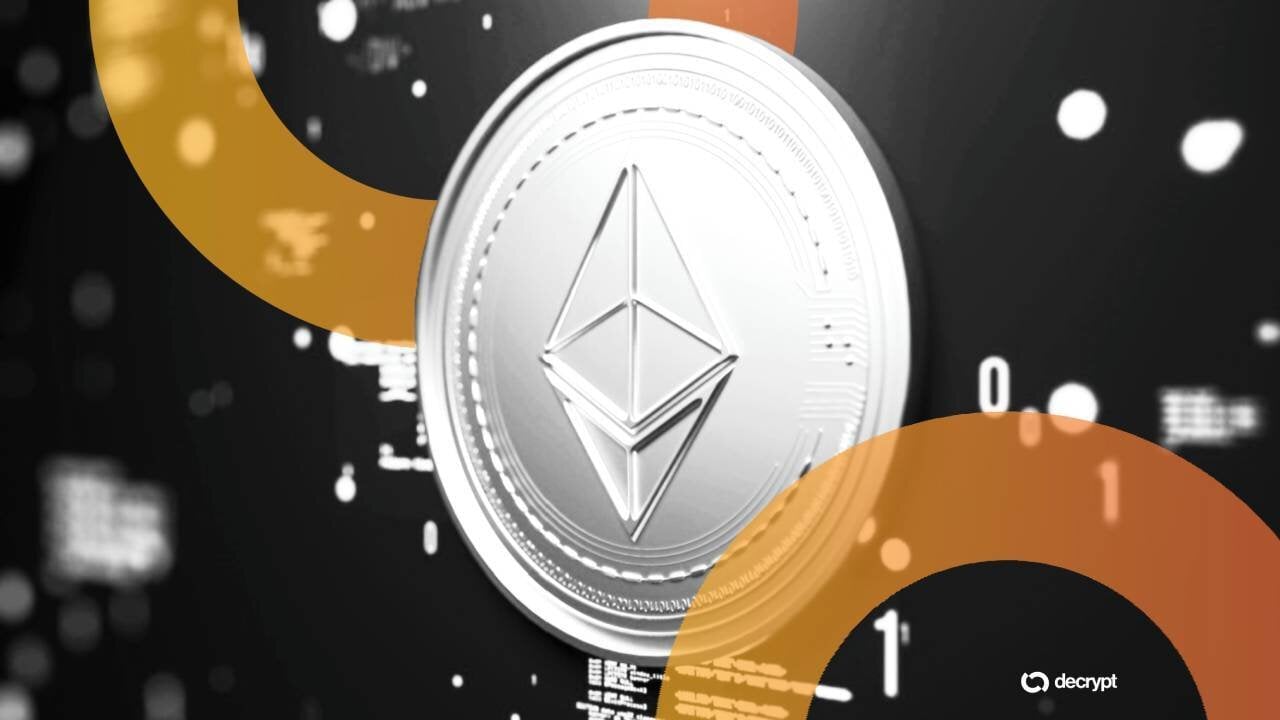
Last week, Sharplink made a move that few expected in the current market environment. They dropped roughly $16 million into Ethereum. For a company that has been relatively quiet on the acquisition front since last year, this wasn't just a random trade. It was a calculated bet on the underlying plumbing of the digital economy at a time when most retail investors are looking for the exit doors.
We need to look at the numbers first. Ethereum is currently sitting around 68% below its all-time high. For the average day trader, that looks like a disaster. For a founder or a treasury manager looking at a five-to-ten-year horizon, that looks like a discount on the world's most active settlement layer. Sharplink isn't buying this because they think it will double by next Tuesday; they are buying it because they want a seat at the table for the next decade of decentralized finance.
Value Over Hype
Building in crypto usually involves two types of people: those who chase the flavor of the week and those who buy the infrastructure. Sharplink is firmly in the latter camp. By putting $16 million into ETH now, they are effectively saying that the volatility of the present is irrelevant compared to the utility of the network. This is the first time they've touched the buy button in 2026, and the timing is telling.
When you look at the broader market, there is a lot of noise about Layer 2s, high-throughput sidechains, and the next 'Ethereum killer.' But if you look at where the actual institutional liquidity lives, it is still anchored to Ethereum. Sharplink’s move reinforces the idea that despite the price action, the network effect of the mainnet remains the primary gravitational pull for serious capital.
The Founder's Perspective
As builders, we often get caught up in the 'price is the product' mentality. If the token is down, we assume the technology is failing. This treasury move proves that professional capital operates on a different frequency. They aren't looking at the 4-hour chart. They are looking at the burn rate, the developer activity, and the cost of entry compared to previous cycles.
Buying when a major asset is down nearly 70% from its peak is a classic contrarian move, but it is also a survival tactic. By diversifying into ETH, Sharplink is positioning itself to benefit from the network's deflationary mechanics and staking yields without having to build the entire stack themselves. It is a way to outsource their infrastructure growth to the thousands of developers currently maintaining the Ethereum ecosystem.
Risk and Responsibility
It is worth noting that this isn't a risk-free play. Crypto volatility can slaughter a balance sheet if the timing is off. However, public companies have a fiduciary duty to their shareholders. Making a $16 million buy in a down market suggests they have a high degree of confidence that the bottom is either in, or close enough that the long-term upside outweighs the short-term pain. They are treating ETH like a commodity, not a meme.
For those of us building products in this space, this should serve as a signal. If the 'smart money' is starting to accumulate again after a long hiatus, it means the period of extreme uncertainty might be shifting into a period of consolidation. It’s a reminder that the best time to acquire resources is when everyone else is too afraid to look at their portfolio.
What This Means for the Roadmap
- Institutional Validation: Continued treasury adoption provides a floor for the ecosystem that retail sentiment cannot.
- Capital Efficiency: Using ETH as a treasury asset allows firms to participate in the network's economics directly.
- Infrastructure Maturity: We are moving past the 'experimental' phase and into the 'asset class' phase for public companies.
"The best time to build is in the quiet, and the best time to buy is in the red."
Sharplink’s $16 million entry isn't just a news headline; it is a tactical deployment. It tells us that the giants are still hungry, even if the rest of the market is fasting. As a founder, your job isn't to time the market, but to understand who holds the chips. Right now, the chips are moving back into the hands of those who plan to stay for the long haul.
The Takeaway
Don't let the 68% drawdown fool you into thinking the tech is dead. Sharplink just spent $16 million to prove the opposite. If you're building on Ethereum, you're building on the same ground that institutional treasuries are now betting their future on. Stay focused on the utility, ignore the noise, and remember that real value is often found in the wreckage of a crash.
Read the original at Decrypt →