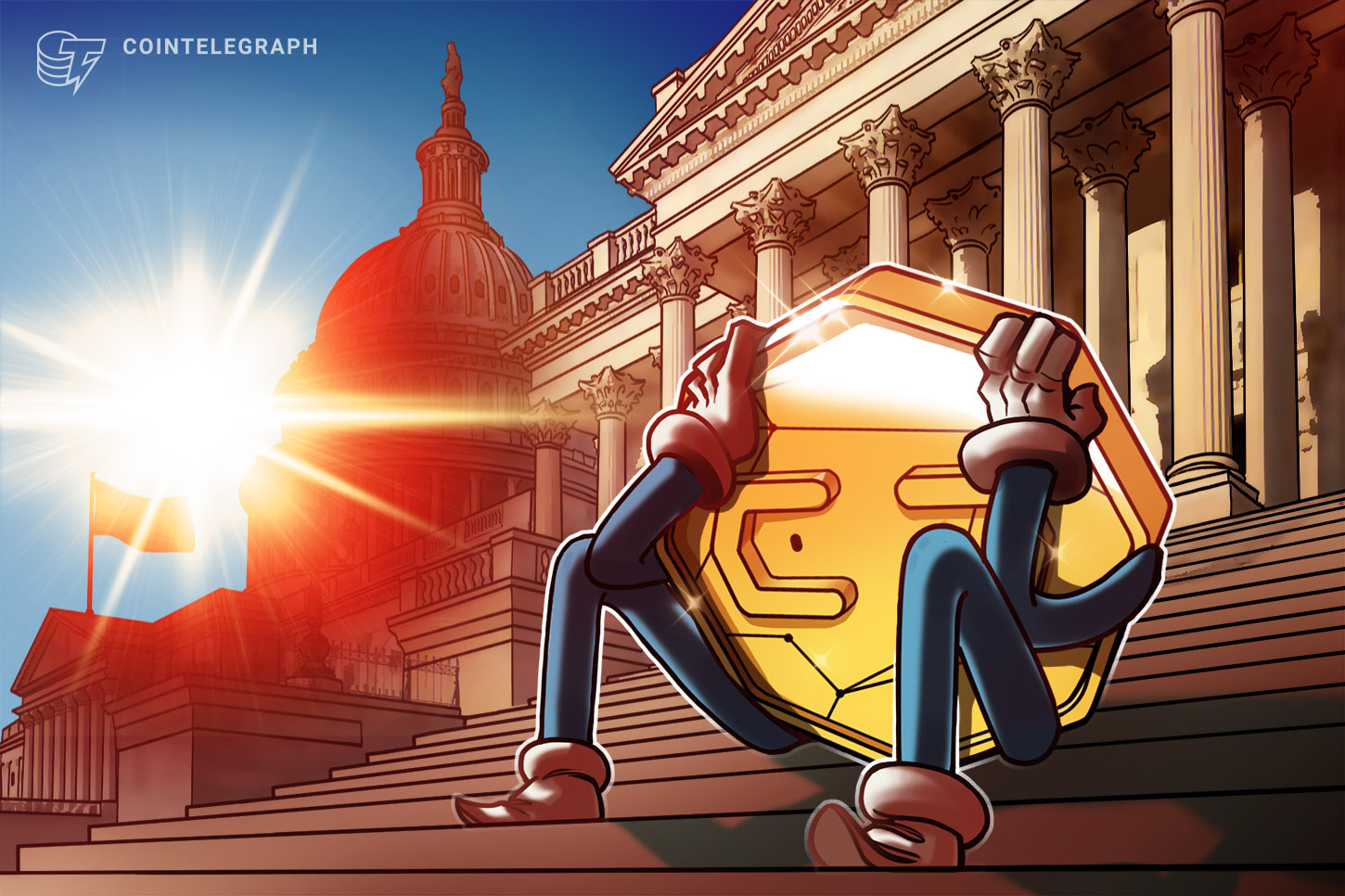
We are watching the intersection of policy and personal profit play out in real time, and it is rarely pretty. Recently, five Senate Democrats signaled they want formal hearings into Donald Trump’s connections with the crypto industry. They are specifically looking at potential influence from foreign entities, including those linked to the United Arab Emirates, and how that might sway future U.S. policy.
For those of us building in this space, this isn't just another political headline. It identifies a massive risk for the legislative progress we actually need. The timing is particularly frustrating because it coincides with discussions around the CLARITY Act, a piece of legislation that was supposed to finally give stablecoin issuers a roadmap. Now, that roadmap is being buried under partisan maneuvering.
The Conflict of Interest Problem
The core of the issue involves World Liberty Financial, a crypto project tied to the Trump family. Critics argue that when a president—or a potential president—has a direct financial stake in a specific crypto venture, every policy decision they make looks like a favor for their own pocketbook. This is standard political optics, but the stakes are higher when foreign funding enters the chat.
Reports suggest that entities with ties to the UAE might be involved in the funding or support of these ventures. To the senators calling for these hearings, this isn't just about crypto; it is about national security and the integrity of the Executive Branch. For a founder, this is a nightmare scenario. We want crypto to be treated as a neutral technology, like the internet or a database. Instead, it is becoming a proxy for international influence peddling.
Why the CLARITY Act Matters
To understand why this friction is so damaging, you have to look at the CLARITY Act. This bill was designed to establish a federal framework for stablecoins. It aims to set standards for reserves, consumer protection, and operational transparency. For builders, this is the holy grail. It means you can build a stablecoin product without wondering if the SEC or the Fed will show up at your door with a cease-and-desist order the next morning.
Stablecoins are the bridge between the legacy financial system and the on-chain economy. If we don’t get federal clarity on them, the U.S. continues to lose ground to regions like the EU, which already has MiCA in place. By tying the CLARITY Act to a political investigation into Trump’s finances, the Senate risks stalling the most important piece of crypto legislation we have seen in years.
The Builder’s Perspective
I have spoken with plenty of founders who are tired of being used as pawns. When crypto is discussed in D.C., it is rarely about the tech or the utility. It is about who can use it to score points against their opponent. If these hearings move forward, expect the narrative to shift away from "how do we regulate stablecoins efficiently?" to "is crypto a tool for corruption?"
As a founder, you need to prepare for two things. First, expect more volatility in the regulatory environment. We are not going to get a clean, simple answer on stablecoins anytime soon if the debate is centered on one man’s business deals. Second, you have to realize that transparency is no longer optional. If the government is looking for reasons to crack down on "influence," they will start with projects that have opaque funding structures or vague ties to international entities.
- Political scrutiny on high-profile figures creates collateral damage for small startups.
- Foreign investment into U.S.-based crypto projects will likely face increased vetting.
- Legislation like the CLARITY Act may be delayed until after the next election cycle.
The Risk of Foreign Influence Narrative
The mention of the UAE is significant here. The Middle East has been incredibly aggressive in attracting crypto talent, often offering the kind of regulatory certainty that the U.S. refuses to provide. If the Senate frames UAE involvement as a security threat, it could lead to stricter controls on cross-border capital flows. This would be a blow to the global nature of decentralized finance.
We should be encouraging global collaboration. Instead, the current political climate is pushing us toward a siloed, nationalist version of crypto regulation. This goes against everything the original cypherpunks intended. It limits liquidity, slows down innovation, and creates a massive barrier to entry for anyone who doesn't have a legal team the size of a small city.
Moving Forward Without a Roadmap
What do we do while the suits in Washington argue? We keep building, but we build with an eye on the exit. Not an exit from the industry, but an exit from reliance on American regulatory sanity. If you are building a product that requires a stablecoin, you should be looking at how to integrate non-U.S. regulated assets just in case the CLARITY Act dies on the Senate floor.
It is also worth noting that the skepticism isn't entirely unfounded. Builders should want a clean industry. If there are actors—no matter how powerful—using crypto to circumvent traditional ethics rules, that reflects poorly on all of us. The irony is that blockchain is the ultimate transparency tool. If the Senate actually understood the tech, they’d realize that the ledger tells the story better than any hearing ever could.
The biggest threat to crypto isn't a market crash; it's being turned into a partisan weapon. When technology becomes a political football, the builders are the ones who get tackled.
We are entering a phase where the "crypto bro" tropes are being replaced by "geopolitical asset" tropes. Neither is particularly helpful for the guy trying to build a better payment gateway or a decentralized lending protocol. We need to push back against the idea that crypto policy is a zero-sum game between Democrats and Republicans.
Expect the next few months to be filled with grandstanding. There will be letters, there will be subpoenas, and there will be a lot of noise. Your job is to filter that noise. If you are making decisions based on the latest tweet from a Senator, you are playing a losing game. Focus on the code, focus on the users, and realize that the legislative process is currently a theater production designed for a very specific audience.
The takeaway here is simple: Politics is currently the biggest bottleneck to innovation. Until we can decouple the technology from the personalities, we are going to be stuck in this loop of investigations and delays. Build for a world where the CLARITY Act doesn't pass, and if it does, consider it a bonus, not a baseline.
Read the original at Cointelegraph →