The Exchange Pivot
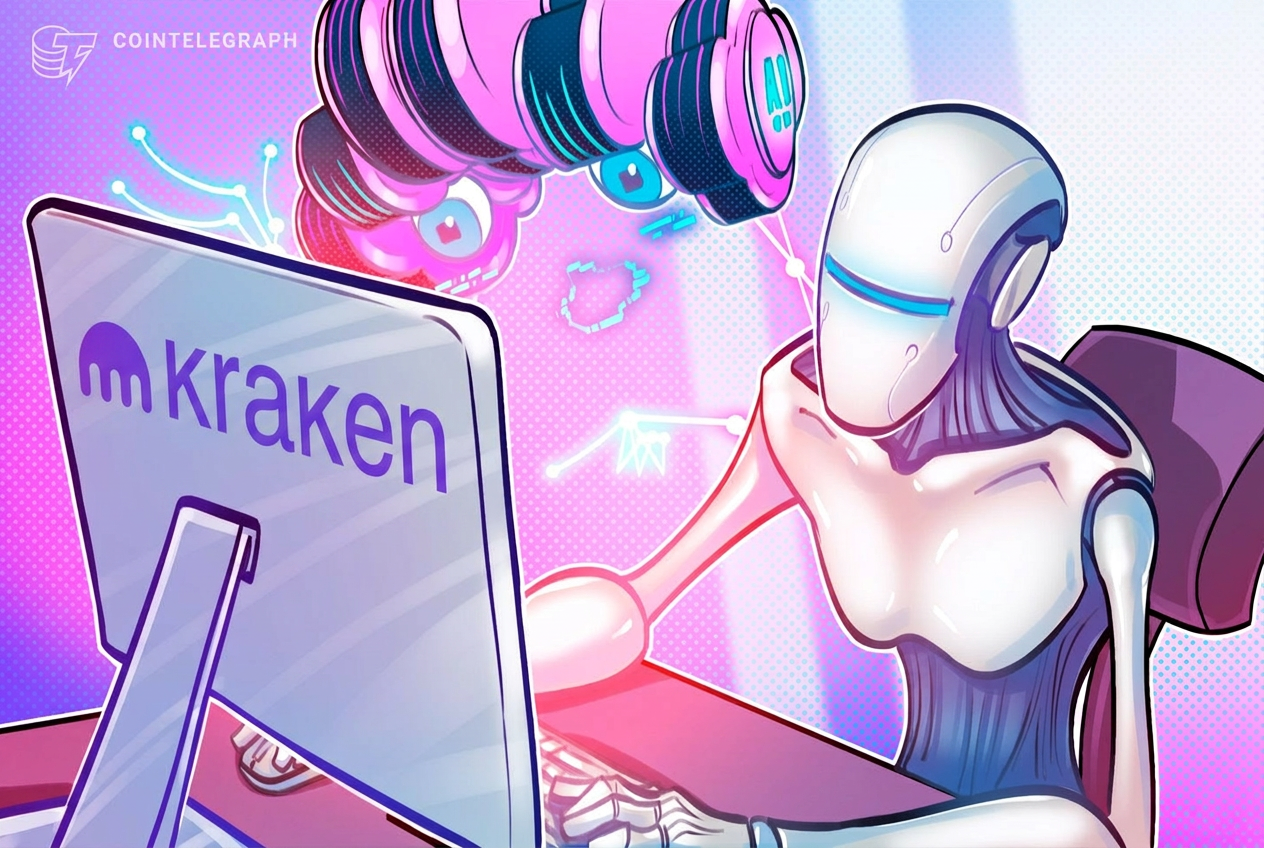
For years, the formula for a crypto exchange was simple: list as many tokens as possible, keep the matching engine fast, and try not to get hacked. But as the market matures, simply being a venue for trades isn't enough to keep users loyal. Kraken is now signalling a massive shift in its product philosophy. They aren't just updating their interface; they are rebuilding the entire mobile experience around the concept of AI-powered trading agents.
This isn't a surprise to anyone watching the broader fintech space. We’ve seen traditional finance move toward robo-advisors, but the crypto version has always felt a bit clunky—mostly automated bots following basic moving averages. Kraken’s plan suggests something deeper. They want to move away from being a passive dashboard where you stare at candles and toward an active assistant that understands your financial goals and suggests moves based on real-time data.
Moving Past the Terminal UI
If you look at most exchange apps today, they are essentially shrunken versions of a professional trading terminal. You have the order book, the chart, and a buy/sell button. For the average person, this is intimidating and often counterproductive. Most builders in the space have focused on adding features rather than refining the user’s intent. Kraken’s redesign aims to flip this.
By integrating AI agents directly into the core navigation, the goal is to lower the barrier to entry for complex strategies. If a user wants to hedge against a specific market drop or dollar-cost average into a portfolio of layer-1 tokens, they shouldn't have to set up five different manual triggers. The AI acts as the connective tissue between the user's brain and the exchange’s liquidity. This is a builder-first approach because it focuses on the outcome—wealth management—rather than the process—navigating a complex menu.
The Risks of Automated Advice
As a founder, when I hear "AI-powered trading," my skepticism kicks in immediately. There is a massive regulatory and ethical hurdle here. When an exchange moves from being a neutral tool to an active advisor, the liability shift is significant. If an AI agent recommends a trade that goes south, who is responsible? Is it the user who approved the prompt, or the exchange that tuned the model?
We also have to consider the data bias. An exchange has a vested interest in volume. If an AI agent is incentivized to keep a user active, it might suggest trades that benefit the exchange’s bottom line through fees, rather than the user’s long-term portfolio health. For Kraken to succeed with this, they will have to be remarkably transparent about how these agents are weighted. Builders looking at this model should take note: trust is harder to build than code. If the AI feels like a salesperson instead of a partner, users will flee back to manual trading or decentralized alternatives.
The Broader Strategy: A Financial Super-App
Kraken’s pivot isn't happening in a vacuum. They are clearly looking at what Robinhood and Revolut have done by blurring the lines between crypto, stocks, and banking. By leading with AI, Kraken is trying to skip a generation of UI development. Instead of building a better menu, they are trying to eliminate the need for menus entirely.
This is a play for the "lazy" capital—the trillions of dollars sitting in traditional accounts that haven't moved into crypto because the learning curve is too steep. If you can tell an app, "I want to save $500 a month and have it grow with moderate risk," and the AI handles the rebalancing across Bitcoin, Solana, and staked ETH, you’ve just solved the biggest onboarding friction point in the industry.
What This Means for Developers and Founders
- The UI is becoming a conversation: We are moving away from buttons and toward intent-based interfaces. If you’re building a dApp today, you need to ask if your features can be accessed via an API that an AI can understand.
- Personalization is the new moat: Standardized experiences are dead. The winning platforms will be those that feel unique to every user based on their specific risk tolerance and history.
- Curation over choice: We used to think giving users 1,000 tokens was a win. Now, helping them choose the right three is the real value add.
The Skeptic’s Corner
Despite the excitement, we shouldn't ignore the technical reality. LLMs and AI models are still prone to hallucination. In a high-stakes environment like crypto trading, a 1% error rate is a catastrophe. Kraken will likely start with very conservative implementations—think smart notifications and basic portfolio summaries—before letting agents execute trades autonomously.
There is also the question of decentralization. This move pushes Kraken further into the role of a curated, walled garden. While that’s fine for retail users, it moves away from the permissionless ethos that many in the space still value. But let's be honest: mass adoption won't happen through command-line interfaces and hardware wallets. It will happen through polished, automated experiences like the one Kraken is currently building.
The Takeaway
Kraken is betting that the future of finance isn't just digital; it's autonomous. By rebuilding their app around AI agents, they are shifting from a transaction-based business to a relationship-based one. For builders, the message is clear: if your product doesn't have an intelligent layer to guide the user, it’s going to feel like a relic within two years. The race to become the primary interface for a user’s financial life is officially on, and AI is the primary weapon.
Read the original at Cointelegraph →