The Approval of Pure Volatility
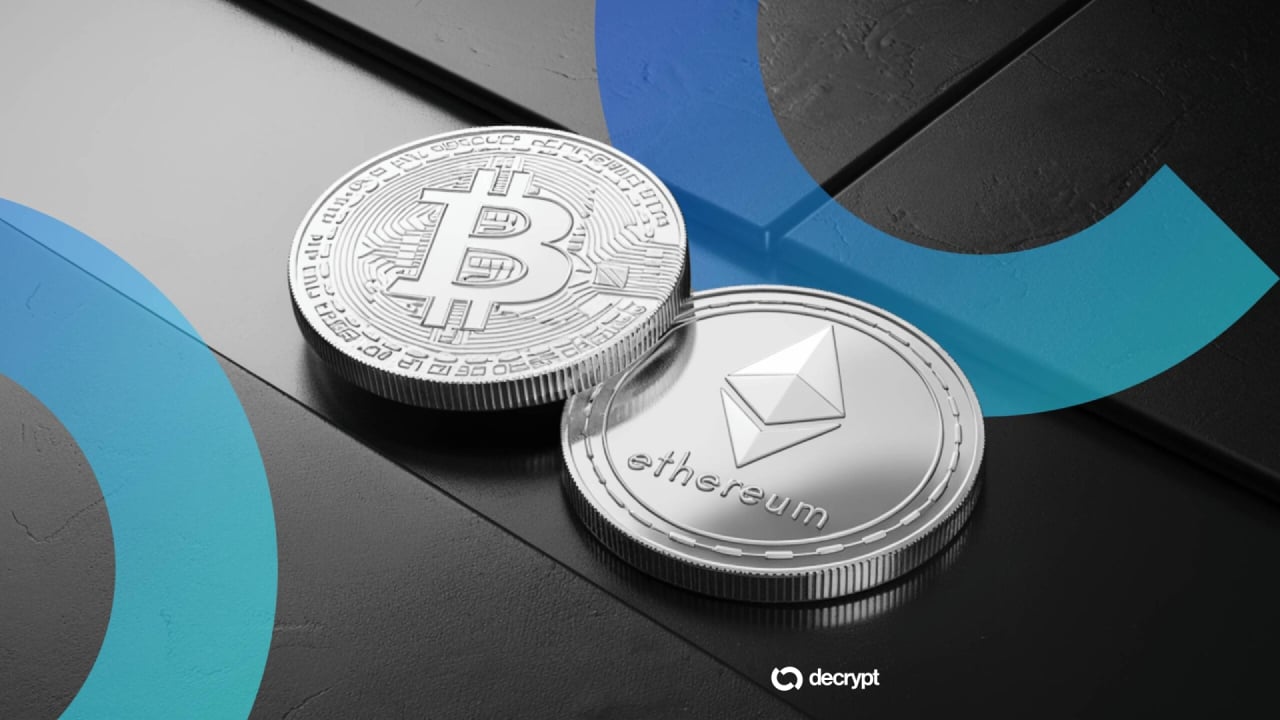
The Securities and Exchange Commission just gave the green light to a series of funds that would have been unthinkable a few years ago. We are talking about 3x leveraged exposure to Bitcoin and Ethereum. This means if the price of BTC moves up one percent, these funds move three percent. If the market drops, the pain is tripled. It is high-octane trading sanctioned by the highest regulatory body in the United States.
Specifically, the agency approved a rule change for Cboe BZX to list six new funds from Volatility Shares. These aren't just crypto funds; the approval covers a spread of commodities including gold, silver, oil, and natural gas. But the headlines are rightfully fixated on the crypto aspect. For the first time, institutional-grade triple leverage is hitting the spot-adjacent market for the two biggest assets in our space.
The Institutionalization of Risk
From a founder’s perspective, this is a bit of a double-edged sword. On one hand, it signifies a total normalization of crypto assets. The SEC is effectively saying that Bitcoin and Ethereum are now in the same category as crude oil and gold. They are commodities, they are liquid, and they are mature enough to handle derivative-style products. This is a massive leap from the days when the SEC was blocking even basic spot ETFs based on fears of manipulation.
On the other hand, this move highlights a shift in regulatory focus. For years, the industry begged for clarity on how to build decentralized applications without getting sued. Instead, we got 3x leveraged gambling tools. It seems the regulators are more comfortable with Wall Street selling volatility than they are with builders creating new utility. It is easier to regulate a ticker symbol than a smart contract.
What This Means for Market Mechanics
Leverage drives price action in crypto more than almost any other factor. When you introduce 3x leverage to the public markets, you are essentially inviting more dramatic liquidations. We have all seen the "long squeeze" or "short squeeze" charts where a slight move in price triggers a waterfall of forced selling. These new funds will likely add fuel to that fire.
For builders, this means the environment where your project lives is about to get even noisier. Price volatility affects developer sentiment, funding rounds, and user acquisition. When Bitcoin swings 10% in a day because of leveraged liquidations, the average user gets scared. They don't care about your new protocol's TPS; they care that their portfolio is bleeding. We have to be prepared for a market that looks more like a casino and less like a tech sector in the short term.
The Founder’s Reality Check
I have spent a lot of time talking to founders who are frustrated by the slow pace of real-world adoption. They see these SEC approvals and wonder why a leveraged fund gets the fast track while their innovative payment system is stuck in a legal gray area. The reality is that the SEC’s primary mandate is investor protection through disclosure—not innovation through permission.
By approving these funds, the SEC isn't saying Bitcoin is "good." They are saying the risks are now transparent enough that they can't stop people from betting on them. As a builder, you shouldn't view this as a signal to pivot toward DeFi gambling tools. Instead, see it as a sign that the underlying assets are now permanent fixtures of the global financial system. The infrastructure is hardening, even if the tools being built on top of it are currently focused on speculation.
Commodities vs. Securities: The Quiet Win
The most important detail in this approval isn't the leverage itself, but the classification. By grouping Bitcoin and Ethereum with gold, silver, and oil, the SEC is tacitly reinforcing the commodity narrative. This is a huge win for those building in the ecosystem. It makes it much harder for the agency to later claim that these core assets are unregistered securities.
If you are building a layer-2 or a dApp, this gives you a slightly firmer ground to stand on. If the base layer is treated as a commodity by the Cboe and the SEC for the purposes of 3x leverage, the regulatory moat around the core protocols is getting wider and deeper. We are moving away from the "will they ban it" phase into the "how do we tax and trade it" phase.
The Liquidity Trap
We should also talk about liquidity. These funds require the managers to buy and sell massive amounts of underlying contracts to maintain their leverage ratios. This creates a constant stream of buy and sell pressure that isn't based on fundamentals. It is based on a mathematical formula designed to track a daily return.
For those of us looking at the long-term health of the network, this is a distraction. Speculative liquidity is not the same as utility liquidity. We want people holding ETH to use it in gas fees and staking, not sitting in a Cboe-listed fund that triples daily moves. However, we have to play the hand we are dealt. Higher liquidity, even the speculative kind, generally leads to narrower spreads and better entry points for institutional players who *do* want to hold the underlying asset.
Final Thoughts for Builders
Don't get distracted by the 3x gains or the 3x losses that will inevitably dominate the Twitter feed once these funds start trading. Your job remains the same: build things people actually use when the volatility settles down. The SEC has signaled that the casino is open for business, but the real value in crypto has always been the decentralized compute and the permissionless transfer of value.
Take this as a sign that the "crypto is a scam" argument is officially dead at the regulatory level. You don't give 3x leverage to a scam. You give it to a commodity. Use that confidence to keep building, but keep your eyes open. The swings are going to get wilder, and your project’s treasury management needs to reflect that new reality.
The takeaway: The SEC is now fine with you losing your money three times faster, provided a regulated exchange handles the transaction. For builders, this confirms the commodity status of BTC and ETH, but warns of a more volatile, speculation-heavy market ahead.
Read the original at Decrypt →