The Saylor Checklist
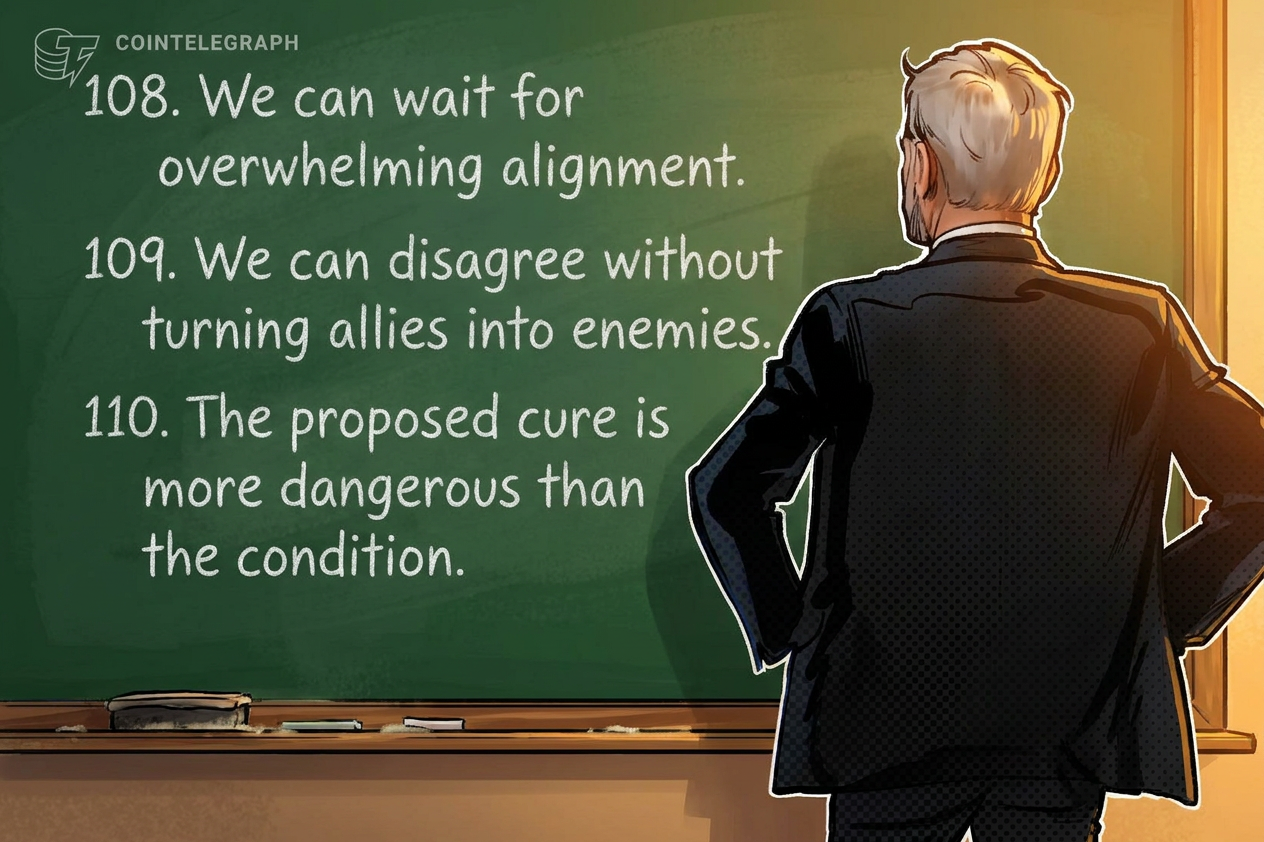
Michael Saylor is generally seen as the primary cheerleader for Bitcoin at the corporate level, but he is proving to be a disciplined gatekeeper when it comes to the protocol's code. Recently, he released a list of 110 reasons why he opposes BIP-110, a proposed improvement protocol that seeks to introduce specific technical changes to the network. While the developers behind the proposal claim it will enhance functionality, Saylor argues it introduces unnecessary complexity and risk to the world’s most secure collateral.
For those of us building in this space, this isn’t just a technical spat. It is a fundamental disagreement on what Bitcoin is supposed to be. Is it a flexible software platform that should evolve rapidly, or is it a digital fortress where the greatest feature is that nothing ever changes? Saylor is clearly leaning into the latter, and his exhaustive list of grievances serves as a warning to anyone trying to fix what might not be broken.
Stability over Subtlety
The core of the argument against BIP-110 centers on the idea of technical debt. When you are managing a treasury worth billions, or building an application that relies on the absolute predictability of a ledger, every new line of code is a potential attack vector. Saylor’s critique suggests that the benefits of the proposal do not outweigh the cost of the potential instability it could introduce.
In my experience as a founder, the hardest thing to do is say no to a feature. We all want our products to do more. But Bitcoin’s value isn’t in its feature set; it is in its consensus. If you fracture that consensus or introduce a bug that requires an emergency hard fork, the value proposition of the entire asset class evaporates. Saylor is essentially acting as a stress-tester for the community, forcing developers to defend their work against a worst-case scenario mindset.
What Builders Need to Hear
If you are building on Bitcoin or developing Layer 2 solutions, this pushback matters. It tells us that the threshold for changing Layer 1 is incredibly high. If a proposal as detailed as BIP-110 is getting shredded by the largest corporate holder of the asset, you should probably assume that the base layer is going to remain static for a long time. For builders, this means we should focus on building the complexity at the edges, not in the core.
- Keep it simple: The more logic you try to push into the protocol, the more resistance you will face from the stakeholders who move the market.
- Respect the status quo: Bitcoin’s lethargy is a feature, not a bug. It provides a reliable foundation.
- Layered approach: If you need advanced functionality, look toward Lightning, Liquid, or other secondary protocols rather than trying to modify the mother ship.
The Risk of the Temporary Fork
One of the most contentious aspects of the current discussion involves the idea of a temporary fork or a specific remedy for network congestion. Saylor is skeptical of these "quick fixes." His stance is that any temporary measure has a way of becoming permanent, or worse, creating a split in the community that confuses institutional investors. Institutional money likes certainty. 110 reasons to say no might seem like overkill to a developer, but to a CFO, it sounds like due diligence.
Why This Skepticism is Healthy
I’ve seen too many projects in the AI and crypto space chase the latest shiny object only to collapse because they didn’t have a solid foundation. While I sometimes find the maximalist tone a bit exhausting, the rigor with which Saylor is dissecting this proposal is actually good for the ecosystem. It forces the developers to simplify their arguments and prove that their changes are mathematically and economically sound.
We shouldn’t want a network where a few smart people can change the rules overnight. We should want a network that is incredibly hard to change. Saylor’s rejection of BIP-110 isn’t about being anti-progress; it’s about being pro-preservation. He shares the objectives of a better network, but he disagrees with the surgery being offered to get there.
The Final Takeaway
The lesson here for founders is clear: understand the incentives of your biggest stakeholders. If you’re trying to disrupt a system, you have to ensure that the disruption doesn’t destroy the very value you’re trying to build upon. Bitcoin is the world’s first truly institutional-grade digital asset, and as long as people like Saylor are watching the gate, the bar for entry for new code will remain sky-high. Use this as a guide for your own development—build around the fortress, don’t try to move the walls.
Read the original at Cointelegraph →