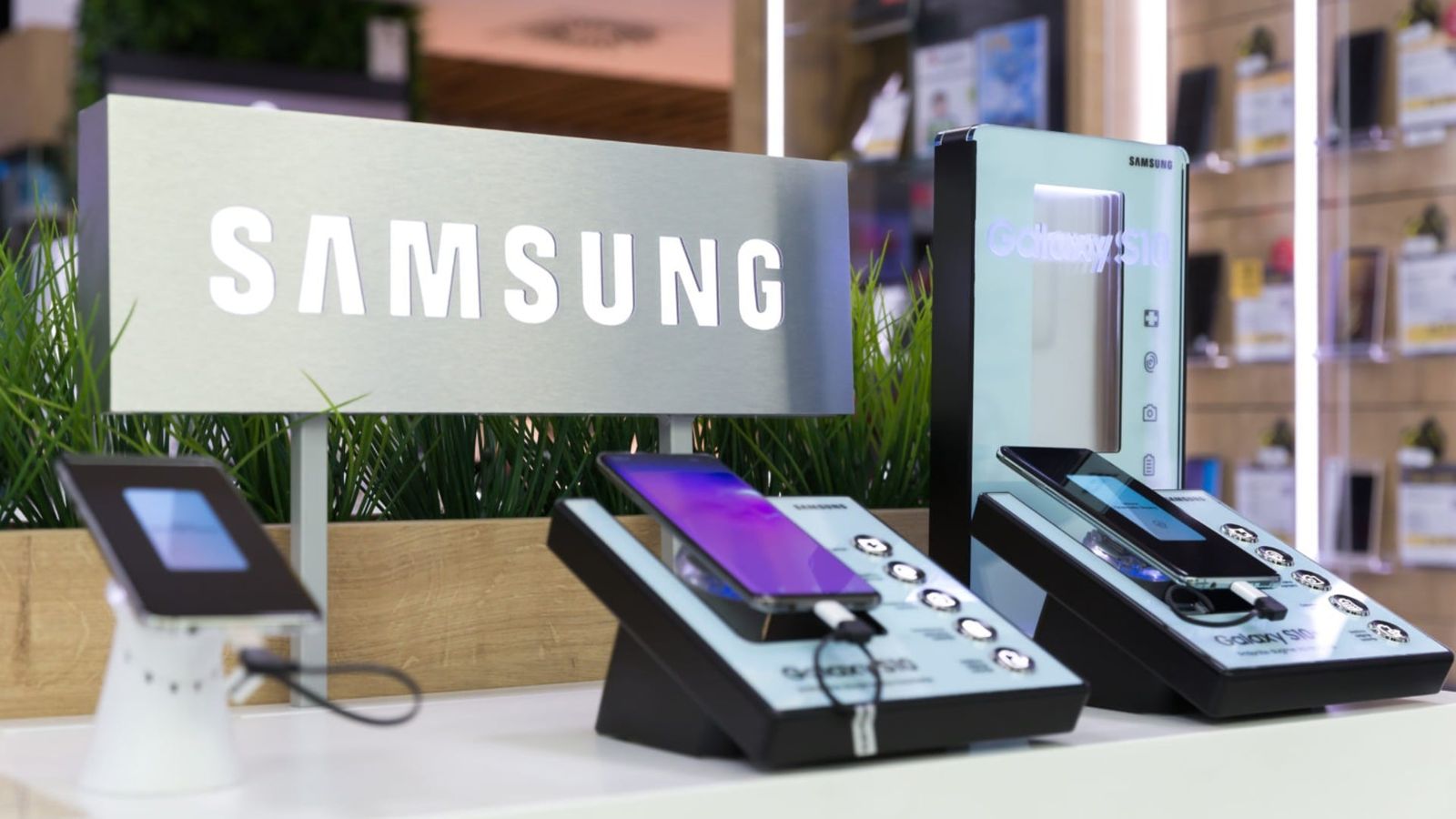
Samsung is finally making a move that looks less like a tech demo and more like a distribution strategy. By integrating USDC transfers on the Solana network directly into the Samsung Wallet for U.S. Galaxy users, they are attacking the biggest friction point in the mobile crypto experience: the context switch.
For years, using crypto on a phone meant jumping between a banking app, an exchange, and a non-custodial wallet. It was a fragmented mess that only power users tolerated. Samsung is attempting to collapse that stack. By putting fiat on-ramps and off-ramps inside the native wallet app that millions of people already use for their credit cards and boarding passes, the barrier to entry just hit the floor.
The Distribution Advantage
As a builder, you have to look at distribution first. You can build the most elegant decentralized application in the world, but if your users have to go through a ten-step onboarding process, you've already lost. Samsung is leaning into its hardware advantage here. They aren't just building an app; they are building a feature of the operating system.
Choosing Solana for this rollout is a tactical decision that makes sense for the mass market. If you want people to treat digital dollars like actual cash, the transactions have to be near-instant and cost fractions of a penny. Ethereum is great for high-value settlement, but nobody is going to pay $5 in gas to send $20 to a friend for lunch. Solana’s throughput allows for a user experience that actually rivals Venmo or Zelle, which is the real competition here.
Why USDC Matters More Than Bitcoin
We need to be honest about what the average person wants from blockchain technology. Most people don't want to gamble on volatile assets; they want their money to move faster and cheaper. By focusing on USDC, Samsung is targeting utility over speculation. This is about payments, remittances, and daily commerce.
For founders, this is a signal to stop building for the crypto-native bubble and start building for the "Galaxy user." That user doesn't care about consensus mechanisms or validator sets. They care that their phone can send dollars to another phone without a 3% fee or a three-day waiting period. Stablecoins are the Trojan horse for crypto adoption, and Samsung is handing the keys to millions of people.
The Friction of Native Integration
However, we shouldn't get blinded by the hype. Samsung’s approach is a walled garden by nature. While it uses the Solana network, the integration is tied to their ecosystem. This raises questions about true self-custody and the long-term trade-offs between convenience and decentralization. As a founder, you have to decide if you want to play within these corporate rails or keep pushing for pure peer-to-peer systems.
The reality is that most people will choose convenience every single time. If Samsung makes it so easy that a grandparent can hold USDC next to their digital gym membership, that is a massive net positive for the industry, even if it’s not the cypherpunk dream of the early days. It creates a massive new pool of liquidity and users that apps can eventually tap into.
What Builders Should Watch
If you are building in the Solana ecosystem, your addressable market just shifted. You should be asking how your dApp interacts with native mobile wallets. The era of the browser extension is fading. We are moving into an era of "invisible crypto," where the blockchain is just the plumbing beneath a familiar interface.
- Look at the fiat-to-crypto flow. If Samsung is handling the KYC and the on-ramp, the drop-off rate for new users will plummet.
- Consider the geographic constraints. This is starting with U.S. users, but the global implications for Samsung’s market share in Asia and Europe are where the real volume lies.
- Watch the regulatory response. A tech giant facilitating stablecoin movement at this scale will eventually draw scrutiny, and how Samsung navigates that will set the blueprint for Apple and Google.
The Skeptical Take
We’ve seen big tech flirt with crypto before. Remember when every phone was supposed to have a built-in hardware wallet? Many of those initiatives quietly died when the bear market hit. The difference this time is the focus on a specific, high-speed network and a specific, regulated dollar-peg. This isn't a "blockchain phone" gimmick; it's a payment feature update.
The risk for builders is over-reliance on these platforms. If you build your entire business model around a specific hardware integration, you are at the mercy of Samsung’s terms of service. We’ve seen how the App Store treat developers. There is no reason to believe a mobile wallet will be any different once it gains significant market share.
The goal for any founder should be to use these massive distribution channels to acquire users, but ensure your protocol remains permissionless so you can't be de-platformed later.
Samsung is providing the bridge. It is up to us to build something on the other side that is actually worth using. The novelty of "sending money on a phone" wore off a decade ago. The real value will come from what people can do with that USDC once it’s sitting in their Samsung Wallet—whether that’s earning yield, participating in decentralized commerce, or accessing services that traditional banks won't touch.
Final Thoughts for Founders
Don't wait for the perfect decentralized mobile OS. It's not coming anytime soon. Instead, build for the platforms people already have in their pockets. Samsung is giving you a massive head start by educating the public on how to hold and move digital dollars. Your job is to build the utility that makes them want to keep those dollars on-chain instead of moving them back to a traditional bank account.
This move confirms that the future of crypto is mobile, and it’s likely going to be led by stablecoins on high-performance chains. It’s not flashy, it’s not a new token launch, and it’s not a revolutionary new whitepaper. It’s just better plumbing. And sometimes, better plumbing is exactly what an industry needs to finally scale.
Read the original at The Block →