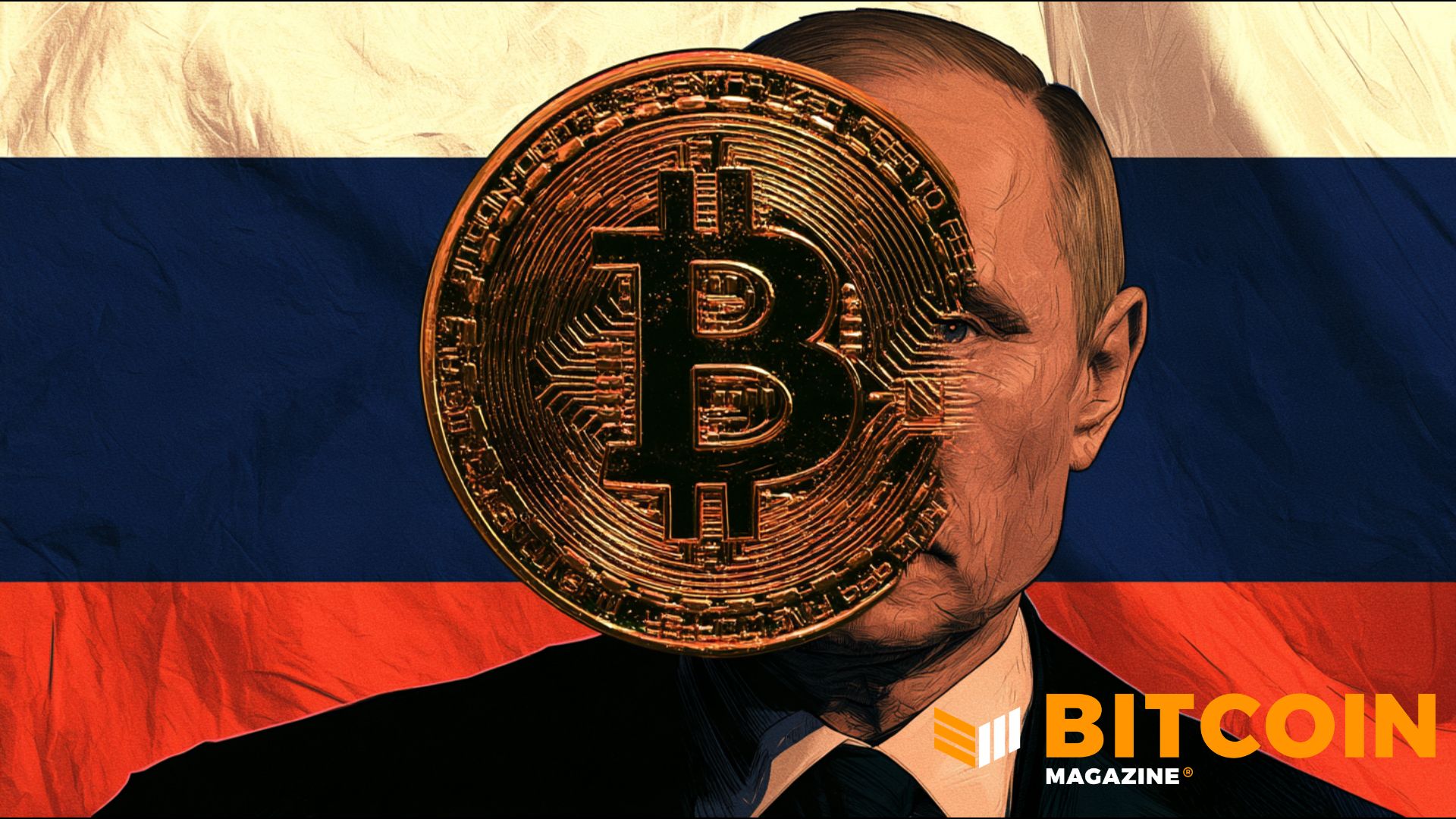
When the largest bank in Russia gets the green light to hold Bitcoin, the industry tends to react with a mix of excitement and deep-seated skepticism. It is a natural reaction. Sberbank, a massive institution with deep ties to the Russian state, has officially received approval from the Bank of Russia to provide custody services for digital assets. For years, the Russian central bank was the primary roadblock to crypto adoption in the country, often calling for outright bans. Now, the tone has shifted significantly.
This is not just about a bank adding a new feature to its mobile app. It is a signal of a broader geopolitical shift where digital assets are being reclassified from financial nuisances to strategic necessities. For those of us building in the space, this move by Sberbank is a case study in how regulatory walls crumble when economic pressure meets technological inevitability.
The Pivot from Prohibition to Participation
For a long time, the narrative out of Moscow was clear: Bitcoin was a threat to monetary sovereignty. The Central Bank of Russia was notorious for its hardline stance, frequently clashing with the Ministry of Finance over how to handle the rise of decentralized ledger technology. But reality has a way of forcing a change in perspective. Between international sanctions and the need for alternative settlement rails, the Russian government has clearly decided that controlled adoption is better than a futile attempt at exclusion.
Sberbank is now authorized for what the Bank of Russia calls digital currency record-keeping. In plain English, they can now hold your private keys—or at least the institutional version of them—and facilitate the transfer of these assets. They are starting with Bitcoin, but the framework is there for other major digital currencies to follow. This is the first time a major Russian financial institution has been given this level of explicit clearance.
What This Means for the Global Custody Race
We often talk about the institutionalization of crypto in the West, focusing on BlackRock, Fidelity, and BNY Mellon. However, the entry of Sberbank introduces a different dynamic. This is a bank with over 100 million retail customers. When a state-aligned entity of this size enters the market, it validates the asset class to a demographic that might have been terrified of it just twelve months ago.
For builders, this highlights a growing divergence in the custody market. We are seeing the rise of two distinct worlds: the regulated, institutional custody silos and the sovereign, self-custody movement. Sberbank represents the ultimate version of the former. While it provides a safe entry point for the average user who is afraid of losing their seed phrase, it also places those assets firmly within the reach of government oversight. This is the trade-off that will define the next five years of crypto growth.
The Founder’s Perspective: Utility vs. Control
As a founder, I look at this and see a double-edged sword. On one hand, Sberbank’s infrastructure will likely make it incredibly easy for millions of people to interact with Bitcoin. On the other hand, the centralized nature of this custody model is the antithesis of why Bitcoin was created in the first place. If you are building tools for this market, you have to decide which side of the fence you are on.
Are you building for the user who wants the safety of a bank-backed wallet, or are you building for the user who wants to escape the traditional banking system? Both markets are massive, but they require entirely different tech stacks and compliance frameworks. Sberbank’s entry into the space will likely accelerate the development of local liquidity pools and potentially new stablecoins pegged to the Ruble, further complicating the global regulatory map.
Navigating the Regulatory Domino Effect
The timing here is not a coincidence. We are seeing a global trend where central banks are realizing they can no longer ignore the demand for digital assets. By allowing Sberbank to lead the way, the Bank of Russia is essentially creating a sandbox where they can monitor activity without losing control of the financial flow. This is a pattern we should expect to see repeated in other jurisdictions that have historically been hostile to crypto.
For developers, this means that compliance is no longer a localized issue. If you are building a decentralized protocol, you have to account for the fact that a significant portion of your users might eventually be interacting with your smart contracts through a bank-issued interface. The bridge between legacy finance and the new stack is being built by the very institutions that many hoped to disrupt.
The Practical Takeaway for Builders
If you are waiting for a clear, global regulatory consensus before you start building, you are going to be waiting forever. The Sberbank news shows that even the most conservative and restrictive environments are capable of rapid pivots when the incentives align. The lesson here is that utility eventually beats ideology.
- Adaptability is key: The regulatory landscape can change in a week. Build your infrastructure to be modular enough to handle shifting compliance requirements.
- Custody is the gateway: Most users still want a middleman. Whether we like it or not, institutional custody is the bridge to mass adoption.
- Sovereignty remains the alternative: As banks move in, the value proposition of self-custody and privacy-preserving tools only grows for the core crypto audience.
We should be skeptical of any state-aligned bank entering the crypto space, but we should also recognize it as a massive milestone for the asset class. Bitcoin is becoming too big to ban, even for the most powerful central banks. Sberbank is just the latest domino to fall in a sequence that is making digital assets a permanent fixture of the global financial system.
The move by Sberbank isn't an endorsement of decentralization; it's an admission that the old financial rails are no longer sufficient.
For those of us on the ground, the goal remains the same: keep building the tools that give people choices. Whether they choose a bank like Sberbank or a hardware wallet is up to them, but the fact that they now have the choice is a win for the technology, regardless of the politics behind it.
Read the original at Bitcoin Magazine →