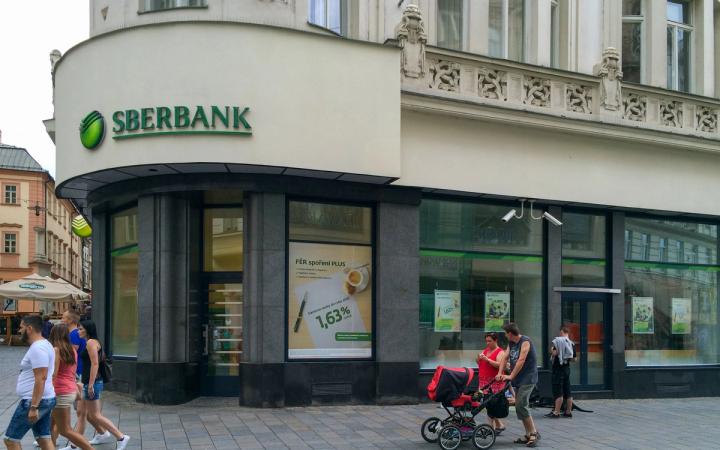
The Elephant Enters the Room
For years, the narrative around Russia and crypto was a back-and-forth game of regulatory ping-pong. One week the central bank wanted a total ban; the next, the finance ministry suggested using it for oil deals. That era of indecision is officially over. Sberbank, the largest lender in Russia and a massive state-controlled institution, has secured the green light to roll out crypto trading to its entire customer base starting December 1.
This isn't a small fintech startup trying to find a niche. We are talking about a bank that holds the majority of the country's retail deposits. When a player this size moves, it changes the gravity of the entire ecosystem. They are already testing trades for Bitcoin, Ethereum, and USDT within their app. This is the ultimate stress test for institutional crypto adoption in a highly restricted economic environment.
The Pragmatic Pivot
Let's be honest about why this is happening. This isn't about the "ideals of decentralization" or the "philosophy of sovereign money." This is a pragmatic pivot born out of necessity. With traditional international payment rails like SWIFT largely cut off, the Russian state has realized that crypto is no longer a hobby for cypherpunks—it is a critical tool for national economic survival.
By bringing crypto trading inside the walls of Sberbank, the government achieves two things: they provide a pressure valve for capital flow, and they keep a very close eye on where that money goes. If you are a builder in this space, you have to recognize the irony. The very technology built to bypass centralized intermediaries is being used by the world's most centralized entities to bypass other centralized entities. It is a hall of mirrors, but for the markets, it means a massive influx of liquidity and users.
What This Means for the Builders
If you are building in DeFi or cross-border payment infrastructure, this move is a signal. It validates the utility of stablecoins like USDT as a global settlement layer. When a massive state bank prioritizes USDT alongside Bitcoin and Ethereum, they are admitting that the US dollar—or at least a digital representation of it—remains the king of commerce, even when you are trying to exit the traditional dollar system.
For founders, this is the time to look at bridge infrastructure. How do these massive, walled-garden banking apps interact with the broader decentralized web? Sberbank will likely try to keep their users in a closed loop, but liquidity always finds a way out. We should expect to see a surge in demand for non-custodial tools from users who start their journey on Sberbank but eventually want true ownership of their assets.
The Risks of Centralized Adoption
I’ve always been a bit skeptical of the "institutional adoption" cheerleading. When a bank like Sberbank enters the fray, they bring their rules with them. This isn't the Wild West anymore; it's a regulated courtyard. Users will be subjected to intense KYC and AML protocols. The privacy that many early crypto adopters value will be non-existent here. For the average retail user in Russia, this might be a fair trade for convenience, but for the broader industry, it creates a bifurcation of the market: "Clean" bank-verified crypto versus the open, permissionless stuff.
Builders need to decide which side of that fence they are building on. There is a lot of money to be made building tools for these compliant institutional funnels, but the real innovation—and the real risk—still lies in the permissionless layers. Sberbank’s entry will likely trigger similar moves from other national banks in emerging markets or countries under similar economic pressures. We are moving toward a world of state-sponsored crypto portals.
The Reality Check
We shouldn't mistake this for a sudden love of crypto. This is a survival tactic. The fact that they are focusing on Bitcoin, Ethereum, and USDT tells us they are interested in liquidity and stability, not the latest meme coin or experimental L2. They want assets that can move value across borders without being blocked by a New York correspondent bank.
For the crypto market at large, this adds a significant new source of demand. When you open the taps for millions of retail users, even a small allocation per person adds up to billions in buy pressure. However, it also makes the market more sensitive to geopolitical shifts. If the political winds change, these state-run taps can be turned off just as quickly as they were turned on.
The Takeaway for Founders
Don't get distracted by the headlines about "mass adoption." Focus on the plumbing. Sberbank is building the front end for a massive new user base, but the underlying need for secure, scalable, and decentralized settlement remains. The builders who win in this next phase will be the ones who can bridge the gap between these new institutional on-ramps and the true utility of decentralized finance.
- Infrastructure is priority: Watch how Sberbank handles custody. If they succeed, other regional powers will copy their blueprint.
- Stablecoin dominance: The inclusion of USDT proves that dollar-pegged assets are the primary bridge for global trade, regardless of the political climate.
- Bifurcated Markets: Prepare for a world where crypto is split between "Institutional Grade" and "Sovereign Grade."
The entry of Sberbank isn't a victory for the cypherpunks, but it is a massive validation of the technology's utility. Crypto has graduated from an experiment to a national strategic asset. As a founder, you need to be ready for the scale that follows.
Read the original at CoinDesk →