The Supply Shock Nobody Expected
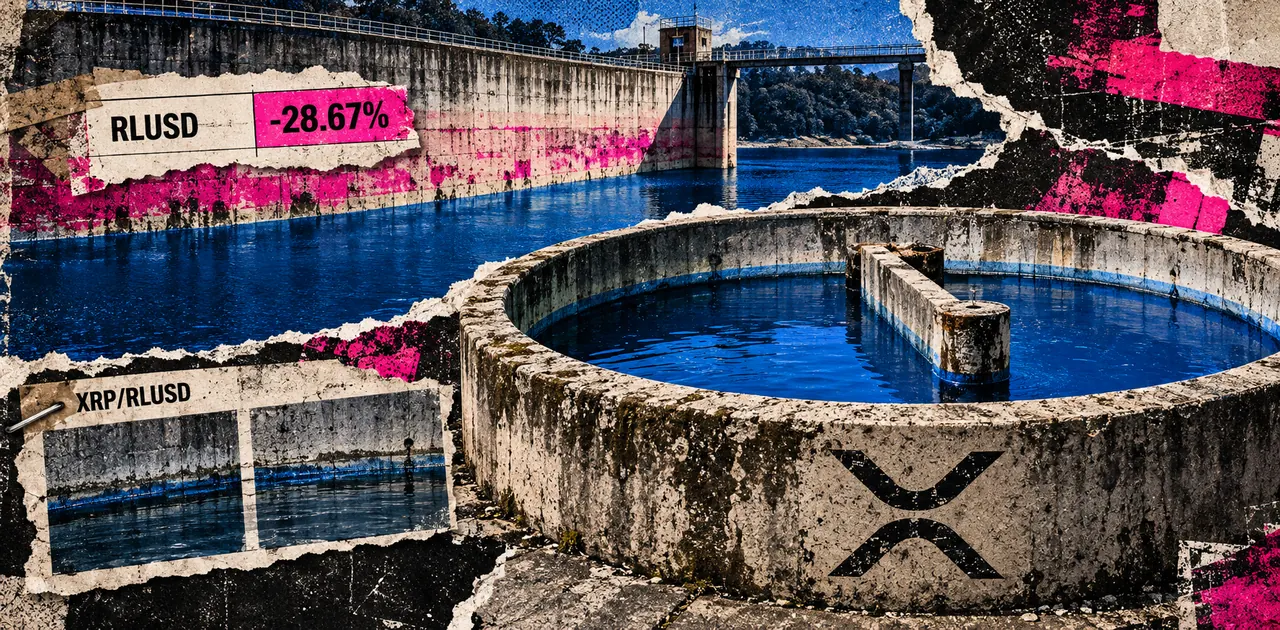
Ripple has been positioning its USD-pegged stablecoin, RLUSD, as the professional alternative for institutional finance. But recent movements on the XRP Ledger suggest that even with deep pockets and legacy partnerships, the road to liquidity is rarely a straight line. Data indicates a 29% drop in RLUSD supply on the XRPL, a sharp contraction for a token that is supposed to be the bedrock of Ripple’s new ecosystem.
For builders watching from the sidelines, this isn't just a number on a chart. It’s a case study in how supply management works—or fails—during the testing phases of a new asset. When a supply drops by nearly a third, it usually points to one of two things: a strategic burn to rebalance the books, or a lack of demand that forced a pullback. In this case, the lack of clarity from official channels makes the situation even more interesting for those of us trying to build sustainable products on-chain.
The Liquidity Disconnect
What caught my eye wasn't just the supply drop, but the behavior of the trading pools. Despite a massive reduction in the overall supply of RLUSD, the primary XRP/RLUSD trading pool reserves remained relatively static. This creates a strange paradox. If the supply is shrinking but the main trading pool isn't reflecting that change, where was that 29% sitting? Likely, it was held in treasury or bridge accounts rather than being active in the hands of users or market makers.
This is a common trap for new tokens. We see high "paper" supply numbers that give the illusion of scale, but the actual circulating liquidity—the stuff you can actually trade against without massive slippage—is much smaller. For developers, this is a reminder that total supply is a vanity metric. What matters is the depth of the pools and the consistency of the order books.
Uneven Offers and Market Fragility
Ledger readings also showed a series of unevenly funded offers. In plain English, the buy and sell orders weren't lining up in a way that suggests a healthy, mature market. When you see lopsided order books on a stablecoin pair, it usually means the market makers are nervous or the incentives aren't aligned. For a stablecoin, this is the kiss of death. The whole point of an asset like RLUSD is to stay at a dollar and provide a predictable exit ramp for volatile assets like XRP.
If a builder tries to integrate a stablecoin that has these kinds of supply fluctuations and uneven liquidity, they risk their users getting hit with bad fills. We have seen this play out with smaller algorithmic stables, but seeing these hiccups in a regulated, fiat-backed project like Ripple's is a wake-up call. It proves that regulatory compliance and backing don't automatically solve the problem of market mechanics.
The Founder's Perspective on Stablecoin Competition
We have to look at the broader context. RLUSD isn't launching in a vacuum. It’s competing against USDC and USDT, two giants that have already solved the liquidity problem. For Ripple to win, or even survive, RLUSD needs to be more than just "XRP's version of a dollar." It needs to be useful for DeFi, payments, and cross-border settlement in a way that the incumbents aren't.
A 29% supply drop suggests that the initial rollout might be hitting some friction. Perhaps the institutional demand isn't as immediate as the marketing suggested, or perhaps the technical hurdles of moving value across the XRPL are still present. As founders, we often overestimate how quickly users will switch to a new tool just because it’s "native" to the ecosystem they already use. Convenience usually loses to liquidity.
What This Means for the XRPL Ecosystem
The XRP Ledger has always been a bit of an outlier in the builder world. It’s fast and cheap, but it hasn't historically had the vibrant DeFi scene you see on Ethereum or Solana. RLUSD was supposed to be the catalyst for that growth. If the supply is retracting before the project even reaches full steam, builders need to be cautious about over-committing to RLUSD-only integrations.
"True liquidity isn't found in a whitepaper or a press release; it's found in the resilience of the order books when the supply shifts."
If you are building a gateway or a decentralized exchange on the XRPL, keep a close eye on these treasury movements. A sudden contraction in supply can lead to increased volatility in the underlying pools, making it harder for your users to swap assets without losing money. Stability is a feature that must be earned through consistent market performance, not just declared by a corporate entity.
The Takeaway for Builders
The lesson here is simple: watch the pools, not the headlines. A 29% drop in supply is a significant signal that the market is still finding its equilibrium. For those of us building the next generation of financial tools, we need to prioritize assets that demonstrate consistent, organic growth rather than those that rely on centralized supply management to stay afloat.
If Ripple can stabilize the RLUSD supply and deepen those trading pools, it will be a powerful tool. But until the order books look as solid as the marketing materials, it’s worth maintaining a healthy level of skepticism. Don't build your house on a foundation that can shrink by a third overnight without a clear explanation.
Read the original at CryptoSlate →