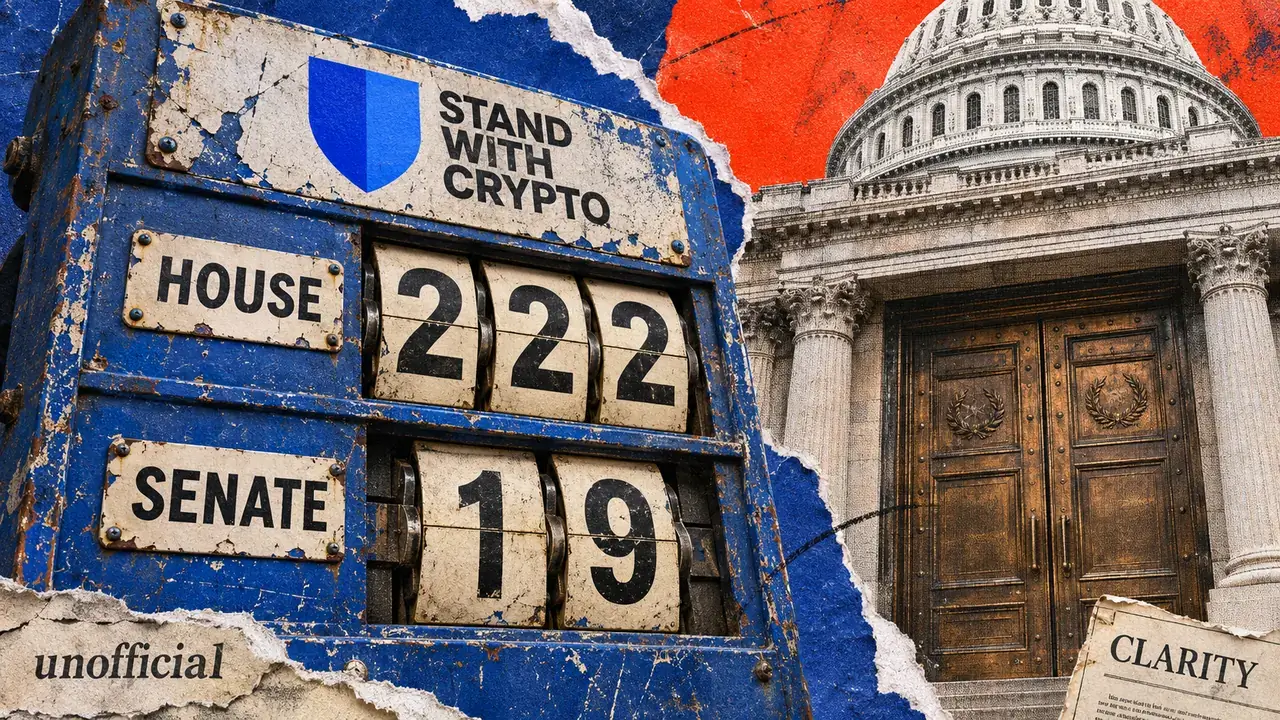
We just witnessed one of the most aggressive shifts in political alignment for the digital asset space in U.S. history. According to the latest counts, over 240 pro-crypto candidates secured seats in Congress. On paper, this looks like a landslide victory for the industry. For those of us building in the trenches, it feels like the regulatory shadow that has hovered over our desks for four years might finally be lifting. But I have been in this game long enough to know that a seat in the House is not the same thing as a signature on a bill.
The Weight of the Win
The numbers are hard to ignore. We are looking at a composition where the majority of incoming representatives have either received backing from industry PACs or have publicly signaled their support for blockchain innovation. This is a far cry from the environment of 2021, where the industry was largely seen as a nuisance or a vehicle for fraud by those on Capitol Hill.
For a founder, this change matters because it alters the risk profile of domestic operations. The threat of 'regulation by enforcement'—where the SEC shows up at your door before they even explain the rules—might finally be replaced by actual legislative frameworks. If these 241 members follow through, we could see the passage of clear definitions for what constitutes a security versus a commodity. That is the holy grail for anyone trying to build a decentralized protocol without a legal team on retainer.
The Lobbying Engine
This didn't happen by accident. The industry poured hundreds of millions into this election cycle. We saw a coordinated effort to ensure that candidates who were hostile to decentralized finance were replaced or out-funded. It was a raw display of financial power, proving that crypto is no longer a niche interest group; it is a heavyweight political bloc.
However, as a builder, you have to ask what this money actually bought. Does it buy a representative who understands how a liquidity pool works, or does it just buy a 'yes' vote on a specific committee? History tells us that many politicians are pro-crypto until they have to deal with the complexities of anti-money laundering laws or tax reporting requirements. The support we see now is broad, but it is also shallow. Most of these new members couldn't explain the difference between a Layer 2 and a spreadsheet, which means the heavy lifting of education still falls on our shoulders.
Navigating the New Washington
The shift in power usually brings a honeymoon phase. We should expect a flurry of pro-innovation rhetoric in the coming months. We will likely see bills like the FIT21 act get a second life, and there will be talk about making the U.S. the global hub for digital assets. For founders, this is the time to be vocal. The window for influence is open, but it won't stay open forever.
My skepticism comes from watching how Washington treats tech. They love the tax revenue and the job creation, but they hate the loss of control. Even a 'pro-crypto' Congress will face pressure from the Treasury and traditional banking sectors to keep a tight leash on stablecoins and self-custody. The real test isn't whether they can win an election, but whether they can stand up to the surveillance state mentality that has dominated D.C. for decades.
What Builders Should Do Now
- Stay Focused on Utility: Don't assume the legal battle is over. Build products that have clear, undeniable value so that when the inevitable 'regulatory compromise' happens, your project is too useful to be shut down.
- Engage Locally: These 241 seats are spread across the country. If your representative is on that list, reach out. They need to hear from real founders, not just lobbyists in expensive suits.
- Watch the Committees: The names on the seats matter less than the chairs of the House Financial Services and Senate Banking committees. That is where the real power lies.
The Long Game
We are entering a new era, but it is not the end of the struggle. A pro-crypto Congress is a tool, not a solution. It provides the breathing room we need to scale, but the responsibility of building a resilient, decentralized future still rests with the developers and founders. The political landscape is finally catching up to the technology, but politics is fickle. Today's ally can become tomorrow's obstacle the moment a major exchange fails or a high-profile hack hits the headlines.
The takeaway here is simple: celebrate the wins, but keep your head down and keep shipping. The best way to ensure this new Congress stays pro-crypto is to prove that the technology is indispensable to the American economy. We have the seats; now we need the results.
Read the original at CryptoSlate →